In today’s fast-paced world, finding time to go to the gym can be a challenge. Between work, family responsibilities, and daily commitments, it’s easy to skip workouts altogether. That’s why more people are turning to home workouts as a practical and effective solution. Building a home gym doesn’t have to be expensive or complicated—in fact, with the right approach, you can create a powerful workout space without breaking the bank.
The idea of setting up a home gym often brings images of large machines and expensive equipment. However, the truth is that you don’t need a fully equipped commercial setup to achieve your fitness goals. What matters most is choosing the right equipment, staying consistent, and creating an environment that motivates you to work out regularly.
The first step in building a home gym is understanding your fitness goals. Are you aiming to build muscle, lose weight, improve endurance, or simply stay active? Your goals will determine the type of equipment you need. For example, if your focus is strength training, investing in free weights like dumbbells is a smart choice.
If you’re planning to upgrade your setup, a good starting point is to buy dumbbells online from a reliable source. This not only gives you access to a wide range of options but also helps you compare quality and pricing before making a decision.
One of the biggest advantages of a home gym is flexibility. You can work out whenever it suits you, without worrying about gym hours or crowded spaces. This convenience often leads to better consistency, which is the key to long-term fitness success. Even short workouts can be highly effective when done regularly.
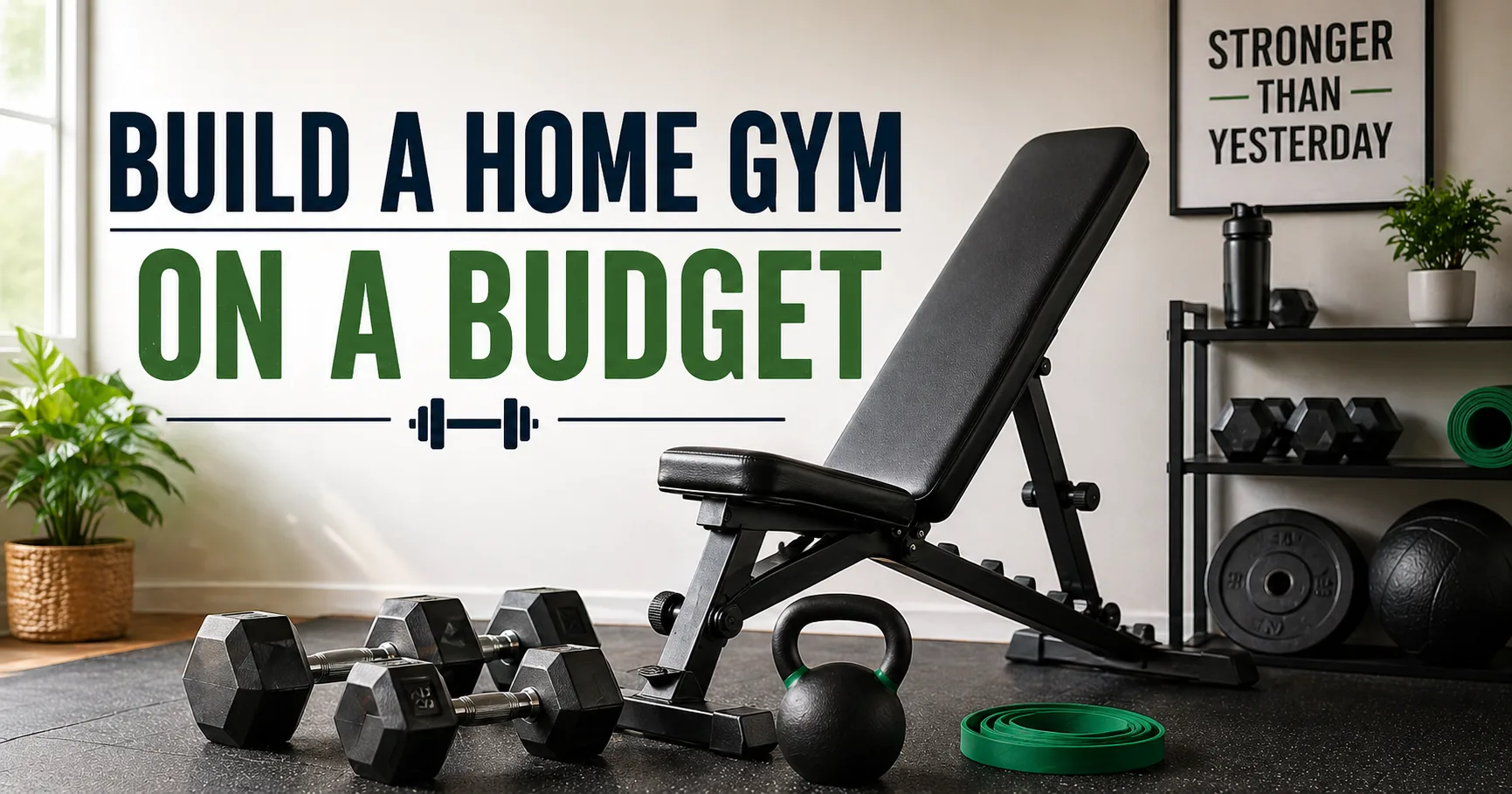
When it comes to equipment, it’s best to start with the basics. Dumbbells are one of the most versatile tools you can own. They allow you to perform a wide range of exercises targeting different muscle groups. From bicep curls and shoulder presses to squats and lunges, a single set of dumbbells can support a full-body workout routine.
An adjustable bench is another valuable addition. It enhances your workouts by allowing you to perform exercises at different angles, improving both effectiveness and safety. Combined with dumbbells, it opens up countless training possibilities without requiring much space.
Resistance bands are also worth considering, especially for beginners. They are affordable, portable, and easy to use. Bands can be used for strength training, stretching, and rehabilitation exercises, making them a great all-in-one solution for home workouts.
Space is often a concern for people setting up a home gym. The good news is that you don’t need a large area. A small corner of your room can be enough, as long as it’s clean and organized. Choosing compact or multi-functional equipment can help you maximize your space while keeping everything accessible.
Budget is another important factor. Many people assume that building a home gym requires a large investment, but that’s not true. By focusing on essential equipment and avoiding unnecessary purchases, you can create an effective setup at a reasonable cost. It’s better to start small and upgrade gradually rather than buying everything at once and not using it.
Another important aspect of a successful home gym is the environment. A well-lit, ventilated, and clutter-free space can make your workouts more enjoyable. Adding a mirror can help you maintain proper form, while playing your favorite music can boost your motivation.
As you become more consistent with your workouts, you may want to expand your setup. Cardio machines such as treadmills, rowing machines, or stationary bikes can add variety to your routine and help improve endurance. However, it’s important to invest in these only when you’re sure you’ll use them regularly.
One of the biggest challenges of working out at home is staying motivated. Without the social environment of a gym, it’s easy to lose focus. To overcome this, set clear goals and track your progress. Whether it’s increasing the number of reps, lifting heavier weights, or simply working out more frequently, seeing progress can keep you motivated.
Creating a workout schedule is also crucial. Treat your workout time as a non-negotiable part of your day. Even 20–30 minutes of focused exercise can make a significant difference when done consistently. Over time, this routine becomes a habit, making it easier to stay committed.
Another effective strategy is to keep your workouts interesting. Doing the same routine every day can become boring, which may lead to burnout. Mix different types of exercises, try new routines, and challenge yourself regularly. This not only keeps you engaged but also helps improve overall fitness.
Safety should never be overlooked. Always use proper form and start with weights that match your fitness level. If you’re unsure about certain exercises, consider watching instructional videos or consulting a fitness professional. Avoid pushing yourself too hard in the beginning, as this can lead to injuries and setbacks.
One of the greatest benefits of a home gym is privacy. You can work out without feeling self-conscious, experiment with new exercises, and focus entirely on your goals. This makes it an ideal option for beginners who may feel intimidated in a commercial gym setting.
In conclusion, building a home gym is one of the best investments you can make for your health and well-being. It offers convenience, flexibility, and long-term value. By starting with essential equipment, managing your budget wisely, and staying consistent, you can create a workout space that supports your fitness journey for years to come.
Remember, the goal is not to create a perfect gym—it’s to create a space that you will actually use. Start small, stay committed, and enjoy the process of becoming stronger and healthier every day.