Food is more than just nourishment—it is a living expression of heritage, identity, and memory. Across generations, families and communities have relied on food to celebrate milestones, tell stories, and preserve traditions. In every bite, there is a history that reflects migration, adaptation, and resilience. Cultural food connects us to our roots while offering a bridge to new communities eager to explore authentic flavors.
Food as a Story of Heritage
Every traditional dish carries a story. From the spices chosen to the cooking techniques passed down through centuries, recipes serve as cultural manuscripts. For example, rice dishes across Asia are not just staples—they symbolize unity and prosperity, often shared during festivals and family gatherings. In Latin America, corn plays a similar role, forming the backbone of countless recipes that tie communities to ancestral farming practices. These foods remind us that cooking is both an art and an act of preservation.
The Role of Festivals and Celebrations
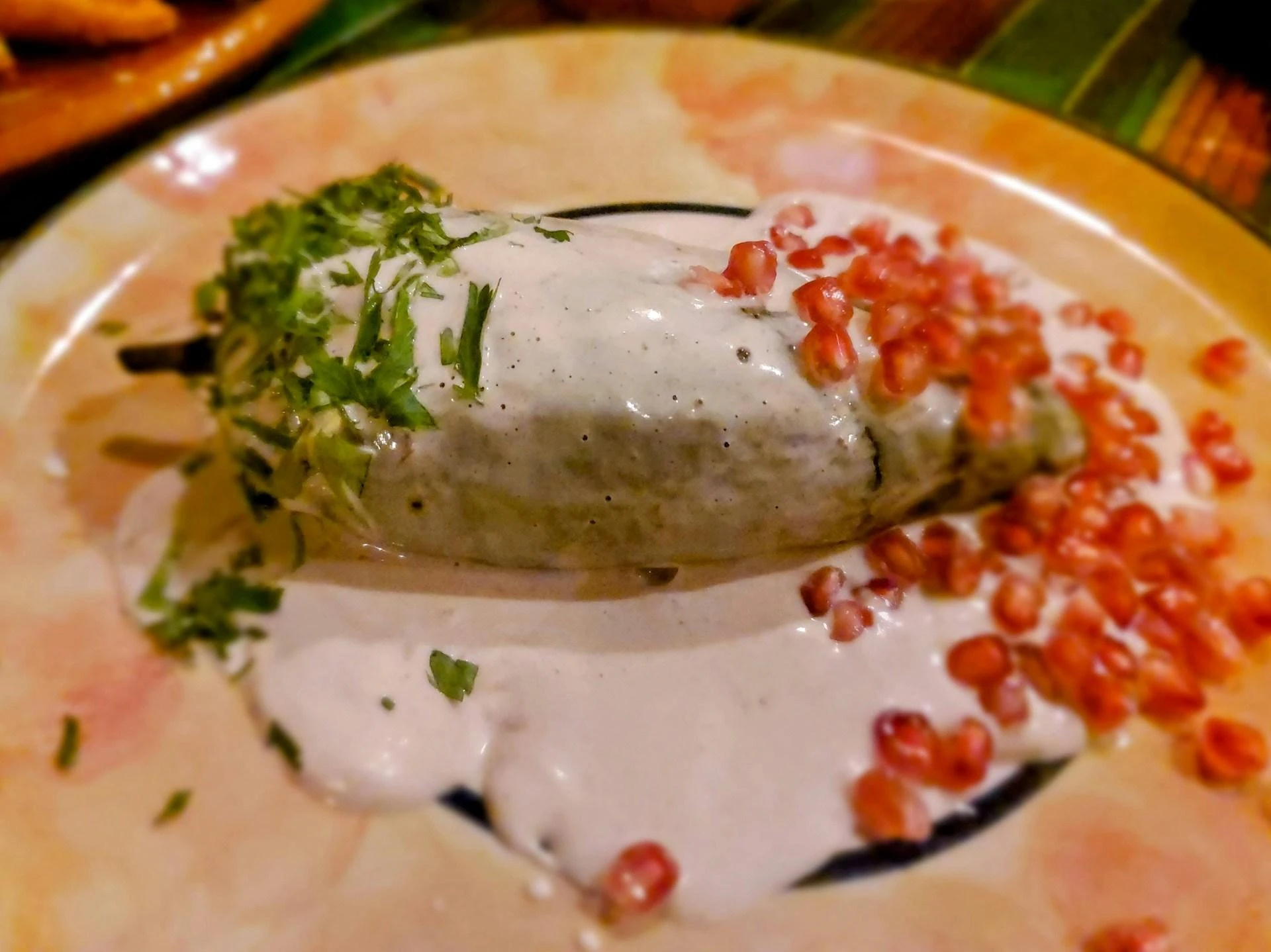
Cultural foods shine brightest during festivals and special occasions. These events highlight recipes that are often reserved for significant days—lavish feasts during Lunar New Year, hearty stews for winter holidays, or intricate sweets for religious celebrations. A perfect example is Chiles en Nogada, a traditional Mexican dish prepared during Independence season. With its colors of green poblano chili, white walnut sauce, and red pomegranate seeds, the dish mirrors the Mexican flag and embodies national pride. Its popularity has extended into the United States, where it continues to symbolize heritage and identity for many families (Chiles en Nogada – A Taste of Mexico’s Independence Season in the U.S.).
Fusion and Adaptation in a Global World
As people migrate and cultures intermingle, traditional recipes evolve. Fusion cuisine is a testament to how cultural food adapts while maintaining its essence. Consider how sushi has been reinterpreted around the world or how Mediterranean spices have found their way into modern vegan dishes. While purists may argue for authenticity, this blending creates opportunities for cultural exchange and understanding. Each adaptation reflects the story of a community adjusting to new surroundings without losing its identity.
Preserving Traditions in Modern Times
In today’s fast-paced world, it can be easy to lose touch with cultural food traditions. However, there is a growing movement toward preservation. Families are documenting recipes, communities are hosting cooking workshops, and restaurants are reviving forgotten flavors. Social media platforms have also become spaces for chefs and home cooks alike to showcase heritage dishes, making cultural foods accessible to wider audiences. The renewed interest in slow cooking, farm-to-table dining, and sustainable food practices all echo traditional wisdom that has existed for centuries.
Why Cultural Food Matters
Cultural food is more than what’s on the plate—it’s a reflection of identity, belonging, and continuity. Sharing a traditional meal with others becomes an invitation to understand and respect a different heritage. In an era where cultural diversity is celebrated, food plays an essential role in bridging gaps and creating connections. By cooking, tasting, and preserving these recipes, we ensure that stories of our ancestors continue to thrive in modern kitchens.