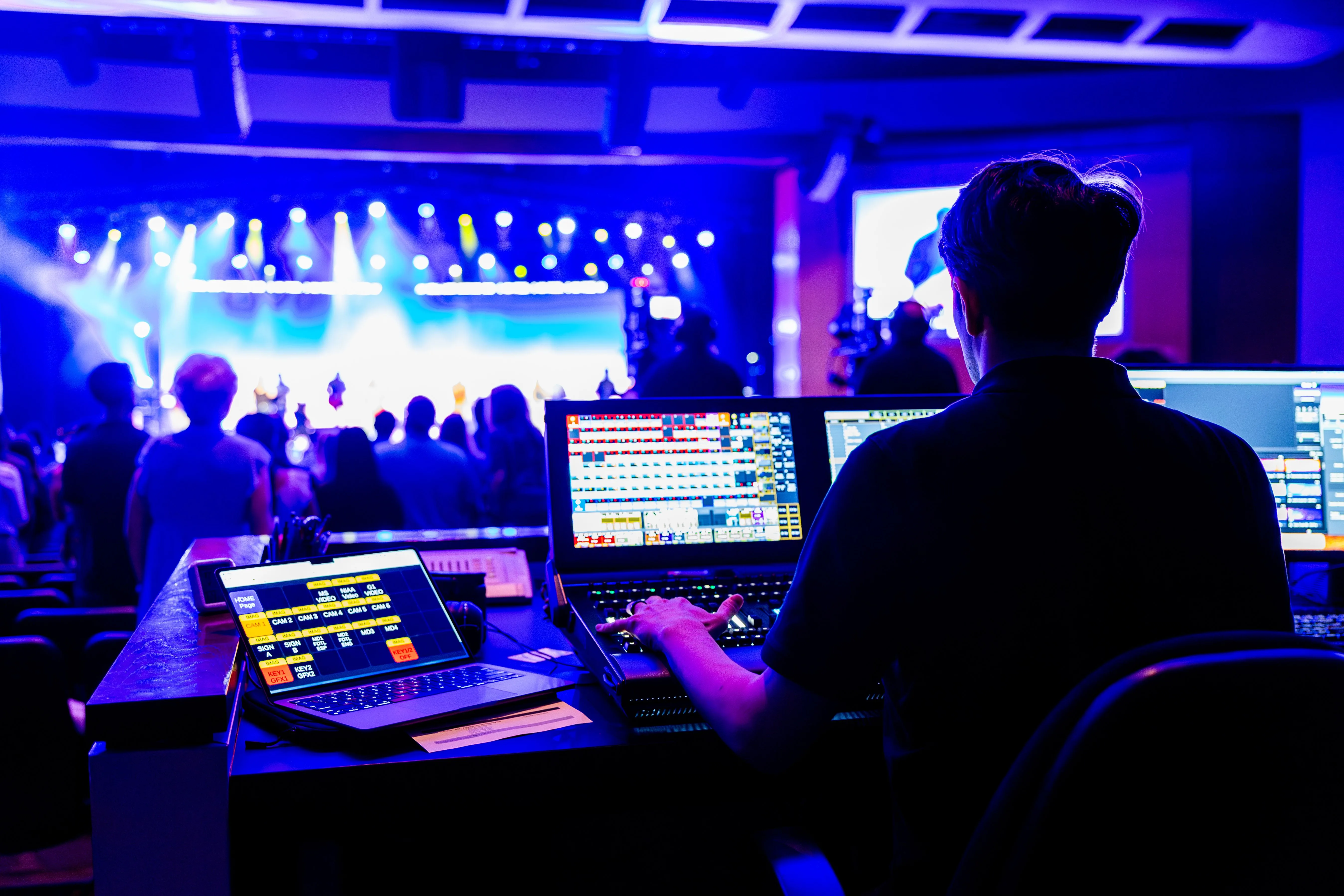
An event will not only depend on the venue and well-organized schedule, but the sound should reach all the guests. Also, the visual images should be seen properly by everyone, and the lights should meet the requirements of the event. Only then can the participants pay attention to the content rather than to the technique used.
That is why AV firms in Orlando are so important for corporate events, conferences, trade shows, product launches and live events. Proper technology will help to communicate effectively and handle crowds successfully.
How Professional Audio Visual Technology Shapes an Event
Each event requires distinct technological requirements. An industry conference would require multiple presentation monitors along with wireless microphones. An exhibition event may need to use video screens, booth lighting, and a good sound system. A live performance may require the use of stage lighting, video screening, and sound management.
In my opinion, the right way of doing things is to pick up technologies depending upon the requirement of the event.
The typical setup for a professional Audio/Visual production includes:
- Audio systems: Speakers, microphones, mixing desks, and sound processing are designed to ensure speech clarity and balance of music.
- Video systems: LED walls, projectors, monitors, and video switchers are designed to enable audiences to follow the presentation and visual media.
- Lighting systems: Stage lighting, spotlights, and LED light systems are designed to ensure presenters’ visibility and the required atmosphere of the event.
- Staging and rigging: Correct staging and supporting equipment are crucial for organizing an efficient space for the production.
Streaming technology: Cameras, encoders, and streaming platforms are necessary for remote viewing of presentations and live streams.
The coordinated planning of all these systems allows the production team to better organize the event and avoid unnecessary problems.
Why Sound Quality Matters at Large Events
Audience members will immediately become aware of poor sound quality. Feedback from microphones and unclear speeches can take people’s attention away from your presentations.
When working on big events, the following factors need to be considered: room dimensions, ceiling height, seating position, presence of noise and the amount of attendees. Consistent sound coverage should be provided without making listeners next to speakers feel uncomfortable.
Audio visual production can involve use of wireless microphones, digital mixers, speaker clusters, monitor systems and sound checks prior to guests arrival.
My suggestion is to check every single microphone and source of playback before the event starts. Speakers should be tested from various seats, and not only from the control booth.
LED Walls and Video Systems Improve Communication
Video technology is particularly crucial when the gathering involves hundreds or thousands of people. Small monitors might be suitable for a conference room, but for large conferences and trade shows, video wall monitors and projector screens are required because they remain visible from afar.
Video walls can show presentations, branded content, camera inputs, videos, and the schedule of the event. Video switchers enable production teams to seamlessly switch from one source to another without breaking the flow of the show.
In an event where there are many speakers, having a good video technology plan ensures smooth transitions. It also allows people far away from the venue to see the same thing that people closer to the stage are seeing.
When choosing the right monitor, I take into account viewing distance, monitor size, lighting of the room, resolution of the content, and the type of content to be displayed. The requirements for showing a presentation with small text differ from those of a live video.
Stage Lighting Creates Focus and Visibility
Lighting is not just about making a stage look beautiful. It is used to draw the audience's attention and to help the speakers become visible and keep time with the live show.
Business events require lighting that would provide presenters with a good look both on camera and off camera. Lighting of a product launch could be quite dynamic to introduce the new product. Award shows usually need special lighting for the presenter, award winner and the entrance on the stage.
A good event lighting arrangement will consist of LED lights, moving lights, spotlights, lighting console and scenes program. One should bear in mind that lighting should also be coordinated with the video cameras, as overexposure or improper colors settings might spoil video recording.
That is why it is important to plan lighting along with the stage, video equipment and camera placement.
Live Streaming Connects In Person and Remote Audiences
There are many cases where companies conduct events in which some attendees are physically present while others participate online. Hybrid conferences, trainings, and corporate announcements all require quality streaming solutions to facilitate participation of these audiences.
One possible equipment setup may consist of several cameras, audio signal from the main sound system, video switcher, presentation capturing and an Internet connection. Production team should ensure that remote attendees will be able to listen to speeches and see presentations without any problems.
I would also advise to test the whole streaming process prior to the event. This process includes camera angle, audio volume, presentation upload, Internet connection and viewing platform. It is better to have some backup plans for important connections in such a situation.
How to Choose Audio Visual Companies in Orlando
Selection of an AV partner is more complicated than just comparing equipment lists. The AV partner needs to have a full understanding of the event format, facility, crowd size, and timing.
These are some aspects that you need to consider when selecting an AV partner:
- Experience with large events: Ask about previous conferences, trade shows, corporate productions and live events of a similar scale.
- Technical planning: Confirm that the team reviews the venue, power requirements, equipment placement and production schedule before event day.
- Equipment and crew: Check whether the company can provide the required audio, video, lighting, staging and technical staff.
- Onsite support: Make sure qualified technicians will monitor the systems and respond to problems during the event.
- Backup planning: Ask how the team handles equipment failure, signal loss and last minute program changes.
Clear communication: The AV team should coordinate with event planners, venue staff, presenters and other production partners.
These questions help organizers understand what is included in a proposal and whether the provider can support the full event.
The Role of AV America in Event Production
AV America provides professional audio visual production solutions for corporations and organizations for their events, conferences, trade shows, and live production. The company offers audio, video, lighting, staging, streaming, and event production services in Orlando, Central Florida, and beyond.
It is known that any large-scale event involves coordination among various equipment, technicians, presenters, and event managers. All the elements of production have to correspond with the schedule and needs of the audience.
First of all, the company needs to know the event requirements. This will allow it to organize the technical set up, coordinate the production elements and set the systems ready for the live performance. Pre-planning and good communication within the team allow the team to find the problems in advance and solve them without consequences for the event.
The experience in the field allows an organization to manage the technical side easily.
Final Thoughts
The technology used for an unforgettable event goes far beyond just the screen, speaker, and lights. It consists of detailed planning, equipment compatibility, experienced technicians and testing prior to the arrival of the audience.
Organizers of an event need to consider such aspects of the AV companies in Orlando as technical expertise, production planning, on-site assistance and ability to control the whole event.
If all the preparations are done correctly and the experienced production staff is hired, organizations will be able to provide quality presentations, reliable audio, professional lighting and great visuals.