
When it comes to modern interior design, flooring is more than just a foundation—it’s a statement. Among the various options available today, a floating floor has captured the attention of both designers and homeowners. Not only does it provide a sleek, seamless look, but it also offers functional benefits that many people don’t initially realize.
Understanding why floating floors are so popular can help you make a smarter choice for your home or commercial space.
What Makes a Floating Floor Different
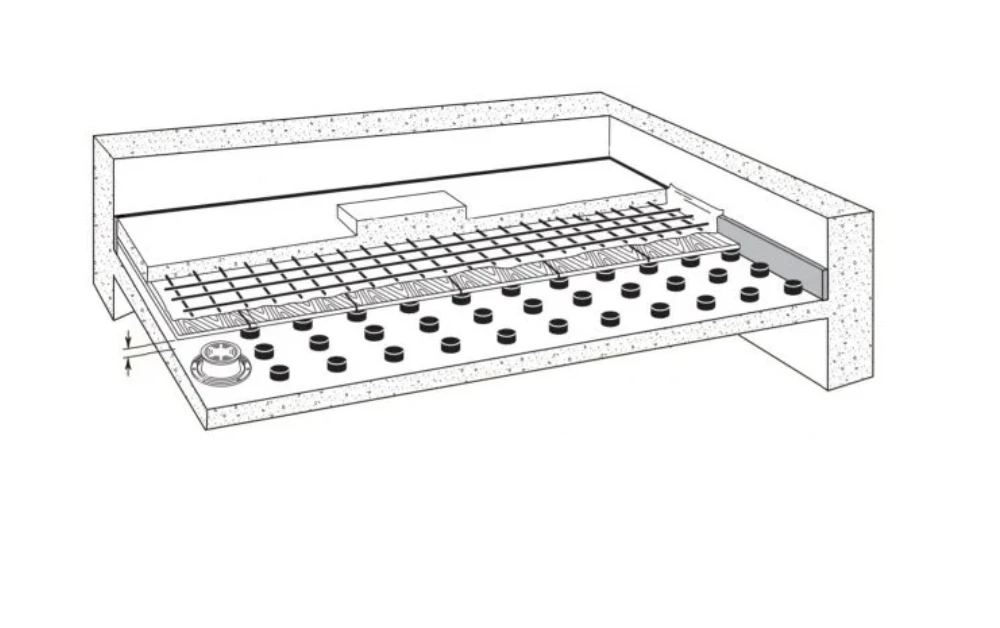
Unlike traditional floors that are nailed or glued down, floating floors are installed over a subfloor without permanent attachment.
Easy Installation and Flexibility
The main advantage of this method is flexibility. Floating floors can expand and contract with temperature and humidity changes without causing warping or buckling. This makes them ideal for spaces where climate control fluctuates.
Versatility Across Surfaces
Floating floors can be installed over various surfaces, including concrete, existing tiles, or plywood, making them a convenient option during renovations or remodeling projects.
How Floating Floors Enhance Interior Design
Beyond functionality, floating floors add aesthetic value to any space.
Seamless and Modern Appearance
The interlocking panels create a continuous surface with minimal seams, providing a clean and modern look. This effect makes rooms appear larger and more cohesive.
Variety of Styles and Materials
From laminate and vinyl to engineered wood, floating floors come in numerous colors, patterns, and finishes. Designers love them for the ability to match almost any décor style.
Practical Benefits for Daily Life
Floating floors are not just about style—they also bring several practical advantages.
Noise Reduction and Comfort
The underlayment used beneath floating floors absorbs sound, making spaces quieter and more comfortable. This is especially valuable in apartments or multi-story buildings where footfall noise can be disruptive.
Easy Maintenance
Floating floors are easy to clean and maintain. Their resilient surfaces resist stains and scratches, reducing long-term upkeep and replacement costs.
Ideal Spaces for Floating Floors
Certain areas benefit more than others from this flooring type.
Residential Spaces
Living rooms, bedrooms, and even kitchens can benefit from the flexibility and durability of floating floors. They provide warmth underfoot while remaining stylish.
Commercial Environments
Offices, showrooms, and retail spaces often use floating floors for their quick installation and ability to handle moderate foot traffic without extensive maintenance.
Renovation Projects
For spaces undergoing upgrades, floating floors are often the preferred choice because they can be installed over existing flooring without complex demolition.
Common Misconceptions About Floating Floors
Despite their popularity, some myths still circulate.
“They Are Not Durable”
Many assume floating floors are flimsy, but high-quality materials like engineered wood or luxury vinyl plank are highly resilient and long-lasting.
“Installation Is Complicated”
In reality, the interlocking design makes installation relatively straightforward, often faster than traditional nailed or glued methods.
Tips for Choosing the Right Floating Floor
To get the most from your floating floor, consider these factors.
Material and Thickness
Selecting the right material affects durability, appearance, and feel underfoot. Thicker planks often feel sturdier and last longer.
Underlayment Matters
The underlayment determines sound absorption and thermal insulation, enhancing the comfort of the flooring.
Color and Finish
Consider the room’s lighting, existing décor, and style preferences to select a floor that complements the overall design.
Long-Term Advantages of Floating Floors
Investing in floating floors pays off over time.
Cost-Effective Upgrades
Compared to traditional flooring, floating floors are often more affordable due to easier installation and lower labor costs.
Adaptability for Future Changes
If you remodel again, floating floors can often be removed and reinstalled elsewhere without damage, making them a flexible long-term solution.
Conclusion
Floating floors are more than just a trendy choice—they offer practical, aesthetic, and functional benefits that make them highly desirable for modern spaces. From easy installation and sound reduction to stylish finishes and long-term adaptability, they’re a smart investment for both residential and commercial projects. For expert guidance and professional installation that ensures optimal performance and durability, Perfect Acoustics provides trusted solutions to help you enjoy all the advantages of floating floors with confidence.