Picture a smoke alarm that keeps shrieking long after the toast has popped up and the smoke is gone. That's not a bad metaphor for PTSD. It's what a lot of trauma researchers actually use to explain it. The danger is over. The brain never got the memo. It keeps sounding the alarm anyway, sometimes for years, triggered by a sound, a smell, a date on the calendar, something that used to mean danger and now just means a door closed a little too hard.
A lot of people living with PTSD have found their way to medical cannabis, and PTSD is now the third most common reason patients cite when seeking a medical cannabis card, right behind chronic pain and anxiety. But is there real science behind it, or is this another case of anecdote getting ahead of evidence? The honest answer is more interesting than either extreme.
The Theory Behind Why This Might Actually Work
Your brain has a natural process called fear extinction. It's how a healthy nervous system learns that something that once meant danger no longer does. In PTSD, this process seems to get stuck. Researchers increasingly believe the endocannabinoid system, your body's own internal signaling network, plays a real role in that stuck switch. One of your body's natural cannabinoids, anandamide, appears to help the brain file away old fear responses as no longer relevant. In PTSD, that filing system seems to malfunction.
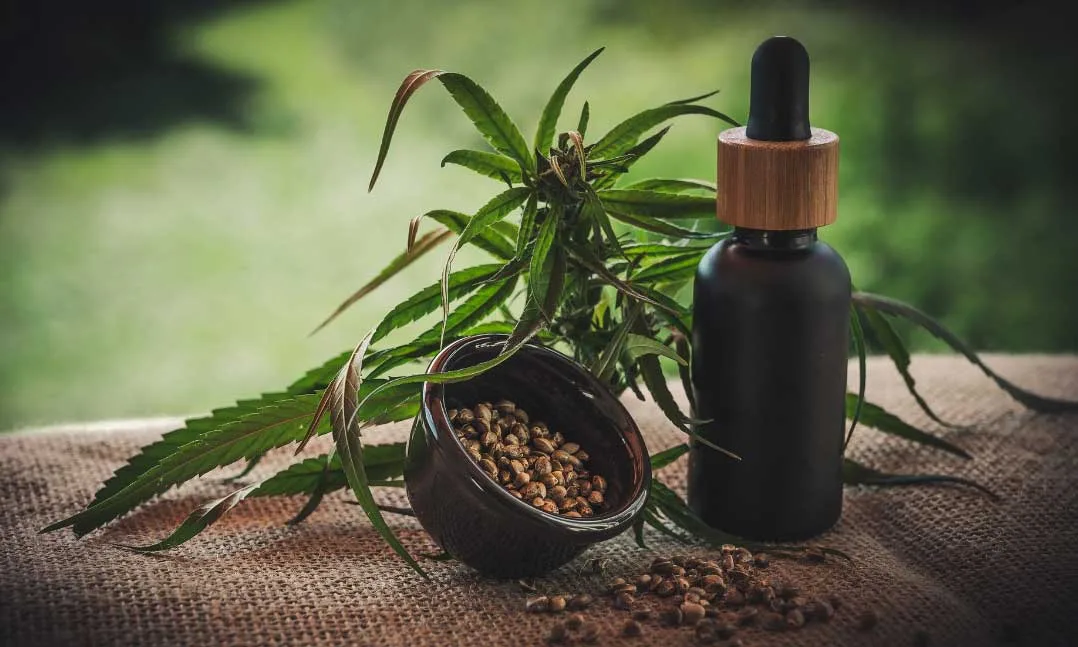
This is where cannabis enters the picture, not as some unrelated wellness trend, but because THC and CBD interact with the exact same receptors anandamide would normally be using. The theory isn't a stretch. It's a genuinely reasonable hypothesis with real biological grounding. But reasonable is where the science starts, not where it ends, and the actual evidence is a mixed bag worth walking through honestly.
What the Research Has Actually Found
Some of the more compelling findings involve nightmares specifically, which are one of the most disruptive PTSD symptoms for a lot of people. A study on nabilone, a synthetic form of THC, found that 72 percent of veterans receiving it experienced either a complete stop or a significant drop in nightmare intensity. That's a meaningful number, not a rounding error.
Broader survey and observational data tell a similar story. A survey of over 400 medical cannabis patients with PTSD found symptoms dropped by more than half immediately after use. A separate year long study out of Colorado found that patients using primarily THC dominant cannabis saw a greater reduction in PTSD symptom severity over time compared to non using participants, and were more than twice as likely to no longer meet the clinical criteria for PTSD at the one year mark.
That sounds impressive, and it is, but it's worth being clear about what kind of evidence this actually is. Much of it comes from observational studies and patient surveys, not the kind of tightly controlled, gold standard trials the FDA would need to approve cannabis as an official PTSD treatment. Mechanistically, some of the strongest support still comes from animal research on fear extinction, which is promising but is not the same thing as proof in humans. The research is genuinely encouraging. It is not yet definitive, and anyone telling you otherwise, in either direction, is oversimplifying it.
Why Some Products Seem to Help More Than Others
Here's a detail that gets lost in a lot of the more excited coverage of this topic. Not all cannabis, and not all doses, seem to work the same way for PTSD. THC appears to reduce time spent in REM sleep, which is the sleep stage where trauma related nightmares tend to occur, and this is likely part of why it shows up so consistently in nightmare focused research. CBD, meanwhile, appears to calm anxiety and hyperarousal without the intoxicating effects of THC, and may support fear extinction learning in its own right.
There's also a dosing pattern here that echoes what shows up across a lot of cannabis and mental health research. Low to moderate THC doses seem to support fear extinction and calm hyperarousal, while higher doses can tip the other way and increase anxiety or paranoia instead, which is the opposite of what someone with PTSD actually needs.
Because the right product and dose can vary significantly from person to person, it's important to work with a licensed physician rather than relying on trial and error. My MMJ Doctor provides state-specific medical cannabis consultations and educational resources to help eligible patients make informed treatment decisions.
This is exactly why working with a physician who understands both PTSD and cannabis dosing matters more here than in a lot of other contexts. Guessing your way to the right amount through trial and error carries real downside if a bad reaction adds another difficult experience on top of an already difficult condition.
The Part That Doesn't Get Said Enough
Cannabis is not positioned by any serious researcher as a replacement for trauma focused therapy, and it shouldn't be treated that way by patients either. A Rutgers University study actually pushed back on a common worry, finding that cannabis use did not appear to interfere with a patient's ability to benefit from PTSD therapy, which is a genuinely useful, if narrow, finding. The more common framing among clinicians is that cannabis may reduce symptom intensity enough to make therapy more accessible and tolerable, particularly for patients whose hyperarousal makes trauma focused work feel unbearable to sit through otherwise.
There's a real risk worth naming honestly too. Veterans with PTSD specifically appear more likely to develop cannabis use disorder compared to the general population, meaning trouble cutting back or controlling use once it starts. That doesn't cancel out the potential benefits discussed above, but it does mean this isn't a risk free, side effect free option, and it deserves the same careful, monitored approach any other treatment for a serious condition would get.
Where This Actually Leaves You
If you're living with PTSD and considering medical cannabis, the current science offers cautious, genuine hope rather than a guarantee. The mechanism makes sense. The nightmare specific research is genuinely encouraging. The broader picture is still filling in, and dose, product type, and working alongside real therapy all appear to matter as much as whether you use cannabis at all.
This is exactly the kind of decision worth bringing to a physician who understands trauma specifically, not just cannabis in general, since PTSD is complicated enough that guessing your way through it alone rarely serves anyone as well as a real, informed treatment plan does.