Most people don't think about their oral health until something starts to hurt. A sudden toothache, bleeding gums, or difficulty chewing often becomes the reason for scheduling a dental appointment. By then, however, what could have been prevented with a routine check-up may require more complex treatment.
Preventive dentistry isn't just about avoiding cavities, it's about protecting your overall health, preserving your natural teeth, and reducing long-term healthcare costs. As awareness grows about the connection between oral health and general well-being, regular dental care is becoming an essential part of a healthy lifestyle.
Your Mouth Reveals More About Your Health Than You Think
The mouth is often the first place where signs of broader health issues appear. Gum inflammation, persistent ulcers, dry mouth, or unexplained bleeding can sometimes indicate nutritional deficiencies, uncontrolled diabetes, immune disorders, or the side effects of certain medications.
Dentists don't simply examine teeth. They assess the health of your gums, tongue, jaw, bite, and oral tissues, making routine dental visits an important component of preventive healthcare.
Small Problems Rarely Stay Small
Dental disease usually progresses gradually. A tiny cavity may cause no discomfort for months, while early gum disease often develops without noticeable pain.
Without timely treatment, these conditions can lead to:
- Deep tooth decay
- Root infections
- Gum recession
- Bone loss around teeth
- Tooth mobility
- Tooth loss
Early diagnosis allows dentists to use simpler, less invasive treatments that preserve more of the natural tooth.
Prevention Costs Less Than Treatment
One of the biggest misconceptions about dental care is that routine visits are expensive. In reality, preventive care is almost always more affordable than restorative procedures.
For example:
- Professional cleaning helps reduce plaque and tartar before gum disease develops.
- Small cavities can often be treated with simple fillings.
- Early gum inflammation may improve with better oral hygiene and professional care.
Delaying treatment can increase the likelihood of requiring root canal therapy, crowns, dental implants, or periodontal surgery.
Everyday Habits That Protect Your Smile
Maintaining healthy teeth doesn't require complicated routines. Consistency is what matters most.
Simple habits include:
- Brushing twice daily with fluoride toothpaste.
- Cleaning between teeth with floss or interdental brushes.
- Drinking enough water throughout the day.
- Limiting sugary snacks and acidic beverages.
- Avoiding tobacco in all forms.
- Wearing a mouthguard during contact sports.
- Scheduling dental examinations every six months.
These small actions significantly reduce the risk of many common dental conditions.
How Modern Dentistry Has Improved Patient Care
Advancements in dental technology have transformed the patient experience.
Today's dental clinics commonly use digital imaging, improved sterilization protocols, minimally invasive treatment techniques, and advanced restorative materials that offer better precision and comfort.
Patients can now access treatments such as:
- Preventive dental examinations
- Professional scaling and polishing
- Tooth-coloured restorations
- Root canal therapy
- Dental crowns and bridges
- Dental implants
- Cosmetic smile enhancement
- Laser-assisted procedures
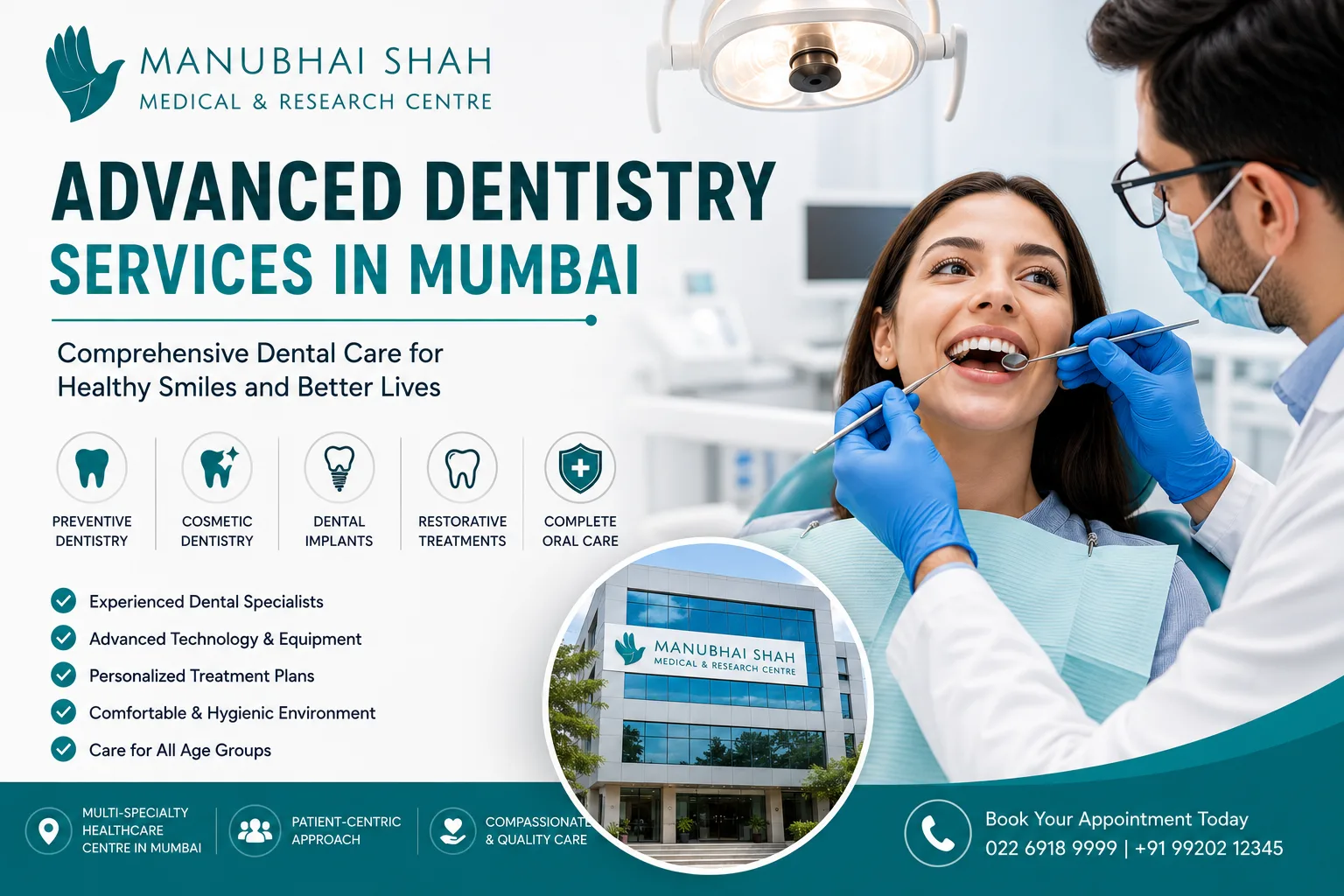
For readers interested in understanding the range of preventive, restorative, and cosmetic treatments available, this comprehensive guide to Dentistry Services Mumbai offers an overview of modern dental care and common
Choosing a Dental Clinic That Prioritizes Long-Term Care
Selecting a dental clinic should involve more than choosing the nearest location. Look for experienced professionals, transparent communication, modern equipment, strong infection-control practices, and a patient-first approach.
A trusted dental team will focus not only on treating existing problems but also on helping patients prevent future complications through education and personalized care.
Final Thoughts
A healthy smile doesn't happen by chance it results from consistent daily care and regular professional attention. Preventive dentistry is one of the most practical investments you can make for your long-term health, helping you avoid unnecessary discomfort, preserve your natural teeth, and improve your quality of life.
Rather than waiting for pain to become the reason for visiting a dentist, make oral health part of your routine wellness plan. Small preventive steps today can protect your smile for years to come.