Some jewelry looks perfect in the store and then somehow disappears once it gets home too loud for daytime, too delicate for layers, or simply “not you” when paired with your closet. The secret to choosing pieces that always work isn’t owning more; it’s understanding why certain designs repeatedly fit your lifestyle, your outfits, and the proportions of your body. When those three align, jewelry stops feeling like an extra decision and starts feeling like part of your identity.
Start With a Signature, Not a Shopping List
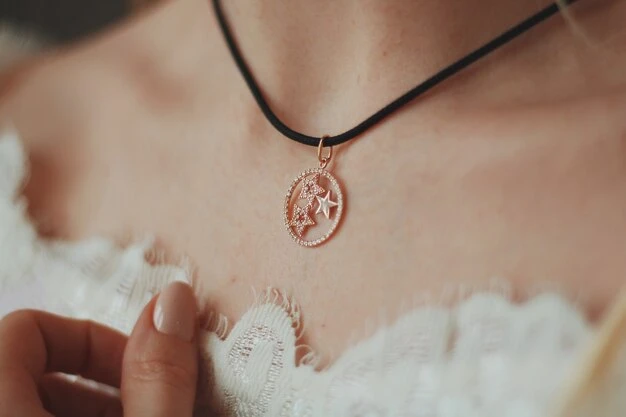
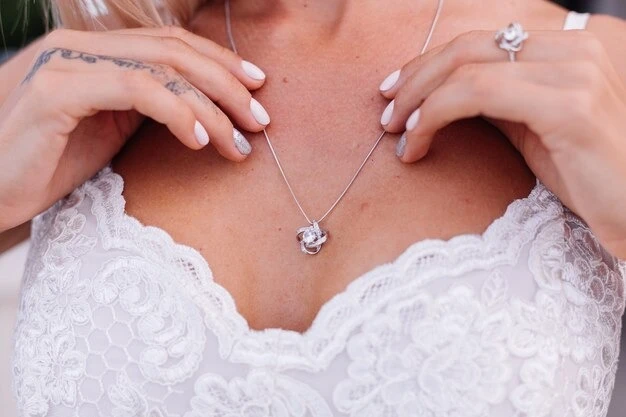
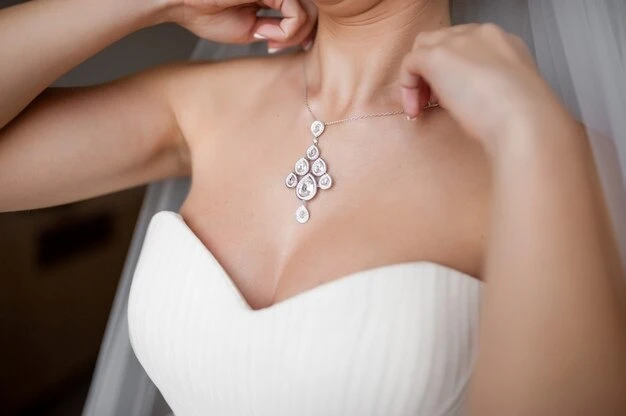
A reliable collection begins with one anchor idea: a signature you can reach for without thinking. For some people it’s polished minimalism; for others it’s romantic detail, bold geometry, or vintage references. If you’re building from scratch, one meaningful piece such as a custom lab diamond pendant chosen for your preferred shape, setting style, and chain length can set the tone for everything you add later, because it quietly defines what looks natural on you and what doesn’t.
Use Your Neckline as Your Map
Necklines quietly dictate what will look effortless. High necks and collared shirts reward shorter chains or statement earrings, while open necklines invite longer lines that visually lengthen the torso. V-necks love pendants that echo the same angle; square necklines pair beautifully with curved or rounded shapes that soften the frame. When you treat your neckline like a map, you stop guessing, and you start choosing pieces that land in the right place every time a foundational tip in any strong jewelry selection tips strategy.
Pick One Metal as Your Default, Then Bend the Rule
Many people stall because they think they must commit to one metal forever. You don’t but it helps to choose a default that harmonizes with your skin tone and your wardrobe. If your closet leans cool (black, navy, charcoal, crisp white), silver or white metals often feel seamless; if it leans warm (cream, camel, olive, chocolate), yellow or rose tones can look especially rich. Once you have a default, you can break the rule intentionally with contrast, rather than mixing randomly and feeling unsure.
Match the Scale to Your Features and Your Outfits
Scale is the most overlooked reason jewelry “fails.” Tiny pieces can disappear against textured knits and layered outerwear, while oversized pieces can overwhelm delicate features or busy prints. The goal isn’t small or big; it’s proportionate. If you wear chunky sweaters, wide-leg trousers, or oversized blazers, slightly bolder jewelry will read balanced. If you prefer sleek tailoring, fine chains and refined stones will feel aligned and modern.
Create a Repeatable Formula for Stacking
Layering is easiest when you follow a simple formula you can repeat: one close-to-the-neck piece, one mid-length piece, and one longer line or a single hero piece with a quiet supporter. Vary thickness slightly so the pieces don’t blend into one visual line, and keep at least one element plain to prevent clutter. A strong formula also means you can rotate one item at a time while maintaining the same “works every time” structure.
Think in Outfits, Not Occasions
The best jewelry isn’t “special occasion jewelry” it’s jewelry that can survive real life while still feeling special. Which three outfits would this immediately improve?” If a piece only matches one dress, it’s a novelty. If it upgrades denim and a tee, a work look, and an evening outfit, it’s a keeper. This mindset protects you from impulse buys and builds a collection that earns its space.
Let Values Guide Materials and Sourcing
A piece that fits your style but clashes with your values can still end up unworn. If mindful shopping matters to you, look for transparent sourcing, durable construction, and designs meant to last beyond a season. Many buyers now prioritize sustainable fashion jewelry because it supports longer wear cycles and reduces the pressure to constantly replace pieces.
Learn What Responsible Buying Looks Like in Practice
Beyond design, it helps to understand how a brand operates when you’re deciding what deserves a place in your daily rotation. Shoppers increasingly follow ethical jewelry trends to compare standards like traceability, fair labor commitments, repair programs, and responsible packaging, so they can buy with confidence rather than assumptions.
Follow Quality Cues You Can Actually Verify
You don’t need expert-level knowledge to spot quality, but you do need a checklist. Look for secure closures, smooth prongs, even stone settings, and chains that don’t kink easily. Check how a piece feels in the hand: does it seem substantial or flimsy, rigid or comfortable? Ask about returns, repairs, resizing, and cleaning guidance. When brands are confident in craftsmanship, they tend to be clear about aftercare and support details that matter when you plan to wear something often.
Conclusion
Jewelry that always works is rarely about chasing what’s new; it’s about choosing what repeats across outfits, across seasons, and across versions of your day. When you build around your signature, respect proportions, and use simple styling formulas, you reduce decision fatigue and increase wear. Over time, you’ll notice that what looks best isn’t the loudest piece, but the one that feels inevitable the moment you put it on.