Choosing a piece of jewelry meant to last a lifetime is less about chasing a trend and more about making a decision you’ll feel good about decades from now. The best selections balance beauty, practicality, and emotional meaning without requiring you to become an expert overnight. If you’re feeling overwhelmed by options, that’s normal: metals, stones, settings, craftsmanship, warranties, and lifestyle considerations all matter. This guide breaks the process into clear, decision-friendly checkpoints so you can move from “I’m not sure” to “I’m confident” with far less stress.
The real purpose behind the purchase
Before you compare stones or settings, identify what this piece is supposed to represent. Is it a commitment, a milestone, a family heirloom-in-the-making, or a self-gift tied to a personal achievement? When the purpose is clear, your choices narrow naturally. For example, a daily-wear ring demands different priorities than a formal necklace brought out a few times a year. When you know whether the piece needs to be durable, understated, symbolic, or bold, you’ll avoid paying for features that don’t serve your actual life.
Balancing timeless appeal with current taste
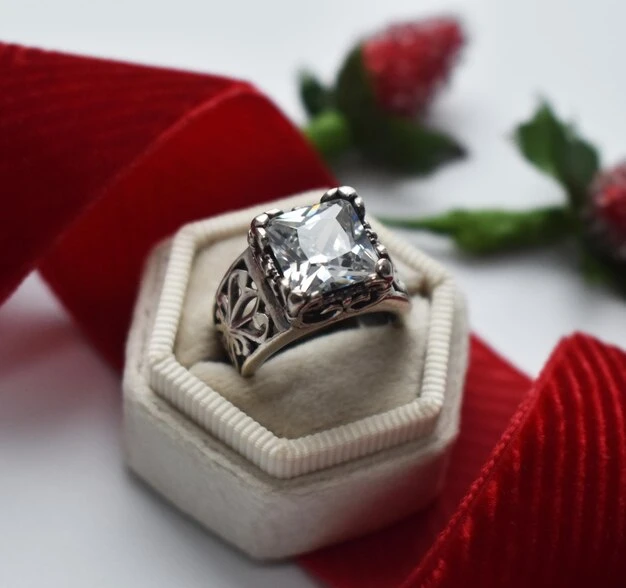
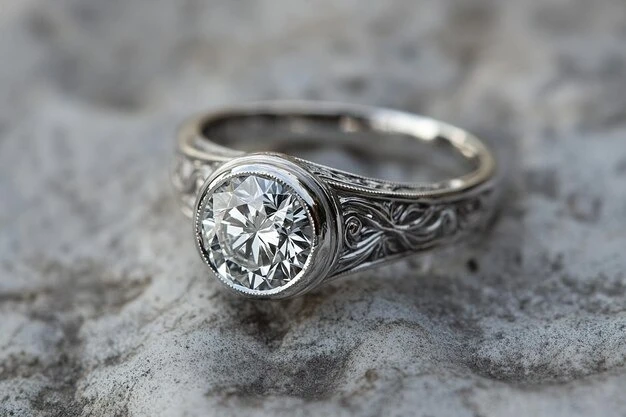
A “lifetime” piece should still feel like you, not like a costume from another era or a look you’ll outgrow quickly. One helpful approach is to separate the elements that read as timeless from the elements that feel trend-driven. Proportions, comfort, and stone security tend to age well; ultra-specific motifs and exaggerated silhouettes can feel dated faster. Many people land on a design that nods to vintage influence while still looking clean and modern, and that’s where antique cut lab-grown diamond engagement rings often enter the conversation as a way to blend old-world character with contemporary sourcing.
Understanding stone personality beyond the sparkle
Not all stones “perform” the same, even when they look similar in photos. Cut style affects how light moves, whether the appearance is crisp or glowy, and how the stone looks under indoor lighting versus daylight. If you’re drawn to a softer, romantic shimmer rather than a sharp, mirror-like flash, it helps to view options in multiple lighting environments. This is also where antique cut lab grown diamond engagement rings can stand out for people who love a distinctive pattern of brilliance that doesn’t look identical to everyone else’s. Ask to see videos, request side-by-side comparisons, and don’t be shy about taking a moment to watch the stone move.
Choosing materials that match everyday life
A lifelong piece should suit your routine, not force you to handle it like fragile art. Think about your hands-on activities, gym habits, travel frequency, and the kind of cleaning products you’re around. Metal choice matters: some alloys are more resistant to scratching, some develop patina, and some require periodic maintenance to keep their original look. Consider also skin sensitivities; nickel allergies are common, and discuss hypoallergenic options with the jeweler. If you want minimal upkeep, prioritize durable settings, secure prongs, and a band shape that doesn’t snag on clothing.
Setting and structure: comfort is not optional
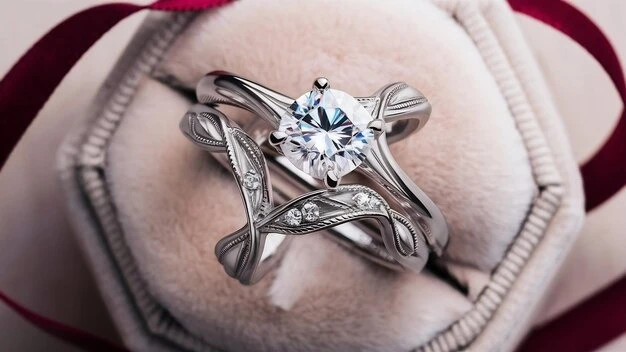
The setting does more than hold a stone; it determines how the piece feels every day. A ring that looks stunning but catches on sweaters, presses into adjacent fingers, or spins constantly can become annoying fast. Try on multiple profiles: low-set, mid-set, and higher-set styles all have different trade-offs. Pay attention to bandwidth, edge shape, and whether the inner surface is comfort-fit. This is also the stage where personalized ring designs can be genuinely practical, not just decorative, because subtle custom adjustments can improve stability, fit, and wearability without changing the overall aesthetic.
Craftsmanship details that separate “fine” from “forever”
Two pieces can look similar at first glance and differ dramatically in longevity. Inspect the finishing, symmetry, and how securely components are assembled. Ask about prong thickness, gallery support, and whether the setting is cast, hand-fabricated, or a hybrid. Quality jewelers welcome these questions because they reveal how the piece is engineered. If possible, look at the underside and interior details, not just the top view. Clean joins, smooth edges, and consistent polish often indicate careful work that holds up through decades of wear.
Sizing, future changes, and long-term flexibility
Hands change over time due to temperature, lifestyle, pregnancy, and natural aging, and your preferences can evolve too. It’s wise to ask how easily a ring can be resized, whether the design has stones on the band that limit resizing, and what the safe range of adjustment is. If you might want to add an anniversary band later, consider how the ring will stack and whether the setting allows a flush fit. Planning doesn’t reduce romance; it protects it, because it prevents “I love it, but I can’t wear it” moments down the line.
Responsible sourcing and value considerations
Many buyers today want beauty without compromising their values, and that can influence both materials and vendor choice. Ask direct questions about origin, labor practices, and documentation, and look for transparent policies rather than vague reassurances. This is where ethical jewelry styles become more than a buzzphrase your choice can reflect a broader commitment to responsibility while still delivering heirloom-level elegance. Also, remember that “value” isn’t only resale; it includes durability, service support, upgrade policies, and how confident you feel about what you purchased.
Coordinating with your wardrobe and existing pieces
A lifetime piece should integrate easily into the jewelry you already wear. Consider your daily metals (do you default to yellow, white, or mixed?), your typical neckline, and whether you prefer minimal pieces or statement accents. If you want the jewelry to feel timeless across different seasons of your life, aim for a look that complements both casual and formal outfits. Some people gravitate toward classic jewelry styles because they layer effortlessly and don’t compete with other accessories, making them ideal anchors for a long-term collection.
Conclusion
The best lifetime jewelry decision is the one that aligns with your story, your comfort, and your real day-to-day life. When you clarify the purpose, compare stone character in multiple lighting settings, prioritize durable structure, and verify craftsmanship and policies, you dramatically reduce the chance of regret. Take your time, ask direct questions, and choose the option that feels right, not just in a display box, but in motion on ordinary days, special days, and everything in between.