
Intro: Why Melbourne Homeowners Can’t Stop Talking About Floating Stairs
Ever walked into a Melbourne home and thought, “Wait… how is that staircase floating?” You’re not alone. Invisible staircases—or floating stairs—have become the must-have architectural feature in Melbourne’s modern homes. In fact, a recent local survey found that over 38% of homeowners renovating inner-city townhouses are considering some form of floating staircase for their open-plan layouts. But here’s the thing: the magic you see isn’t sorcery—it’s clever engineering, smart design, and yes, a little trickery.
If you’re a homeowner in Tarneit, Sunshine, or Footscray thinking about upgrading your home, understanding the mechanics behind these sleek staircases can save you a lot of headaches… and money.
What Makes a Staircase ‘Invisible’ Anyway?
Think of an invisible staircase like a magician’s trick—what you see is only part of the story.
At the heart of the illusion are three main elements:
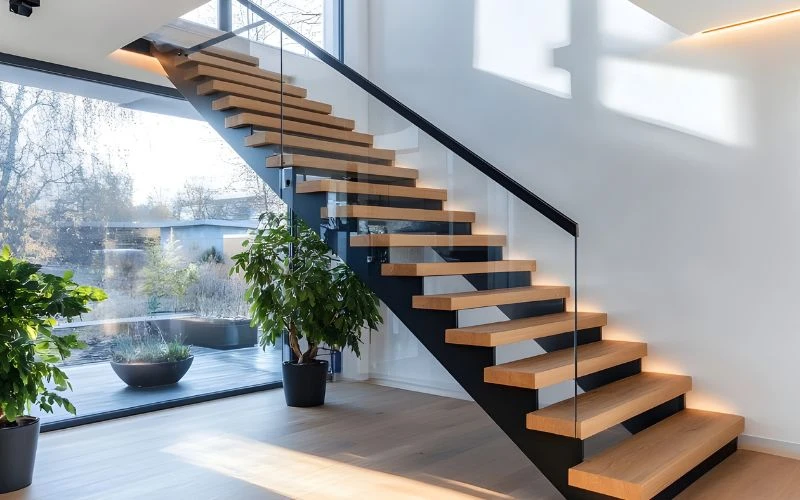
- Hidden Supports: Mono stringers or wall-mounted brackets bear all the weight while staying out of sight.
- Floating Treads: Each step appears suspended, often with no visible connection to the one above or below.
- Subtle Lighting: LED strips under treads or along the wall accentuate that “hovering” effect.
For local homeowners, working with professional staircases manufacturers in Melbourne ensures the design isn’t just pretty—it’s structurally sound and code-compliant.
Are Floating Stairs Safe for Families and Pets?
Short answer: yes—if done right. Long answer: it depends on materials, installation, and balustrade choice.
- Balustrade is key: A sleek glass or steel stair balustrade can make all the difference in safety.
- Check spacing: Australian building codes require proper tread spacing and balustrade height, so you don’t end up with a risky “hovering plank.”
- Materials matter: Timber treads look warm and natural but may need anti-slip treatment. Steel or concrete treads are stronger, low-maintenance options.
Tip: Always hire a certified installer. DIY floating stairs may look fun on Pinterest, but the cost of a misstep is too high.
How Much Space Do You Really Need for Floating Stairs?
Contrary to popular belief, floating stairs can fit in surprisingly small areas—but you need to plan carefully:
- Measure your ceiling height: Minimum rise per step is usually 190mm, but local staircases manufacturers can tweak it for your space.
- Check your footprint: L-shaped or spiral designs can save a lot of floor area in tight Tarneit townhouses.
- Leave light and airflow: Part of the “invisible” effect is unobstructed sightlines—avoid bulky walls or closed-off under-stair storage.
Pro tip: Sketch it out in 3D or use an online tool; seeing it visually helps prevent costly surprises.
Can Lighting Really Make a Staircase ‘Disappear’?
Interestingly, the right lighting does more than show you where to step—it completes the illusion.
- LED strips under treads highlight the floating effect.
- Wall washers bounce soft light across the stairwell for a subtle glow.
- Motion sensors save electricity while keeping safety first.
In fact, a local Tarneit home we worked with installed dimmable LEDs under a black steel stringer staircase, and visitors often comment, “It looks like it’s hovering!”
How to Pick a Reliable Floating Stair Installer in Melbourne
Step one: Don’t just Google “staircases manufacturers”—look for experience with floating stairs specifically.
Checklist for hiring:
- Proven portfolio with floating designs
- Familiarity with stair balustrade in Tarneit and local building codes
- Ability to provide 3D renderings or mockups
- Clear warranty and aftercare service
Remember: cutting corners on installation is like skipping the foundation on a house—it looks fine until it doesn’t.
Conclusion: Your Quick Checklist for an ‘Invisible’ Staircase
Before you start imagining that perfect floating staircase, here’s a practical takeaway:
- Confirm structural support with a qualified engineer
- Choose materials wisely: timber, steel, glass
- Integrate a secure balustrade—safety first!
- Plan lighting to enhance the floating effect
- Work with trusted staircases manufacturers and installers
- Ensure compliance with local building codes in Tarneit and Melbourne
Think of it like this: a floating staircase isn’t just a step—it’s a statement. With the right planning, you’ll get a modern, airy centerpiece that wows guests and adds value to your home.