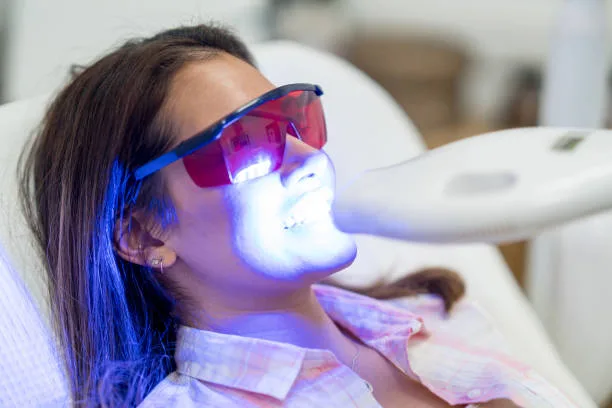
A bright, vibrant smile is universally associated with vitality, youthfulness, and interpersonal confidence. In both social and professional spheres, the appearance of a smile plays a significant role in first impressions and personal self-esteem. Over time, however, natural tooth enamel is subjected to daily staining agents, intrinsic aging processes, and lifestyle habits that cause teeth to lose their youthful brilliance and take on a yellowed or discoloured hue.
Driven by the widespread desire for brighter smiles, the consumer market has become saturated with over-the-counter whitening strips, abrasive charcoal toothpastes, and trendy ultraviolet light kits. Unfortunately, these unregulated consumer products often yield disappointing results, induce severe tooth sensitivity, and cause irreversible damage to natural enamel and gum margins. Achieving a dramatically whiter smile safely and sustainably requires an understanding of enamel biochemistry and the precision of professional cosmetic dental supervision.
Understanding the Mechanisms of Enamel Staining
To appreciate why professional whitening treatments succeed where commercial products fail, one must examine the histological structure of the human tooth. The outermost layer of a tooth consists of dental enamel, a highly mineralized crystalline lattice formed predominantly of hydroxyapatite crystals. Beneath this protective enamel shell lies dentine, a softer, naturally yellowish substance containing microscopic tubules that transmit sensory signals directly to the central nerve pulp.
Tooth discolouration is broadly categorized into extrinsic and intrinsic staining. Extrinsic stains accumulate on the outer enamel surface due to regular consumption of chromogen-rich foods and beverages, such as black coffee, steeped tea, dark red wine, soy sauce, and tobacco smoke. These chromogenic compounds contain pigmented tannins that bind tenaciously to the protein pellicle covering the enamel, dulling the natural shine of the tooth over time.
In contrast, intrinsic discolouration develops within the deeper dentine layer due to natural aging, childhood exposure to tetracycline antibiotics, excessive systemic fluoride ingestion during tooth development, or internal dental trauma. As individuals age, the outer enamel layer naturally thins due to wear, allowing the darker, yellower underlying dentine to show through more prominently. Addressing intrinsic discolouration requires specialised chemical penetration that over-the-counter abrasive pastes cannot achieve.
The Chemistry of Professional Peroxide Bleaching
Professional teeth whitening utilizes chemically stabilized formulations of hydrogen peroxide or carbamide peroxide to break down stubborn stain molecules through oxidation. During treatment, the active peroxide penetrates deep into the microscopic pores of the enamel and reaches the underlying dentine. Once inside, the peroxide breaks down into reactive oxygen radicals that target the complex double carbon bonds of organic stain pigments.
Opting for professional Teeth Whitening Auckland ensures that whitening agents are applied under controlled, clinical conditions that safeguard delicate oral tissues. Clinicians apply a specialised protective resin barrier across the gingival margin, completely isolating the gums from contact with the bleaching gel. This meticulous barrier isolation prevents chemical irritation and painful soft tissue ulceration, a common hazard associated with poorly fitting over-the-counter trays.
Professional in-office whitening delivers dramatic lightening of multiple shades within a single sixty-minute appointment. Clinicians apply high-concentration peroxide gels in controlled fifteen-minute intervals, monitoring the shade progression and patient comfort throughout. For patients who prefer whitening at their own pace, clinicians fabricate bespoke vacuum-formed take-home trays that hold lower-concentration gel precisely against the teeth, ensuring uniform coverage without saliva dilution or gum irritation.
Managing Sensitivity and Safeguarding Enamel Integrity
A frequent concern among individuals considering cosmetic whitening is the prospect of post-treatment tooth sensitivity. Sensitivity occurs when peroxide temporarily penetrates through the dentinal tubules, stimulating the fluid movement that signals nerve endings within the tooth pulp. In healthy teeth, this sensitivity is transient and completely reversible, typically subsiding within twenty-four to forty-eight hours.
Consulting an experienced Affordable Dentist Auckland prior to whitening ensures that underlying dental conditions are identified and resolved first. Applying bleaching agents to teeth with active cavities, leaking restorations, or exposed root surfaces can cause severe pulpal inflammation. A thorough pre-whitening examination and professional cleaning remove surface plaque and calculus, ensuring that the whitening gel contacts clean enamel for predictable, even results.
Furthermore, professional dental clinics utilize advanced desensitizing agents containing potassium nitrate and amorphous calcium phosphate. These therapeutic compounds occlude open dentinal tubules and remineralize enamel crystals, eliminating post-operative sensitivity while reinforcing enamel hardness. Patients achieve a brilliant, radiant smile without enduring unnecessary discomfort.
Maintaining Whitening Results for the Long Term
The longevity of professional whitening results depends heavily upon ongoing dietary choices and oral hygiene diligence following treatment. During the first forty-eight hours following a whitening procedure, the enamel pores remain slightly open and exceptionally susceptible to rapid stain re-absorption. Clinicians recommend adhering to a strict white diet during this initial window, avoiding dark berries, tomato-based sauces, coffee, red wine, and brightly coloured condiments.
Practicing meticulous daily oral care, including gentle brushing with non-abrasive fluoride toothpaste and daily interdental flossing, prevents new extrinsic stains from settling on enamel surfaces. Scheduling routine six-monthly dental check-ups and professional hygiene cleanings removes superficial stain deposits before they become embedded in the enamel matrix. Additionally, utilizing custom take-home trays for occasional touch-up sessions once or twice a year preserves luminous results across years of confident smiling.
Conclusion
Professional teeth whitening represents a scientifically proven, safe, and highly effective cosmetic treatment that rejuvenates the natural beauty of your smile. By harnessing targeted peroxide oxidation under accredited clinical supervision, patients achieve luminous, long-lasting whitening while preserving enamel integrity and gum health. Investing in professional cosmetic dental care ensures that your smile radiates health, vitality, and unshakeable confidence every single day.