Your skin constantly responds to stress, weather, aging, and environmental exposure. Fine lines appear slowly, uneven texture develops over time, and dullness often replaces natural radiance. Modern cosmetic procedures now focus on supporting the skin’s natural repair system rather than masking imperfections temporarily. Among these advanced methods, Microneedling in Murrieta continues gaining attention because it stimulates collagen production through controlled micro-injuries. The process sounds simple, yet the science behind it reveals a fascinating interaction between cellular repair, tissue remodeling, and long-term skin rejuvenation that many people still do not fully understand.
Understanding the Skin Repair Process
Skin contains multiple layers that work together to maintain hydration, elasticity, and protection. As collagen production slows with age, the surface gradually loses firmness and smoothness. Microneedling activates the body’s wound-healing response by creating tiny punctures across targeted areas.
These microscopic channels trigger fibroblast activity, encouraging fresh collagen and elastin development. During the healing phase, circulation improves and damaged tissue begins restructuring itself naturally. This process supports healthier skin texture without aggressive surgical procedures.
Unlike temporary cosmetic solutions, collagen induction therapy continues improving skin quality even after treatment sessions end. Many individuals notice gradual enhancement because the skin keeps rebuilding itself over several weeks.
Collagen Production and Cellular Regeneration
Collagen acts as the structural protein responsible for skin strength and flexibility. Reduced collagen levels often contribute to sagging, enlarged pores, wrinkles, and acne scarring. Microneedling stimulates the deeper dermal layers where collagen synthesis becomes essential for visible improvement.
The procedure encourages keratinocyte migration and controlled inflammatory responses. These biological reactions increase tissue regeneration while preserving the outer barrier of the skin. Cellular turnover becomes more efficient, helping uneven texture appear smoother over time.
Many dermatological procedures focus on external exfoliation alone. Microneedling differs because it addresses internal skin remodeling beneath the surface. This scientific mechanism explains why long-term results often appear more natural and progressive.
Controlled Micro-Injuries and Healing Response
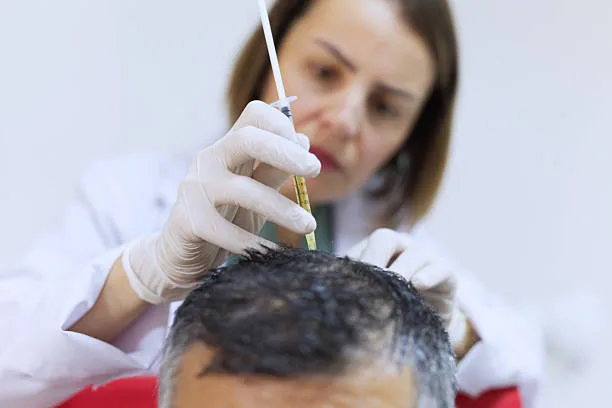
Tiny sterile needles create thousands of precise microchannels during treatment. Although these punctures remain extremely small, the body interprets them as minor injuries requiring repair. Platelets release growth factors immediately after the process begins.
These growth factors stimulate fibroblasts responsible for producing collagen fibers and elastin networks. Increased blood circulation also delivers oxygen and nutrients more effectively throughout the treatment area. As healing progresses, skin texture often becomes firmer and more refined.
Many modern clinics combine this regenerative approach with the Best Skin Laser Treatment methods for enhanced resurfacing outcomes. Combining technologies sometimes supports deeper rejuvenation while minimizing extended downtime associated with aggressive procedures.
The controlled nature of the treatment remains important because excessive skin trauma may disrupt healing. Proper needle depth and technique help maximize collagen stimulation while maintaining safety and comfort throughout the procedure.
Benefits Beyond Surface-Level Improvement
Microneedling supports more than cosmetic enhancement alone. The treatment may help improve the absorption of topical serums because the temporary channels allow active ingredients to penetrate deeper layers more effectively.
People often seek microneedling in Murrieta for acne scars, enlarged pores, uneven pigmentation, stretch marks, and rough texture. Skin gradually appears brighter because regeneration improves cellular turnover and circulation simultaneously.
Another advantage involves minimal recovery compared to highly invasive cosmetic procedures. Mild redness commonly fades within a short period, allowing many individuals to resume regular activities quickly.
Some advanced regenerative practices also integrate therapies associated with tissue restoration research, including methods linked conceptually to SRT Therapy For Skin Cancer recovery support. While these treatments differ significantly in purpose, both demonstrate how controlled technological intervention can influence skin repair pathways.
Factors That Influence Treatment Results
Several biological and environmental factors affect how skin responds after microneedling sessions. Age, hydration levels, sun exposure, and overall skin condition all influence collagen regeneration speed.
Consistent skincare habits help protect newly stimulated tissue. Hydration remains essential because water supports cellular repair and elasticity maintenance during the healing process. Excessive ultraviolet exposure may slow recovery and contribute to inflammation.
Treatment frequency also matters. Multiple sessions often produce more noticeable improvements because collagen remodeling develops gradually. Immediate transformation rarely occurs overnight since biological regeneration follows a natural timeline.
Skin sensitivity varies among individuals as well. Some people experience faster healing responses, while others require additional time for visible enhancement. Controlled patience often becomes part of achieving smoother and healthier-looking skin.
Technological Advancements in Skin Rejuvenation
Modern devices for microneedling in Murrieta continue evolving with improved precision and customization capabilities. Adjustable needle depths allow practitioners to target specific concerns more effectively without excessive irritation.
Radiofrequency-assisted systems now combine thermal energy with microneedling to stimulate deep collagen contraction. This advancement supports tighter skin and enhanced textural refinement simultaneously. Technology continues shifting cosmetic dermatology toward regenerative science rather than superficial correction alone.
Researchers also study how growth factors, peptides, and stem-cell-based serums interact with microneedling channels. These innovations may further improve tissue healing and collagen stimulation in future treatments.
As regenerative aesthetics continue advancing, minimally invasive procedures remain increasingly attractive because they balance effectiveness with shorter recovery periods. Scientific understanding of skin biology continues shaping modern cosmetic care approaches.
Safety, Recovery, and Skin Maintenance
Post-treatment care significantly affects recovery quality and final outcomes. Freshly treated skin becomes temporarily sensitive because the microchannels remain open during early healing stages. Gentle cleansing and hydration usually support optimal recovery.
Protective skincare products often help reduce irritation while maintaining moisture balance. Harsh exfoliants and direct sunlight commonly increase inflammation during the healing period. Allowing the skin adequate recovery time helps preserve collagen-building benefits.
Healthy lifestyle habits also influence skin quality after treatment. Balanced nutrition, hydration, and consistent sleep patterns support cellular repair mechanisms naturally. Long-term maintenance often determines how effectively rejuvenated skin continues appearing smooth and resilient.
Although results develop progressively, many individuals appreciate the natural appearance created through biological regeneration rather than artificial enhancement techniques alone.
Conclusion
Modern skincare increasingly relies on regenerative science instead of temporary cosmetic concealment. By activating collagen synthesis and supporting tissue remodeling, microneedling in Murrieta offers a structured approach to improving texture, firmness, and overall skin quality. The treatment works with your body’s natural healing response, making the process both scientifically intriguing and cosmetically effective. As technology advances further, the relationship between cellular repair and aesthetic medicine continues expanding, revealing why collagen-focused procedures remain an important part of modern skin rejuvenation.