

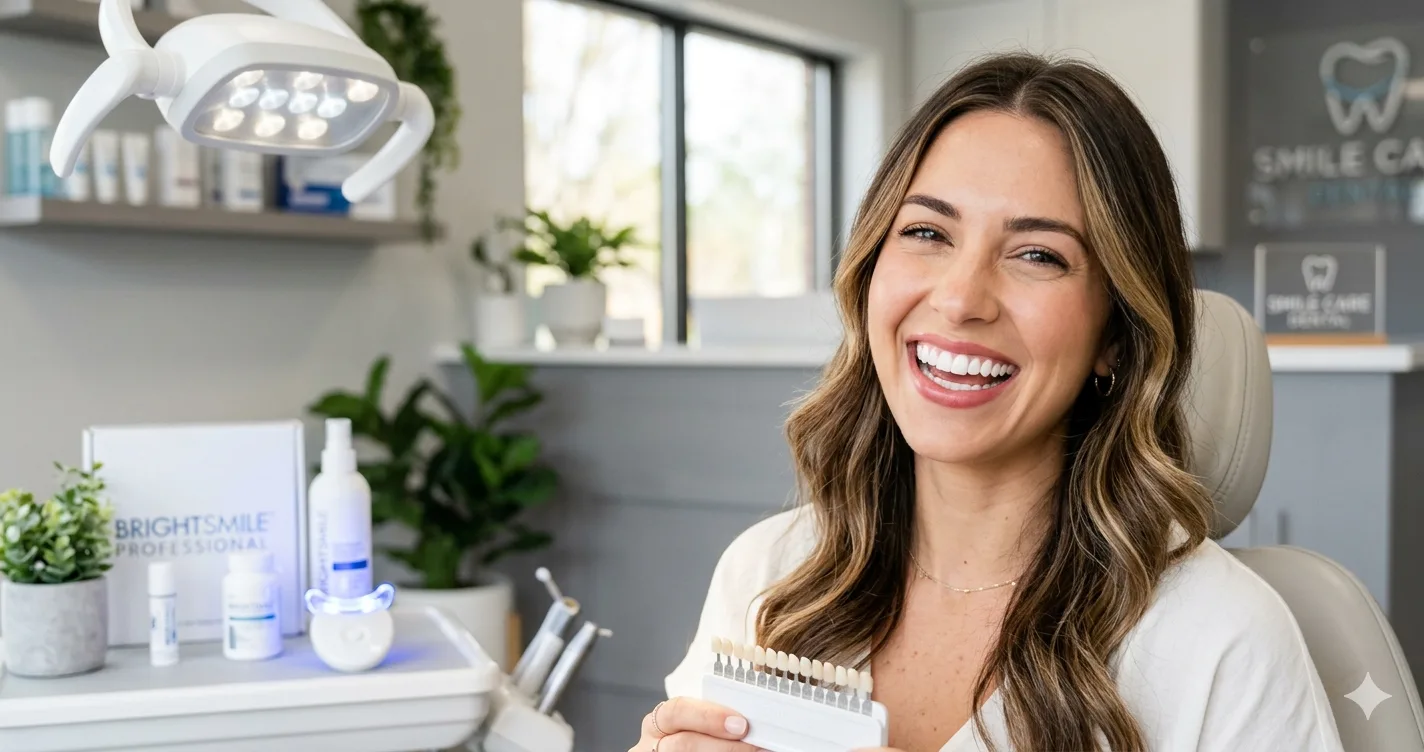
A bright, white smile is often seen as a sign of health and confidence, which is why teeth whitening has become one of the most popular cosmetic dental procedures. In Lewisville, patients are increasingly seeking professional whitening treatments that are not only effective but also scientifically advanced. Understanding the science behind teeth whitening can help you make informed decisions about achieving a radiant smile.
Understanding Tooth Discoloration
To understand how teeth whitening works, it’s important to first know why teeth become discolored. Tooth enamel, the outer layer of the tooth, is porous. Over time, it absorbs pigments from foods, beverages, and tobacco. Common culprits include coffee, tea, red wine, and certain richly colored foods.
Additionally, aging plays a role in discoloration. As enamel wears down, the underlying dentin—which has a natural yellowish hue—becomes more visible. There are two main types of stains: extrinsic stains (on the surface) and intrinsic stains (deeper within the tooth structure).
The Chemistry of Teeth Whitening
Most professional teeth whitening treatments rely on active ingredients such as hydrogen peroxide or carbamide peroxide. These compounds act as bleaching agents that penetrate the enamel and reach the dentin layer.
Once applied, the peroxide breaks down into oxygen molecules. These molecules react with the discolored compounds in the teeth, breaking their chemical bonds. This process, known as oxidation, effectively lifts stains and lightens the overall color of the teeth.
The strength and concentration of the whitening agent determine how quickly and effectively the process works. Professional treatments use higher concentrations than over-the-counter products, resulting in faster and more noticeable outcomes.
Role of Light and Activation Technology
Many modern whitening treatments incorporate LED or laser technology to enhance the chemical reaction. These light sources accelerate the breakdown of peroxide, allowing the whitening process to occur more efficiently.
While the bleaching agent does the primary work, the light activation helps speed up the reaction and improve results within a shorter time frame. This is why many in-office treatments can deliver dramatic changes in just one session.
Safety and Enamel Protection
A common concern about teeth whitening is whether it damages enamel. Scientifically, when performed correctly under professional supervision, whitening treatments are considered safe. The bleaching agents are formulated to target stains without harming the tooth structure.
Dentists take precautions to protect the gums and surrounding tissues during the procedure. In addition, many modern whitening products include ingredients that help reduce sensitivity and support enamel health.
Why Professional Treatments Are More Effective
The effectiveness of teeth whitening depends on several factors, including the type of stains, the concentration of the whitening agent, and the method used. Professional treatments in Lewisville are tailored to each patient’s needs, ensuring optimal results.
Dentists can adjust the strength of the whitening gel and the duration of treatment based on individual conditions. This level of customization is not possible with generic, over-the-counter products, which often produce uneven or less noticeable results.
Longevity of Whitening Results
The results of teeth whitening are not permanent, but they can last for an extended period with proper care. The longevity depends on lifestyle habits, such as diet and oral hygiene.
Avoiding stain-causing substances and maintaining regular dental cleanings can help preserve the brightness of your smile. Many patients also use take-home whitening kits provided by their dentist for periodic touch-ups.
The Future of Teeth Whitening
Advancements in dental science continue to improve teeth whitening treatments. New formulations aim to reduce sensitivity, enhance enamel protection, and deliver longer-lasting results. Innovations such as personalized whitening plans and improved delivery systems are making treatments more efficient and comfortable.
Conclusion
The science behind teeth whitening in Lewisville treatments is rooted in advanced chemistry and modern dental technology. By understanding how whitening agents work and why professional care matters, patients can confidently choose treatments that deliver safe, effective, and lasting results.
For anyone seeking a brighter smile, professional teeth whitening offers a scientifically proven solution that combines efficiency, safety, and impressive cosmetic outcomes.


