In the constantly changing landscape of HVAC technology, water coils remain an integral part of providing effective heating and cooling for homes, businesses, and industries. Tucked away within air handling units or ducts, these coils work behind the scenes to accomplish the vital function of heat transfer between air and water, providing comfortable indoor climates throughout the year.
In this article, we'll dive into the role, types, materials, design factors, and upkeep of water coils in contemporary HVAC systems—everything you need to know, all in one place.
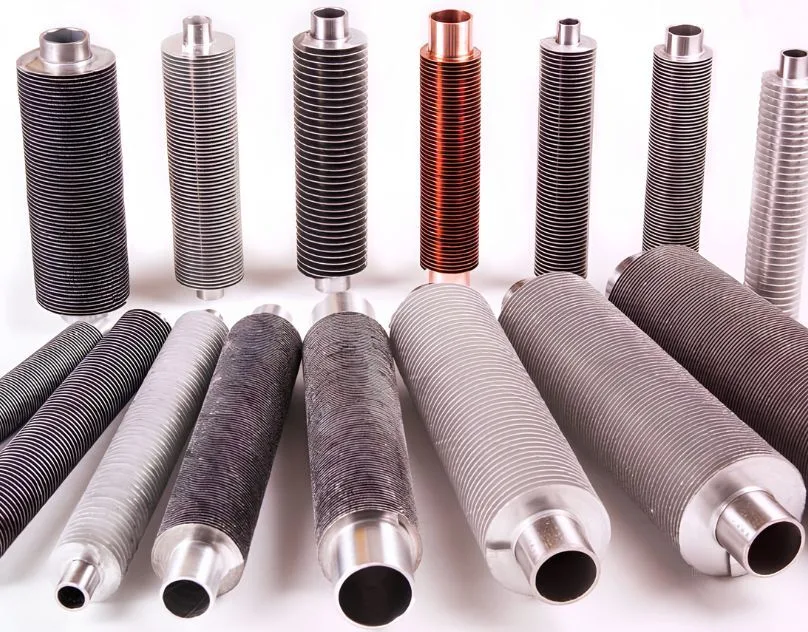
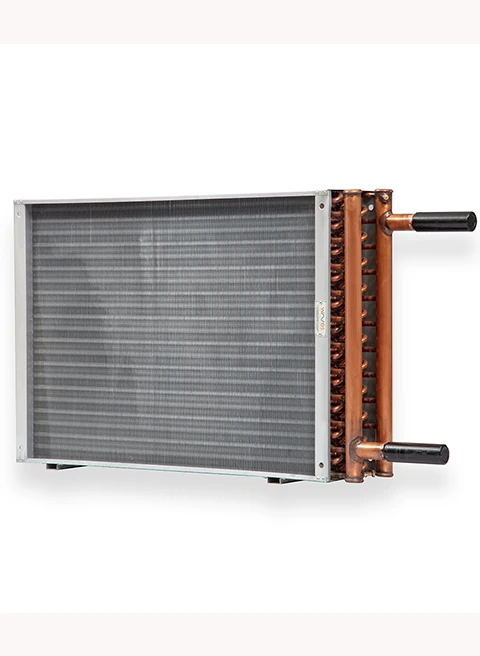
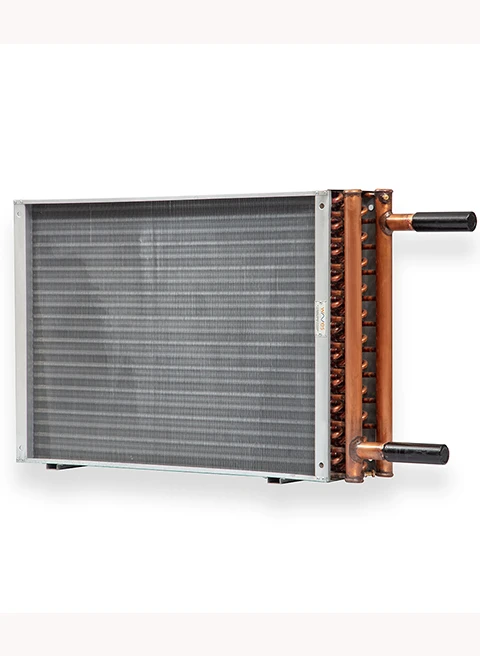
Water coils, or hydronic coils, are heat exchangers that are utilized to heat or cool air while it passes through an HVAC system. They are a collection of metal tubes and fins contained in a frame. When air passes over the coil's fins, heat is exchanged between the fluid in the tubes and the air—usually hot water, chilled water, or a glycol solution.
Based on the use, water coils can accomplish two primary functions:
???? Chilled Water Coils – To cool air by passing chilled water or glycol through the tubes.
???? Hot Water Coils – To warm air by passing hot water from a boiler or heat pump.
How Do Water Coils Work in HVAC Systems?
The mechanism behind water coils is uncomplicated yet potent: thermal exchange.
A pump circulates hot or chilled water into the coil.
Air is directed over the coil by a fan or air handler.
The difference in temperature between the air and water provides a means for heat transfer to take place.
The conditioned air is distributed through the building.
Water coils are used in most air handling units (AHUs), fan coil units, and rooftop units and therefore are one of the most flexible devices utilized in HVAC design.
Types of Water Coils
Knowledge of the types of water coils can assist in choosing the appropriate one for your system:
1. Chilled Water Coils
Applied to cooling systems
Flow water between 40°F to 55°F
Typically utilized in large commercial building HVAC systems
2. Hot Water Coils
Applicable for heating
May be applied at different temperatures (low-temp or high-temp hot water)
Typical in buildings with hydronic heating systems
3. Steam Coils
Technically a type of water coil with steam instead of liquid water
Utilized in applications with high heat requirements
Materials Utilized in Water Coils
Material selection contributes significantly to heat transfer effectiveness, longevity, and system compatibility:
Component\tTypical Materials\tFunction
Tubes\tCopper, Stainless Steel\tHigh heat conductivity and corrosion resistance
Fins\tAluminum, Copper\tIncreases surface area for effective heat transfer
Frame\tGalvanized Steel, Stainless Steel\tStructural support and coil assembly protection
Copper tubes with aluminum fins are the most widely used combination because they strike a balance between efficiency and cost.
Why Water Coils Are So Important in New HVAC Systems
New HVAC systems need to be energy-efficient, versatile, and eco-friendly. Water coils enable these objectives by providing:
✅ High Efficiency
Water is a very good heat transfer fluid, so hydronic systems are very efficient for heating and cooling.
???? Eco-Friendly Operation
Hydronic systems minimize the use of refrigerants and can be combined with renewable energy sources such as solar thermal or geothermal systems.
???? Scalability and Flexibility
Water coils are suitable for small fan coils or large air handlers and can be applied to buildings of any size.
???? Ease of Maintenance
With adequate access and regular maintenance, water coils can offer years of trouble-free service with few problems.
Key Design Considerations
When choosing water coils, keep the following in mind:
Tube Diameter and Wall Thickness: Impacts pressure drop and longevity
Fin Spacing (FPI): Increased fins per inch provide increased surface area but can limit airflow
Number of Rows: Increased rows = increased heat transfer, but increased resistance too
Fluid Type: Water versus glycol blends impact capacity and freeze protection
Maintenance Tips for Best Performance
As with all HVAC equipment, water coils need periodic maintenance to maximize performance:
???? 1. Clean Coils
Dirt and debris impede airflow and heat transfer
Clean coils every six months with mild soaps or commercial coil cleaners
???? 2. Inspect for Leaks or Corrosion
Check tubes and joints for signs of wear
Replace damaged portions in a timely manner to prevent system failure
???? 3. Ensure Proper Water Quality
Poor water quality can result in internal scaling or corrosion
Utilize filters and water treatment systems where appropriate
???? 4. Avoid Freezing in Cold Weather
Apply antifreeze solutions or drain coils during winter shutdowns
Insulate piping to prevent energy loss
The Evolution and Reliability of Water Coils
Water-based heat exchangers have been around in one form or another for centuries. So much so that the oldest water tube systems are around 2,000 years old. The first modern water coil-type heat exchanger was patented by William Blakely in 1796. Roll on to today, and they're a staple of commercial and industrial HVAC systems worldwide.
Conclusion
Water coils are the quiet workhorses that make HVAC systems hum along effortlessly while efficiently maintaining their systems. With precise temperature control, compatibility with green systems, and versatility in applications, they're the essential component of contemporary climate control systems.
Selecting the proper design, material, and configuration—and maintaining regular upkeep—can create a dramatic impact on both energy conservation and in-house comfort.