
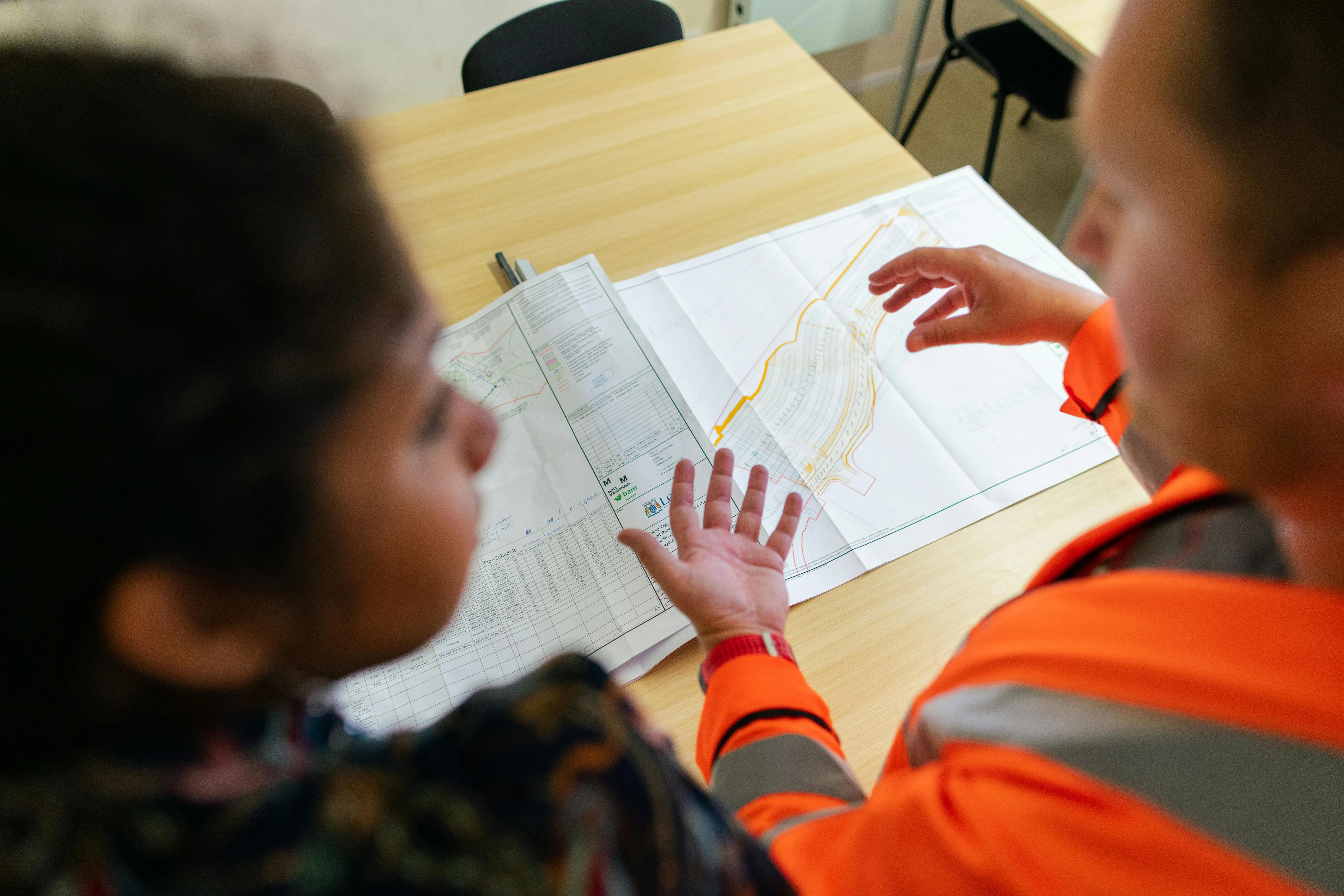
High-stakes engineering projects operate in environments where precision, safety, and reliability are absolutely critical. Whether in aerospace, defense, or advanced manufacturing, even the smallest error can lead to significant consequences. In these fields, testing is not simply a final step but an ongoing process that ensures every component and system performs as intended under a wide range of conditions.
As technology advances and systems become more complex, the importance of thorough testing continues to grow. Engineers must anticipate potential issues long before a product or structure is put into real-world use. By understanding the role of testing in these critical projects, it becomes clear how essential it is in protecting both investments and human safety.
Types of Testing Used in Engineering
Engineering projects rely on a variety of testing methods to evaluate performance and durability. Each type of test is designed to address specific aspects of a system, ensuring a comprehensive assessment of its capabilities. These methods work together to provide a complete understanding of how a product will perform.
Stress testing is commonly used to evaluate how materials and structures respond to forces such as pressure, weight, and vibration. This type of testing helps identify potential points of failure and ensures that designs can withstand real-world conditions. Environmental testing, on the other hand, focuses on how systems perform under different temperatures, humidity levels, and other external factors.
Simulation testing has also become increasingly important with advancements in digital technology. Engineers can create virtual models to test scenarios that may be difficult or costly to replicate in physical environments. This approach allows for more efficient problem-solving and reduces the risk of unexpected issues during production.
Ensuring Safety and Reliability
One of the primary goals of testing in high-stakes engineering projects is to ensure safety. Systems that are not properly tested can pose serious risks to users and operators, particularly in industries where human lives are directly involved. Thorough testing helps identify and address potential hazards before they become real-world problems.
Reliability is equally important, as engineering systems must perform consistently over time. Testing ensures that components maintain their integrity and functionality even after prolonged use. This consistency is essential for maintaining trust in both the product and the organization behind it.
In industries served by an aerospace engineering company, safety and reliability standards are especially strict. These projects require multiple layers of testing and validation to meet regulatory requirements and industry expectations. This rigorous process reflects the high level of responsibility associated with such work.
The Role of Iteration and Continuous Improvement
Testing is not a one-time event but an ongoing cycle that continues throughout the development process. Engineers often conduct multiple rounds of testing, making adjustments and improvements based on the results. This iterative approach helps refine designs and ensures that any issues are addressed before final production.
Each round of testing provides valuable insights into how a system performs and where improvements can be made. By analyzing this data, engineers can optimize designs and enhance overall performance. This continuous improvement process is a key factor in achieving high-quality results.
The ability to adapt and refine designs based on testing outcomes also contributes to innovation. Engineers can experiment with new materials, designs, and technologies, using testing as a tool to evaluate their effectiveness. This process drives progress and leads to more advanced and reliable solutions.
Cost Efficiency and Risk Reduction
While testing requires time and resources, it ultimately contributes to cost efficiency by reducing the likelihood of failures. Identifying and resolving issues early in the development process is far less expensive than addressing them after production or deployment. This proactive approach helps minimize financial risks and protect investments.
Testing also reduces the risk of delays and disruptions. Engineering projects that encounter problems after deployment may require extensive repairs or redesigns, which can impact timelines and budgets. By ensuring that systems are thoroughly tested, companies can avoid these challenges and maintain a more predictable development process.
In high-stakes industries, the cost of failure extends beyond financial considerations. It can also impact reputation, safety, and regulatory compliance. Thorough testing helps mitigate these risks, providing greater confidence in the final product.
Conclusion
Testing is a critical component of high-stakes engineering projects, ensuring that systems are safe, reliable, and capable of performing under demanding conditions. From initial design validation to ongoing improvements, testing plays a vital role at every stage of development.
As technology advances and engineering challenges become more complex, the importance of thorough and innovative testing will only continue to grow. By prioritizing this process, industries can deliver solutions that not only meet expectations but also set new standards for quality and safety.