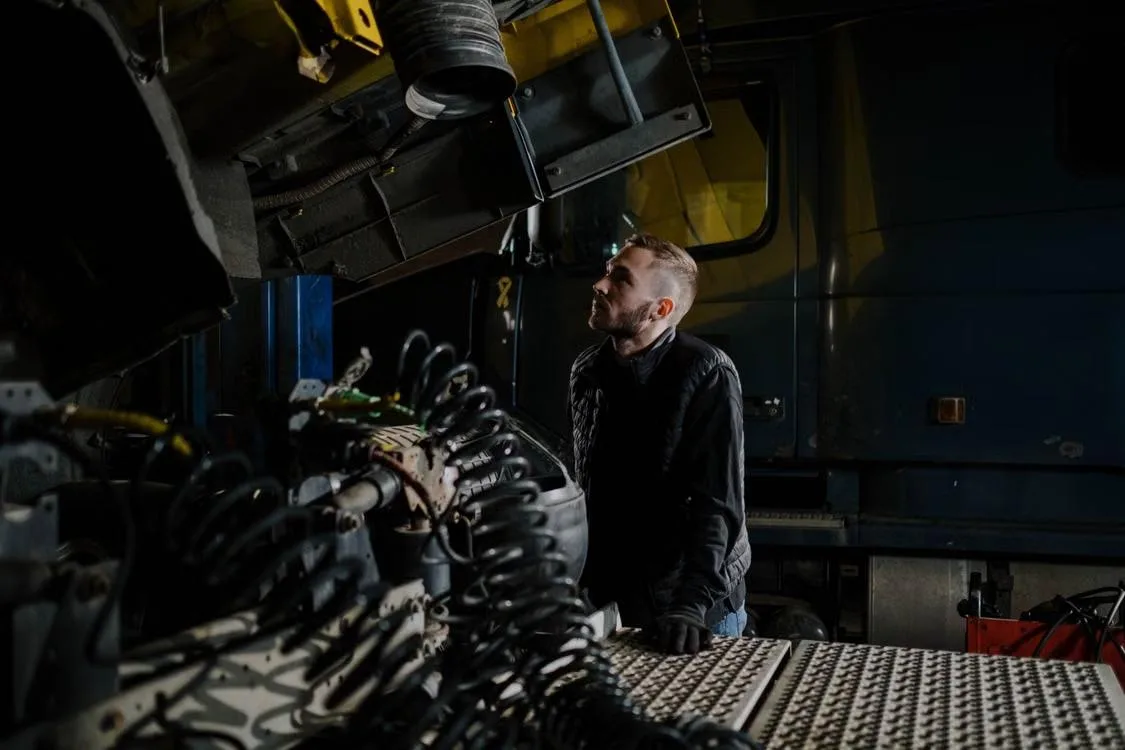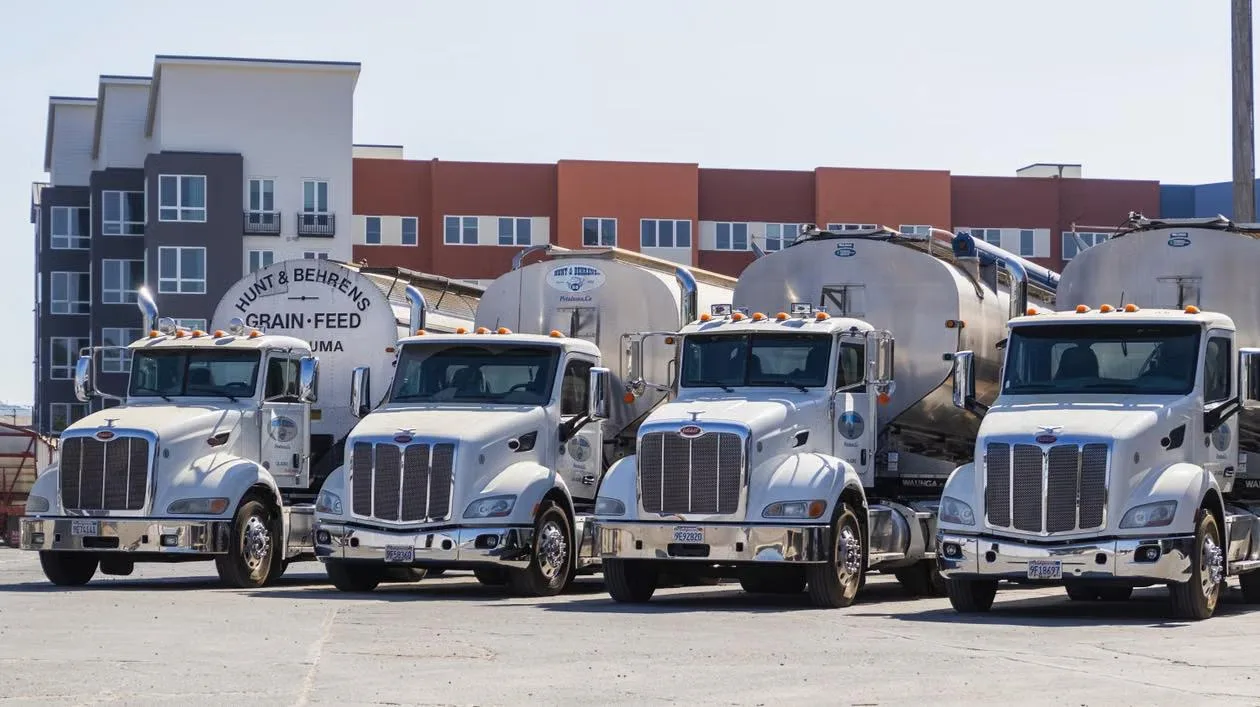
Picture a fleet with three maintenance yards. At the first, a purpose-built support hangs at every bay. At the second, technicians use cribbing and whatever blocks they can find. At the third, it depends on who is working that shift.
All three yards belong to one company. Only one of them has a standard.
For fleets that run more than one location, consistency is a safety tool in itself. This article looks at how standardized dump truck safety equipment and shared procedures help multi-site operations close that gap.
We will cover how drift starts, what consistent expectations look like, and how a fleet can roll out a shared standard one yard at a time.
Why Multi-Site Operations Drift Apart
Drift rarely starts with a bad decision. It starts with small local ones:
· Local purchasing: Each yard buys what is available, affordable, or familiar.
· Local habits: Techniques pass from one technician to the next without review.
· Staff movement: A technician who transfers meets different tools and expectations.
· Uneven availability: One yard stocks plenty of support equipment, while another shares a few units across bays.
Over time, a fleet ends up with several informal safety programs under one name. That is why truck safety equipment is worth deciding at the fleet level rather than yard by yard.
The cost of drift shows up in small ways first. A supervisor cannot assume what a new yard has on hand. A transferred technician has to relearn the routine. A fleet manager reviewing practices across sites compares three different answers to the same question.
What Consistent Expectations Look Like
Some safety rules already treat mechanical securing as baseline. For example, surface mining regulations in 30 CFR 56.14211 state that people must not work under a raised component of mobile equipment until it is blocked or mechanically secured to prevent accidental lowering. Fleets serving quarries and aggregate sites will recognize that language.
The expectation behind dump truck bed safety should not change from one yard to the next. OSHA’s guidance on coordinating safety across employers warns that inconsistent safety policies can make workers question a program’s credibility. That guidance addresses worksites with more than one employer, but the lesson carries over to a fleet with several yards.
Putting the expectation in writing helps. When every yard works from the same short rule, supervisors can enforce it without debate, and technicians know what to expect wherever they are assigned.
The Four Parts of a Standardized Toolkit
· Equipment availability: Every yard keeps the same support equipment on hand, in quantities that match its bays and the trucks it services.
· Internal expectations: One written rule applies everywhere: a raised dump bed is mechanically supported before anyone goes beneath it.
· Site-level implementation: Each yard names a lead responsible for stocking, inspecting, and enforcing the standard.
· Operational consistency: Inspection, installation, and training steps match across locations, so transfers do not start over.
None of these four parts is expensive on its own. The value comes from applying all of them the same way at every location, so the standard belongs to the fleet and not to any one yard.
Where a Standardized Mechanical Support Fits
BedLock Safety Products, LLC makes truck repair safety equipment designed to hold a raised dump bed upright so technicians can clean, repair, and maintain the truck. These are shop systems, not equipment for cargo hauling or on-road use.
Multi-site fleets often run mixed frames, and the range reflects that:
· BL-450A/B: Fits frames up to 4½" and comes with an “A” or “B” top. It is the most popular size for repair shops, so it is a common starting point.
· BL-600A/B, BL-700B, and BL-800B: Cover wider frames up to 8".
· BLN-450A/B: A made-to-order notched version for trucks with limited frame access.
BedLock systems are engineered with two chains, hooks, and a double key slot retention plate. A fleet can match dump truck safety stands to each yard’s frames without bringing in unrelated equipment, and a transferred technician sees familiar hardware. With that in place, dump body safety becomes a repeatable routine instead of a local custom.
Rolling It Out Site by Site
1. Audit each yard: Note frame widths, bay counts, and the support equipment now in use.
2. Match models to frames: Choose systems by the trucks each location services.
3. Write one procedure: Keep it to a page covering raised-bed work.
4. Name a site lead: Make one person accountable at every location.
5. Review and adjust: Compare notes across yards after the first few months.
Starting with a single pilot yard is also an option. Once its procedure and equipment list work in practice, the same package can be copied to the next location with fewer surprises.
Talk With a Truck Repair Safety Equipment Manufacturer
Fleets with several locations can contact BedLock Safety Products, LLC for a recommendation on the right BedLock systems for each yard’s frames and a firm freight quote. As a truck repair safety equipment manufacturer, the team also takes custom order requests. Share how many yards you run and the frame widths at each, and the team can help narrow down which models fit.
About the Author
Laura B. is a freelance writer who covers fleet operations, maintenance management, and workplace safety for trade publications and business blogs. She focuses on practical ways transportation companies can bring consistency to equipment, procedures, and training across multiple locations, with an eye on clear, workable standards.