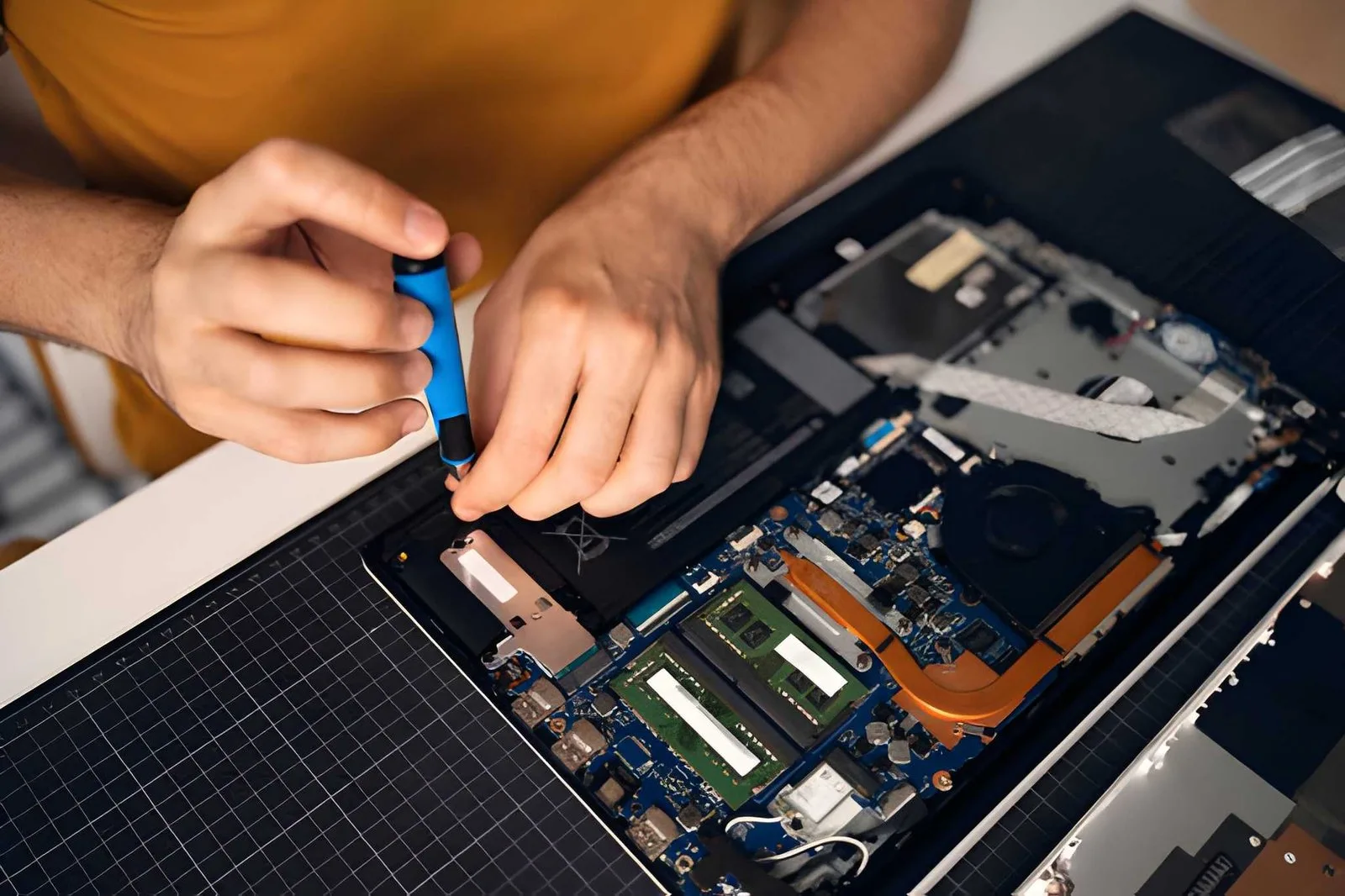

Enterprises pursuing digital transformation often focus on introducing new technologies, automation, and analytics to improve speed and responsiveness. While these initiatives deliver visible gains, they frequently rest on operational foundations that have accumulated complexity over years of incremental change. Legacy customisations, disconnected integrations, and manual workarounds gradually erode the clarity of core enterprise systems. In this context, building a clean digital core has emerged as a strategic priority for organisations seeking sustainable digital growth. SAP Business Suite plays a central role in enabling this shift by providing an integrated platform for aligning core enterprise processes within a structured operational framework.
A clean digital core refers to an enterprise environment where core processes operate with minimal unnecessary customisation, consistent data models, and governed integration patterns. This clarity supports operational stability while enabling digital initiatives to scale more predictably. Without a clean core, digital capabilities often depend on fragile workarounds that limit long-term impact. SAP Business Suite supports the development of a clean digital core by aligning finance, procurement, supply chain, manufacturing, and sales processes on a unified platform that encourages standardisation and governance.
For enterprises operating in India, the need for a clean digital core is amplified by regulatory complexity, multi-entity structures, and rapid organisational growth. Over time, operational cores become burdened by region-specific customisations and fragmented workflows that complicate compliance and reporting. SAP Business Suite provides a foundation for rationalising these variations and establishing clearer process frameworks that support both governance and adaptability.
What a Clean Digital Core Represents in Practice
A clean digital core represents more than technical simplicity. It reflects an organisational commitment to disciplined process design, data governance, and integration management. Enterprises with clean cores experience fewer operational surprises because core workflows follow predictable patterns and data flows remain consistent across functions.
Building a clean core involves reducing unnecessary complexity introduced through bespoke customisations and ad hoc integrations. This does not mean eliminating all variations, but rather ensuring that variations are justified by business needs and governed within structured frameworks. SAP Business Suite supports this discipline by providing standard process models that can be configured to reflect legitimate operational differences while maintaining overall coherence.
Characteristics of a Clean Digital Core
Organisations working toward a clean digital core often focus on the following characteristics:
- Limited use of bespoke customisations
- Consistent master data definitions across functions
- Standardised integration patterns
- Embedded governance within core processes
- Clear ownership of process design and data management
These characteristics support a more resilient operational foundation that can adapt to change without accumulating unmanaged complexity.
Reducing Customisation Debt Through Platform Discipline
Customisation debt accumulates when enterprises introduce bespoke changes to core systems without long-term governance considerations. Over time, these customisations become barriers to system upgrades, integration with digital tools, and process modernisation. Each additional customisation increases maintenance effort and operational risk.
SAP Business Suite supports reduction of customisation debt by encouraging alignment with standard process frameworks. When organisations prioritise standard capabilities and limit bespoke changes, they maintain greater flexibility to adopt new digital capabilities and evolve operational models. Platform discipline enables enterprises to modernise processes without rebuilding foundational systems repeatedly.
For Indian enterprises managing regulatory change and market volatility, reducing customisation debt also improves responsiveness. Clean cores allow organisations to adapt regulatory reporting and compliance workflows with less disruption, supporting more predictable operational outcomes.
Benefits of Limiting Customisation in Core Systems
Limiting customisation within core platforms delivers long-term benefits that extend beyond immediate operational efficiency:
- Lower maintenance overhead for enterprise systems
- Easier adoption of new digital capabilities
- Reduced upgrade complexity
- Improved system stability
- Greater alignment with evolving process standards
These benefits strengthen the organisation’s ability to sustain digital initiatives over time.
Governing Integrations to Protect Core Integrity
Integrations play a critical role in digital ecosystems. Enterprises rely on specialised tools for analytics, workflow automation, and customer engagement. Without governance, integrations can undermine core integrity by introducing inconsistent data flows and unmanaged dependencies. Over time, poorly governed integrations contribute to the erosion of the digital core.
SAP Business Suite supports structured integration by providing frameworks for aligning transactional systems with external platforms. When integration patterns are standardised and governed, organisations can extend digital capabilities without compromising core clarity. This structured approach reduces the risk of creating brittle architectures that hinder future change initiatives.
In environments where multiple cloud and on premise tools coexist, integration governance becomes essential for maintaining a clean digital core. SAP Business Suite enables organisations to centralise core data management while allowing controlled integration with external systems.
Integration Governance Practices That Support Clean Cores
Effective integration governance helps preserve the integrity of the digital core:
- Standardised interfaces for external systems
- Clear ownership of integration design
- Defined data exchange standards
- Ongoing monitoring of integration performance
- Structured approval processes for new integrations
These practices help ensure that digital expansion does not undermine core system clarity.
Data Governance as a Foundation for Core Cleanliness
Data governance underpins the cleanliness of the digital core. When data definitions vary across systems and functions, inconsistencies propagate through reporting and analytics, eroding trust in enterprise insights. A clean digital core relies on consistent master data, clear data ownership, and disciplined data management practices.
SAP Business Suite supports data governance by maintaining shared data models across core processes. This consistency enables organisations to enforce data standards and reduce duplication across functions. Over time, disciplined data governance improves reporting reliability and supports more effective digital decision-making.
For enterprises managing regulatory reporting and audit requirements, strong data governance within the core also supports compliance. Clean data flows reduce reconciliation effort and improve confidence in statutory reporting outcomes.
How Data Governance Supports Digital Core Integrity
Data governance practices help maintain the integrity of the digital core by ensuring that core data remains reliable and consistent:
- Defined ownership of master data
- Standardised data definitions across functions
- Regular validation of data quality
- Governance frameworks for data model changes
- Alignment between data governance and process governance
These practices reinforce the cleanliness of the core and support sustainable digital growth.
Enabling Scalable Digital Capabilities on a Clean Core
Digital initiatives deliver sustained value when built on clean cores. Automation, analytics, and digital workflows depend on predictable process logic and reliable data flows. When cores are cluttered with unmanaged customisations and fragmented integrations, digital initiatives require compensatory workarounds that limit scalability.
SAP Business Suite supports scalable digital capabilities by providing a stable foundation for extending digital tools across enterprise processes. When digital initiatives integrate with a clean core, organisations experience fewer operational surprises and more predictable outcomes. This predictability supports faster scaling of digital capabilities as business complexity grows.
In fast-growing enterprise environments, scalable digital capabilities require cores that can absorb change without destabilising operations. Clean digital cores enable organisations to extend automation and analytics across functions without creating parallel process structures.
How Clean Cores Enable Digital Scale
Clean digital cores support digital scale by reducing friction between core operations and digital tools:
- More predictable integration of automation initiatives
- Improved reliability of analytics outputs
- Faster rollout of digital workflows across functions
- Reduced operational risk during digital expansion
- Stronger alignment between digital ambition and operational reality
These outcomes help organisations scale digital initiatives more confidently.
Sustaining a Clean Digital Core Over Time
Building a clean digital core is not a one-time exercise. Over time, new business requirements, regulatory changes, and digital capabilities introduce pressure to modify core systems. Sustaining core cleanliness requires ongoing governance and disciplined decision-making around customisations, integrations, and process changes.
SAP Business Suite supports sustained core cleanliness by providing structured frameworks for managing change within core systems. Organisations that establish governance mechanisms for evaluating proposed changes are better positioned to preserve core clarity as operations evolve. This discipline helps prevent the gradual reintroduction of unmanaged complexity.
In the Indian enterprise context, sustained core cleanliness supports resilience amid regulatory updates and market shifts. Enterprises that maintain clean cores can respond to change without compromising operational stability.
Practices That Help Maintain a Clean Digital Core
Enterprises that sustain clean digital cores often invest in:
- Governance frameworks for evaluating core changes
- Regular audits of customisations and integrations
- Clear principles for core versus extension design
- Ongoing alignment between business needs and core capabilities
- Continuous improvement of data governance practices
These practices help ensure that digital cores remain clean as organisations evolve.
Why Clean Digital Cores Matter for Long-Term Transformation
Clean digital cores matter because they shape the organisation’s capacity to sustain transformation over time. When core systems remain clear, integrated, and governed, digital initiatives can be layered predictably without destabilising operations. SAP Business Suite supports this clarity by providing an integrated platform for aligning core enterprise processes within a structured operational framework.
For modern enterprises, the role of SAP Business Suite in building a clean digital core lies in its ability to anchor digital ambition within operational discipline. Clean cores enable organisations to pursue innovation with confidence, knowing that core operations can support change without accumulating unmanaged complexity. Enterprises that invest in clean digital cores position themselves to sustain transformation and scale digital capabilities more effectively as complexity grows.
Frequently Asked Questions
1. What does a clean digital core mean in the context of SAP Business Suite
A clean digital core refers to an enterprise environment where core business processes operate with minimal unnecessary customisation, consistent data models, and governed integration patterns. In the context of SAP Business Suite, this means maintaining clarity in core transactional workflows so that digital initiatives can scale without being constrained by fragmented processes or unmanaged technical complexity.
2. How does SAP Business Suite help reduce customisation in core systems
SAP Business Suite helps reduce customisation by providing standardised process frameworks that meet a wide range of enterprise requirements. When organisations align with these standard capabilities and govern deviations carefully, they limit the accumulation of bespoke changes that create long-term maintenance and upgrade challenges.
3. Why is integration governance important for maintaining a clean digital core
Integration governance is important because unmanaged integrations introduce inconsistent data flows and hidden dependencies that undermine core system clarity. SAP Business Suite supports structured integration approaches that help organisations extend digital capabilities while preserving the integrity of core enterprise processes.
4. How does data governance contribute to digital core cleanliness
Data governance contributes to digital core cleanliness by ensuring consistent data definitions, clear ownership of master data, and disciplined management of data changes. When data remains reliable across enterprise functions, digital initiatives operate on a trustworthy foundation that supports scalable automation, analytics, and reporting.
5. Is building a clean digital core a one-time initiative
Building a clean digital core is most effective when treated as an ongoing discipline rather than a one-time initiative. Continuous governance of customisations, integrations, and data models helps organisations preserve core clarity as business requirements and digital capabilities evolve over time.