In the evolving world of dentistry, the role of specialized professionals is becoming increasingly important for comprehensive oral health care. Among these specialists, prosthodontists play a unique and vital role. While general dentists address routine dental care, prosthodontists focus on restoring and replacing teeth, ensuring both function and aesthetics are optimized. Their work goes far beyond cosmetic appeal—it can profoundly impact confidence, nutrition, speech, and overall quality of life.
Understanding Prosthodontics: More Than Just Teeth Replacement
Prosthodontics is a dental specialty dedicated to restoring missing or damaged teeth with precision, artistry, and advanced technology. Prosthodontists are experts in designing crowns, bridges, dentures, and dental implants, ensuring that each restoration fits seamlessly with a patient’s bite, jaw alignment, and facial structure. Unlike general dentistry, which primarily addresses preventive care and minor restorative work, prosthodontics requires additional years of advanced training. This expertise allows prosthodontists to handle complex cases, such as patients with multiple missing teeth, severe wear, or facial trauma.
How Prosthodontists Improve Function and Comfort
A healthy smile is more than an aesthetic feature—it’s essential for daily function. Missing or damaged teeth can make chewing, speaking, and even maintaining proper jaw alignment challenging. Prosthodontists assess not only the visible teeth but also the underlying bone, gums, and bite mechanics. Through customized restorations, they restore proper function, reduce discomfort, and prevent complications like jaw strain, uneven wear, and digestive issues from improper chewing. Every treatment is tailored to enhance comfort, efficiency, and oral health.
The Intersection of Aesthetics and Oral Health
Modern dentistry increasingly emphasizes the connection between appearance and self-confidence. Prosthodontists are trained to harmonize dental restorations with the natural contours of the face, gum lines, and remaining teeth. Whether creating a single crown or a full-mouth reconstruction, they consider symmetry, color, and proportion to achieve a natural, pleasing appearance. Beyond beauty, these restorations support oral health by preventing adjacent teeth from shifting and protecting the jawbone from deterioration—highlighting the balance between aesthetics and function in modern dentistry.
Advanced Technologies in Prosthodontics
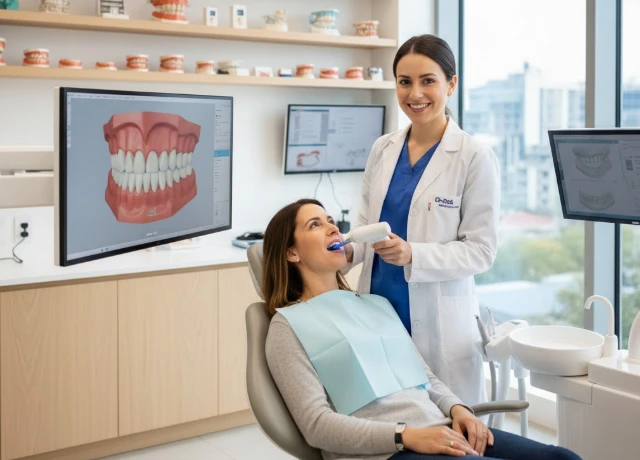
Prosthodontists leverage cutting-edge technologies to provide precise, long-lasting results. Digital scanning, 3D printing, and CAD/CAM systems allow for highly accurate restorations that fit perfectly the first time, minimizing discomfort and adjustments. Dental implants, a cornerstone of modern prosthodontics, offer durable, lifelike replacements for missing teeth, preserving bone density and facial structure. These technologies not only improve treatment outcomes but also enhance the patient experience by reducing appointment times, discomfort, and recovery periods.
Addressing Complex and Life-Changing Cases
Some patients face challenges that extend beyond routine dental issues—congenital defects, severe trauma, or degenerative conditions can dramatically affect oral function and appearance. Prosthodontists are equipped to manage these complex cases, often working alongside oral surgeons, periodontists, and orthodontists to develop comprehensive treatment plans. Their expertise allows patients to regain function, confidence, and quality of life, often transforming how they eat, speak, and interact socially.
Prosthodontics and Lifelong Oral Health
A prosthodontist’s role isn’t limited to immediate restoration; it also focuses on long-term oral health. By carefully designing restorations that distribute bite forces evenly and protect remaining teeth, prosthodontists help prevent future dental problems. Patients benefit not only from restored smiles but also from enhanced durability and reduced risk of complications, making prosthodontic care an investment in lifelong dental health.
Why Visiting a Prosthodontist Matters
Many people hesitate to seek specialized care, thinking general dentistry is sufficient for all needs. However, when complex restorations, multiple missing teeth, or aesthetic challenges arise, a prosthodontist brings a level of expertise and precision that general dentistry cannot fully provide. Their knowledge of advanced materials, biomechanics, and facial esthetics ensures that each restoration not only looks natural but also supports long-term oral and systemic health.
Conclusion: Prosthodontists as Architects of Smiles
Prosthodontists are more than dental specialists—they are architects of smiles and champions of oral health. Their work combines science, technology, and artistry to restore function, enhance aesthetics, and improve quality of life. In modern dentistry, their contributions are invaluable, offering patients solutions that are functional, beautiful, and enduring. Whether it’s a single tooth replacement or a full-mouth reconstruction, consulting a prosthodontist can make the difference between merely treating dental issues and truly transforming a patient’s oral health and confidence.