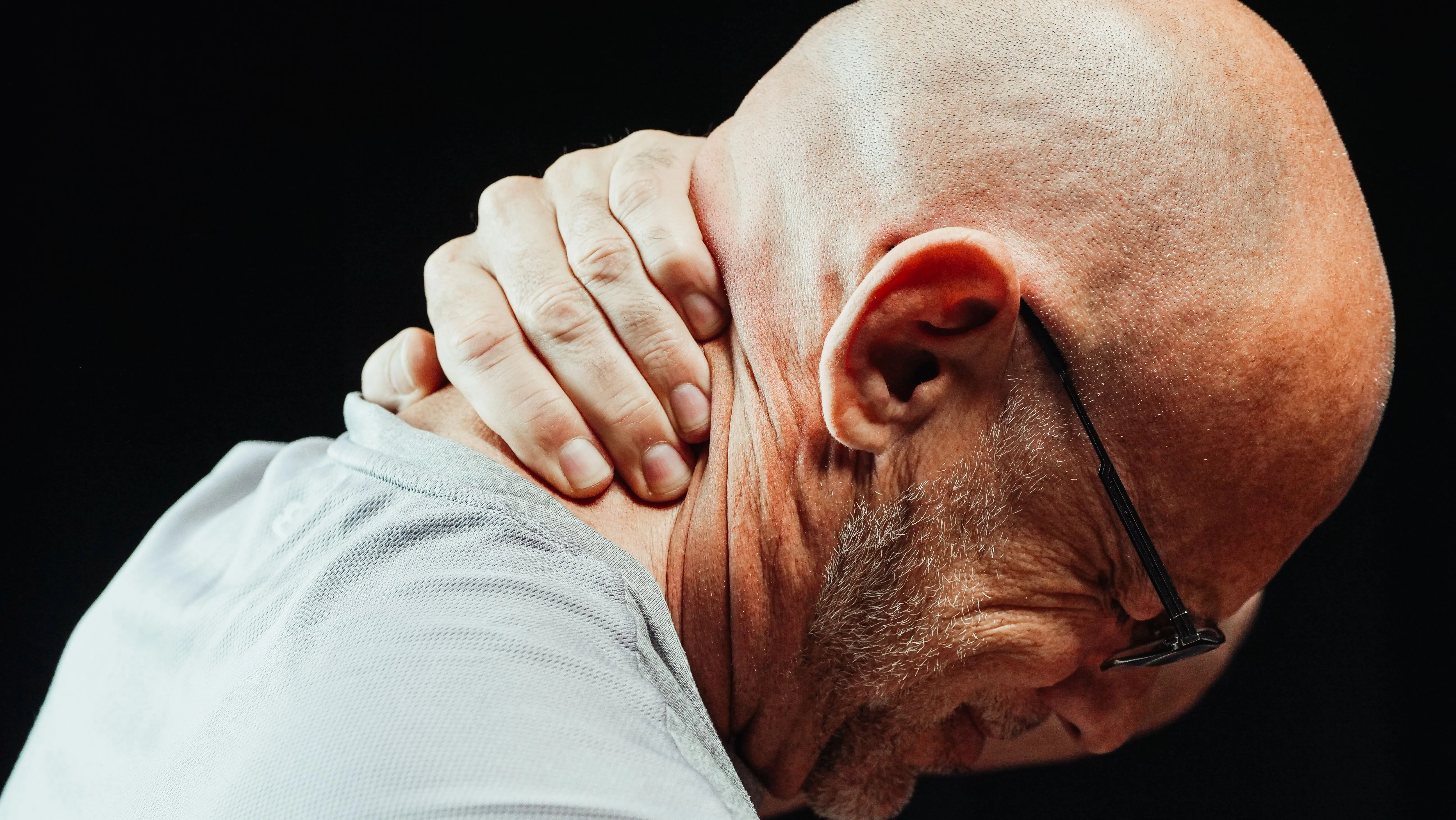
Pain has a way of slowly changing everyday life. It can begin with a small ache in the neck, stiffness in the lower back, or discomfort after a long day at work. Over time, those minor issues can turn into something much bigger — making it difficult to move comfortably, stay active, or even enjoy simple daily routines. That’s why many people seek support from an experienced physiotherapist Surrey residents trust to help restore movement, reduce pain, and improve overall quality of life.
Modern rehabilitation is no longer just about temporary relief. Today, people want long-term solutions that help them move better, feel stronger, and return to living confidently without constant discomfort holding them back.
When Pain Starts Affecting More Than Just the Body
Many individuals underestimate how deeply physical pain can affect emotional and mental well-being. Persistent discomfort often leads to frustration, stress, poor sleep, low energy, and reduced motivation. Activities that once felt simple — exercising, playing with children, sitting at work, or even getting out of bed — can suddenly become challenging.
Ignoring these warning signs usually allows the problem to grow worse. Tight muscles may lead to posture problems, limited mobility can weaken surrounding muscles, and untreated injuries may increase the risk of future complications. Seeking professional care early gives the body a better chance to recover fully and safely.
The goal of rehabilitation is not simply to treat symptoms. It is to identify what is causing the pain in the first place and create a path toward lasting recovery.
Personalized Treatment Creates Better Results
Every person’s body responds differently to pain, injury, and recovery. Two individuals with similar symptoms may still require completely different treatment approaches. This is why personalized rehabilitation plans are so important.
A professional therapist carefully evaluates movement patterns, lifestyle habits, physical limitations, and recovery goals before creating a treatment strategy. Instead of following generic routines, patients receive targeted care designed specifically for their condition and physical needs.
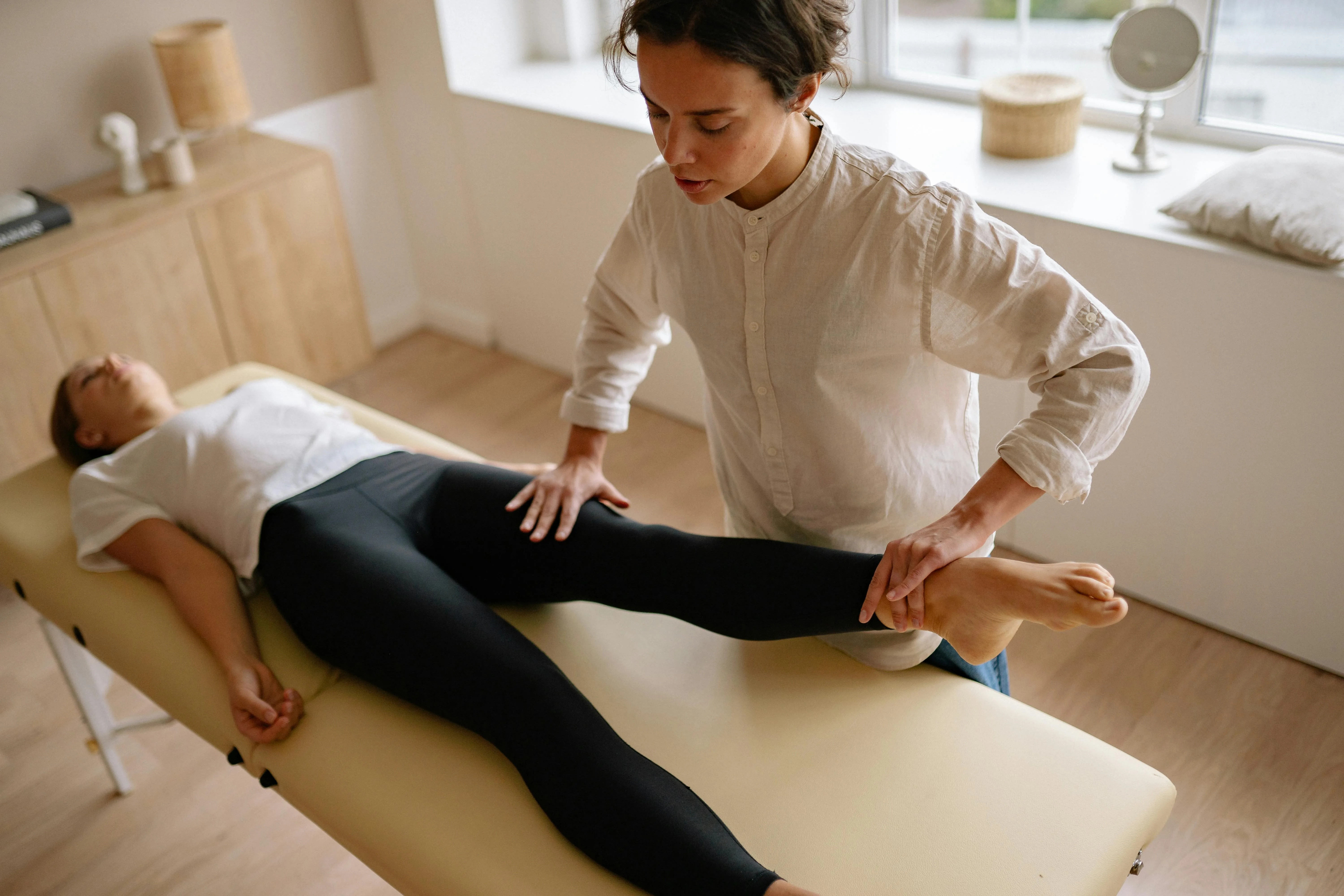
Treatment plans often include a combination of mobility exercises, stretching, strengthening programs, posture correction, and hands-on therapy. These methods work together to improve flexibility, restore muscle balance, and help the body function more naturally.
As patients begin noticing progress, they often regain confidence in their movement and become more motivated throughout the recovery process.
The Healing Benefits of Therapeutic Massage
Muscle tension and stress can place significant strain on the body. Tight muscles restrict movement, reduce circulation, and increase discomfort, especially for individuals dealing with chronic pain or physically demanding routines.
This is where support from a skilled massage therapist Surrey patients rely on can become highly beneficial. Therapeutic massage helps relax tight muscles, improve blood flow, and reduce physical stress throughout the body. It can also support faster healing after injuries or intense physical activity.
Massage therapy is commonly used alongside physiotherapy because both treatments complement each other naturally. While rehabilitation exercises help rebuild strength and movement, massage therapy helps prepare the muscles and soft tissues for recovery by reducing tension and improving flexibility.
Together, these therapies create a more complete and balanced healing experience for patients.
Supporting Recovery for Different Conditions
People seek rehabilitation support for many different reasons. Some are recovering from sports injuries, while others struggle with long-term posture-related pain caused by desk jobs or repetitive work. Many patients also require treatment after surgeries, car accidents, or physically demanding activities.
Conditions such as neck pain, frozen shoulder, sciatica, arthritis, knee injuries, muscle strains, and joint stiffness can all improve with the right rehabilitation approach. Even recurring headaches may sometimes be connected to muscle tension and poor posture.
The earlier these issues are addressed, the easier it becomes to prevent long-term damage and restore normal movement patterns.
Rebuilding Confidence Through Movement
One of the most overlooked parts of recovery is emotional confidence. After experiencing pain or injury, many people become hesitant to move freely because they fear making the condition worse. Over time, this fear can reduce activity levels and create even more physical limitations.
Professional rehabilitation helps patients gradually rebuild trust in their body again. Through guided movement, structured exercises, and ongoing support, individuals begin to feel stronger, more stable, and more capable in their daily activities.
As mobility improves, many patients notice positive changes in other areas of life as well. Better movement often leads to improved sleep, higher energy levels, reduced stress, and greater overall happiness.
Recovery is not only about healing the body — it is about helping people feel comfortable and confident in their lives again.
Choosing Care That Focuses on Long-Term Wellness
Effective rehabilitation should always focus on long-term health, not just short-term pain relief. The right clinic will take time to understand each patient’s goals and create a supportive environment where progress feels achievable and encouraging.
Patients benefit most from professionals who educate them about posture, movement habits, injury prevention, and healthy physical routines. Learning how to care for the body properly can reduce the risk of recurring pain and help maintain long-lasting results.
A combination of expert guidance, personalized care, and consistent treatment can make a powerful difference in physical recovery and everyday comfort.
A Better Future Starts With the Right Support
Living with pain should never feel normal. The body has an incredible ability to heal when given the right support, treatment, and attention. Professional rehabilitation care provides people with the tools they need to recover safely, move confidently, and regain control over their physical health.
Whether someone is recovering from an injury, dealing with chronic discomfort, or simply wanting to improve mobility and strength, taking that first step toward professional care can lead to meaningful and lasting change.