Materials science is one of those fields where deep knowledge separates good products from great ones. Polyvinyl alcohol, commonly known as PVA, is a deceptively simple polymer on paper, yet its behavior changes dramatically depending on how it is processed, blended, and treated. Companies that treat PVA as a commodity rarely produce film that performs reliably across diverse applications. POLYVA has built its reputation on a different premise: that mastery of polyvinyl alcohol chemistry is the foundation of premium film production. Exploring how that expertise manifests in daily operations reveals why the company’s films consistently meet demanding specifications.
Understanding the Molecular Structure of Polyvinyl Alcohol
PVA is produced through the hydrolysis of polyvinyl acetate, and the degree to which that hydrolysis is completed shapes nearly every property of the resulting film. Fully hydrolyzed pva water soluble film manufacturers resists cold water, while partially hydrolyzed grades dissolve more readily at lower temperatures. Molecular weight influences viscosity, film strength, and dissolution speed in ways that interact with hydrolysis level. POLYVA’s chemists work with a sophisticated mental model of these relationships, allowing them to predict how adjustments will affect performance before committing to expensive production runs. This structural understanding is the bedrock on which every formulation decision rests.
Tailoring Hydrolysis Levels for Specific Performance Goals
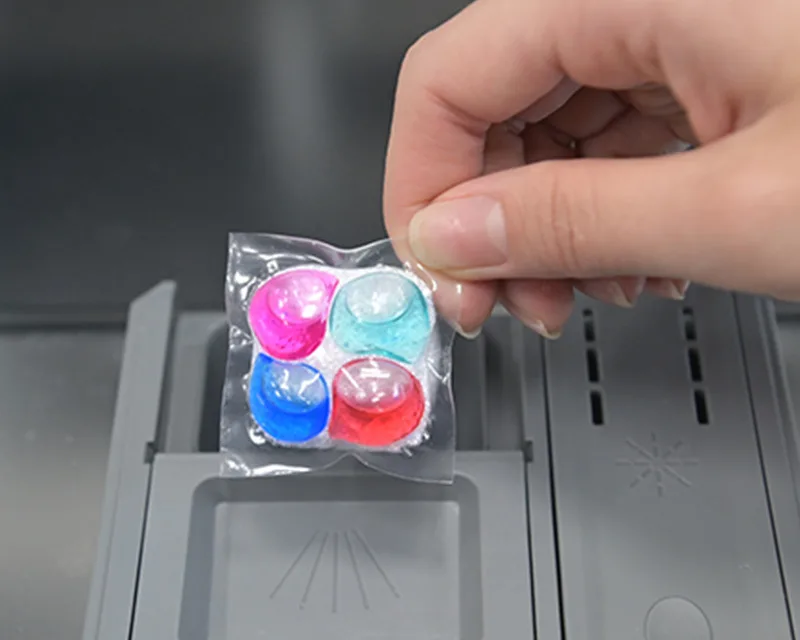
Choosing the right hydrolysis level is rarely a matter of picking a single number from a chart. Most real-world applications require a balance between competing demands. A detergent pod film must dissolve quickly in a washing machine but remain stable during months of warehouse storage in humid conditions. A pesticide sachet must resist aggressive chemical contents while still breaking down completely in a spray tank. POLYVA’s expertise lies in selecting and blending hydrolysis levels that satisfy these competing requirements, often combining multiple PVA grades to achieve behavior that no single grade could deliver alone.
The Art of Blending PVA With Other Polymers and Additives
Pure PVA film is rarely the final answer for demanding applications. Plasticizers such as glycerol improve flexibility but can affect dissolution rates. Starch derivatives, cellulose compounds, and other biodegradable polymers can be blended with PVA to modify strength, cost, or environmental profile. Surfactants influence how film interacts with water. Each additive introduces trade-offs that must be carefully managed. POLYVA’s formulators treat blending as a precision discipline, testing each combination methodically to understand its effects rather than relying on trial-and-error approaches that waste time and materials.

Controlling Processing Conditions to Preserve Polymer Integrity
Even a perfectly designed formulation can be ruined by careless processing. PVA is sensitive to temperature, shear stress, and moisture content during extrusion and drying. Excessive heat can degrade polymer chains, reducing film strength. Insufficient drying leaves residual moisture that causes blocking or premature dissolution. POLYVA’s production teams operate within tightly defined processing windows, guided by experience and continuous monitoring. This operational discipline ensures that the polymer chemistry designed in the laboratory survives intact through every stage of manufacturing, arriving in the finished film exactly as intended.
Testing and Analysis That Validate Polymer Performance
Expertise without verification is merely opinion. POLYVA supports its polyvinyl alcohol work with rigorous analytical testing that confirms films behave as designed. Thermal analysis reveals how film responds to temperature changes. Spectroscopic methods verify chemical composition. Mechanical testing measures tensile strength and elongation, while dissolution studies track how film breaks down under realistic conditions. These tests are not performed once and forgotten; they are repeated across batches to ensure consistency. The resulting data guides continuous refinement, turning each production cycle into an opportunity to deepen understanding.
Applying PVA Knowledge to Solve Customer Challenges
The practical value of polyvinyl alcohol expertise becomes most visible when clients bring unusual problems. A manufacturer might need film that dissolves in water at unusually low temperatures, or one that remains stable in the presence of a reactive chemical. POLYVA’s team draws on its accumulated knowledge to propose solutions that competitors might not consider. Sometimes the answer involves a novel blend; sometimes it requires adjusting processing conditions; occasionally it means recommending a different approach entirely. This problem-solving capability, grounded in genuine materials science, is what transforms PVA expertise from an abstract asset into tangible customer value.
Sustaining Leadership Through Continuous Learning
Polyvinyl alcohol science continues to evolve, with new research emerging on biodegradable modifications, barrier properties, and sustainable feedstocks. POLYVA invests in keeping its team current through training, conference participation, and collaborative research. This commitment to learning ensures that the company’s expertise does not stagnate but grows sharper over time. For clients, the benefit is a supplier that anticipates future needs rather than merely responding to present ones. In an industry where technical depth determines long-term viability, POLYVA’s sustained focus on polyvinyl alcohol mastery remains its most durable competitive advantage.