Pilates is a low-impact exercise method that focuses on controlled movements, core strength, flexibility, and body awareness. While it was originally developed for rehabilitation and injury prevention, it has grown into a popular fitness choice for people of all fitness levels. One of the common questions people have is whether Pilates for weight loss is effective.
Understanding How Pilates Works
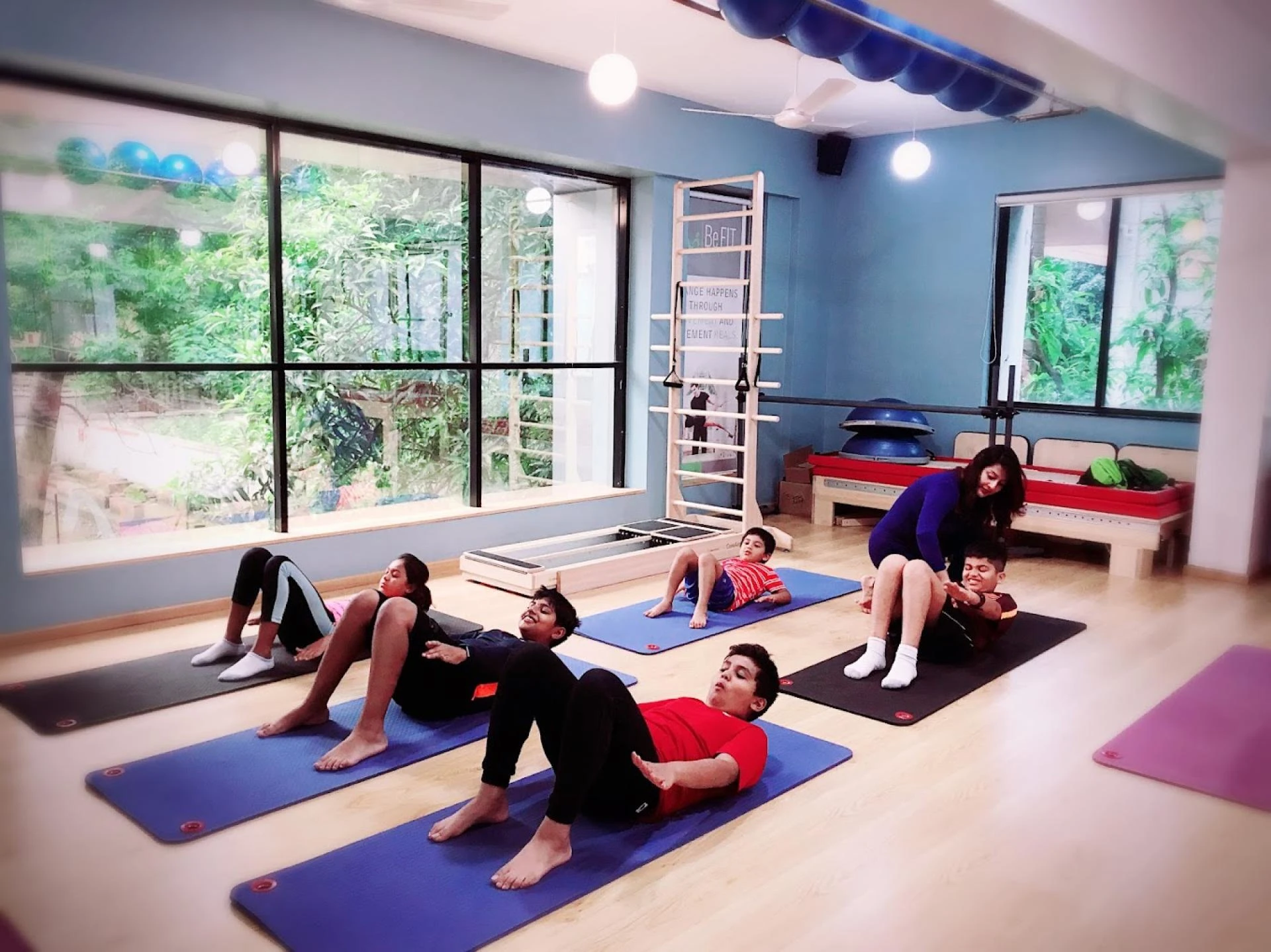
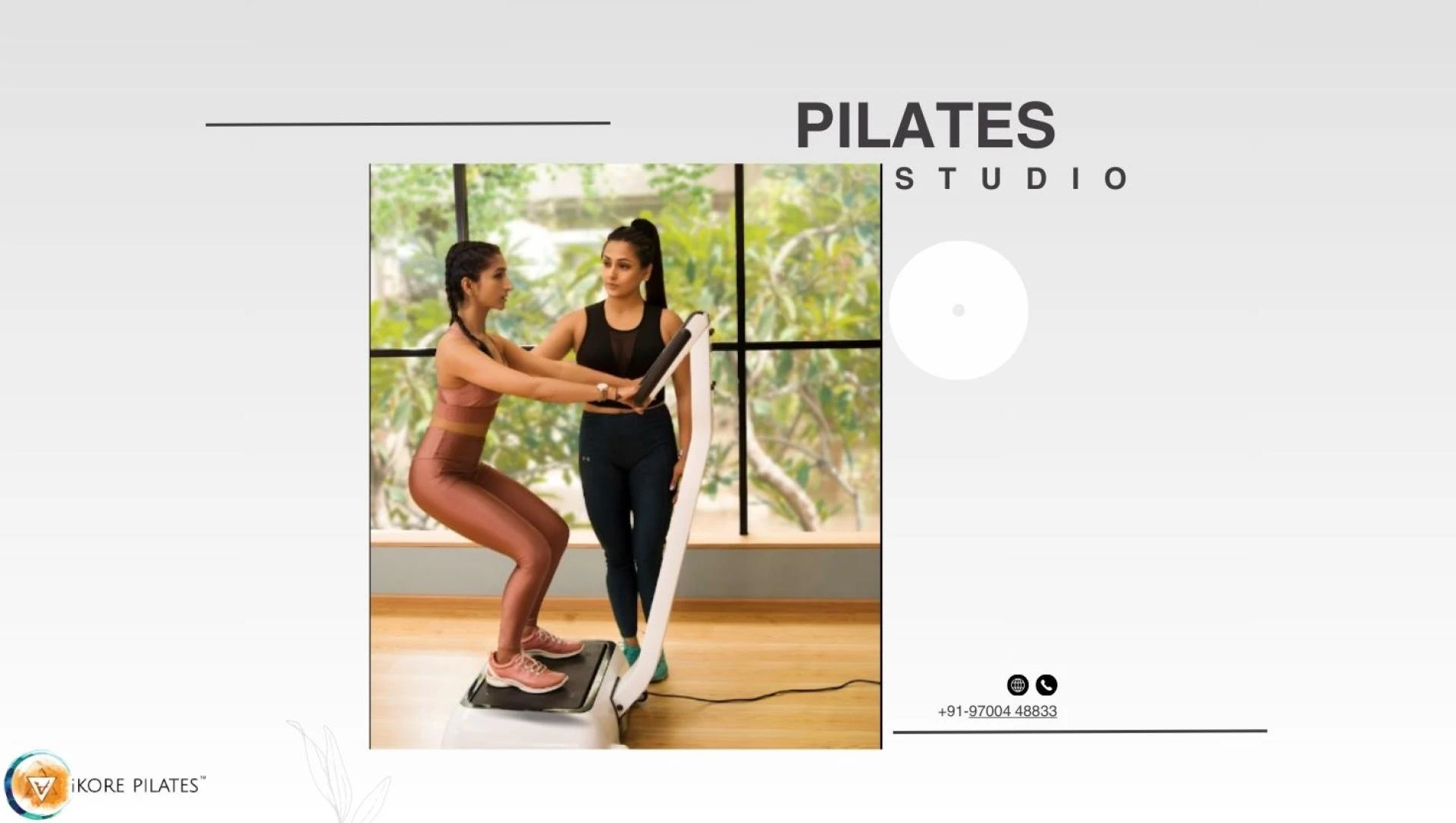
Pilates involves performing exercises that engage multiple muscle groups simultaneously. These exercises often emphasize proper alignment, posture, and breath control. The practice can be done using only a mat, but many studios also offer classes using specialized equipment such as reformers, stability chairs, and barrels.
Unlike high-intensity workouts such as running or HIIT, Pilates is gentle on the joints and focuses on precise, controlled movements. While it may not burn calories as rapidly as more intense cardio workouts, Pilates plays a valuable role in an overall weight loss plan by improving muscle tone, increasing metabolic efficiency, and enhancing body awareness.
How Pilates Supports Weight Loss
Although Pilates alone may not lead to dramatic weight loss, it contributes to a balanced and sustainable fitness routine. Here are several ways Pilates can support weight loss goals:
1. Improved Muscle Tone
Pilates targets deep stabilizing muscles that often get overlooked in traditional strength training routines. By strengthening muscles, the body becomes more efficient at burning calories even at rest. Increased muscle mass also helps improve overall metabolism.
2. Enhanced Core Strength
A strong core helps improve posture and movement efficiency, allowing for better performance in other physical activities. This improved performance can enhance calorie burn and encourage participation in more physically demanding exercises.
3. Increased Flexibility and Mobility
Improved flexibility reduces the risk of injury and makes other exercises more accessible. Pilates helps loosen tight muscles and improves joint mobility, enabling individuals to engage in more diverse types of exercise, which ultimately aids in maintaining an active lifestyle.
4. Better Mind-Body Connection
Pilates emphasizes mindfulness and body awareness. Practitioners become more attuned to their bodies, leading to better food choices, improved stress management, and increased motivation to maintain a healthy lifestyle. This holistic approach plays a significant role in long-term weight management.
5. Stress Reduction
Chronic stress can contribute to weight gain through hormonal imbalances and emotional eating. Pilates helps reduce stress by promoting relaxation and mindful breathing techniques. Lower stress levels often result in better dietary choices and improved sleep patterns, both of which contribute to effective weight loss.
Combining Pilates with Other Activities
For individuals specifically focused on weight loss, combining Pilates with other forms of exercise, such as cardio and strength training, is often recommended. Cardiovascular activities such as walking, running, cycling, or swimming burn calories and contribute directly to fat loss. Strength training enhances muscle mass, further boosting metabolism.
Pilates complements these activities by improving muscle balance, posture, and core strength. This synergy allows for better performance in high-intensity workouts while reducing the risk of injury.
Nutrition and Lifestyle Factors
Exercise is only one piece of the weight loss puzzle. Nutrition plays an equally important role in achieving sustainable results. Pilates practitioners often become more aware of their bodies' needs and develop a greater appreciation for nourishing, balanced meals.
Some key dietary principles to support weight loss include:
- Eating whole, unprocessed foods
- Prioritizing lean proteins, healthy fats, and complex carbohydrates
- Staying hydrated
- Practicing mindful eating to avoid overeating
Additionally, getting adequate sleep, managing stress, and maintaining consistency with exercise all contribute to successful weight loss.
Realistic Expectations
It's important for individuals to set realistic expectations when incorporating Pilates into their weight loss journey. While Pilates alone may not produce rapid weight loss, its benefits go far beyond the scale. Improved posture, core strength, flexibility, and stress reduction all contribute to a healthier body and mind.
For those looking to lose weight, the best approach is to combine Pilates with other forms of exercise and a balanced diet. Pilates serves as an excellent foundation, providing the strength, mobility, and mindfulness needed to sustain long-term fitness goals.
Sample Weekly Routine
For individuals interested in incorporating Pilates into a weight loss plan, here’s a sample weekly routine:
- Monday: 30-minute brisk walk + 45-minute Pilates class
- Tuesday: Strength training session + gentle stretching
- Wednesday: 45-minute Pilates session focusing on core and flexibility
- Thursday: Cardio workout (jogging, cycling, or swimming) + Pilates mat work
- Friday: Rest or light yoga
- Saturday: Strength training + 30-minute Pilates
- Sunday: Rest or leisurely walk
This balanced schedule combines Pilates with cardio and strength training for optimal weight loss and overall fitness.
Who Can Benefit from Pilates
Pilates is suitable for people of all ages and fitness levels. Whether someone is recovering from an injury, looking to enhance athletic performance, or simply seeking a low-impact workout, Pilates offers adaptable exercises to meet individual needs.
Pregnant women, older adults, and those with chronic pain or mobility issues can all benefit from tailored Pilates programs. With proper instruction, Pilates is safe and effective for nearly everyone.
Conclusion
Pilates is an excellent addition to a comprehensive weight loss plan. By improving muscle tone, flexibility, core strength, and body awareness, Pilates helps individuals move better, feel better, and make healthier choices. While not a high-calorie burning exercise on its own, Pilates contributes to overall wellness and supports sustainable weight loss when combined with proper nutrition and other forms of physical activity.
For individuals seeking a balanced, holistic approach to fitness, Pilates offers a versatile and effective solution. Whether practiced at home or in a studio, it promotes physical and mental well-being, making it a valuable component of any long-term health journey.