Introduction
In today’s digital landscape, businesses rely heavily on technology to drive operations, enhance communication, and ensure security. However, managing IT infrastructure can be complex and resource-intensive. This is where Managed IT Solutions and Managed Network Solutions come into play. These services help businesses streamline their IT operations, maintain network security, and optimize performance without requiring in-house expertise.
This article explores the significance of managed IT and network solutions, the various types of network devices involved, and the benefits these services offer to organizations of all sizes.
What Are Managed IT Solutions?
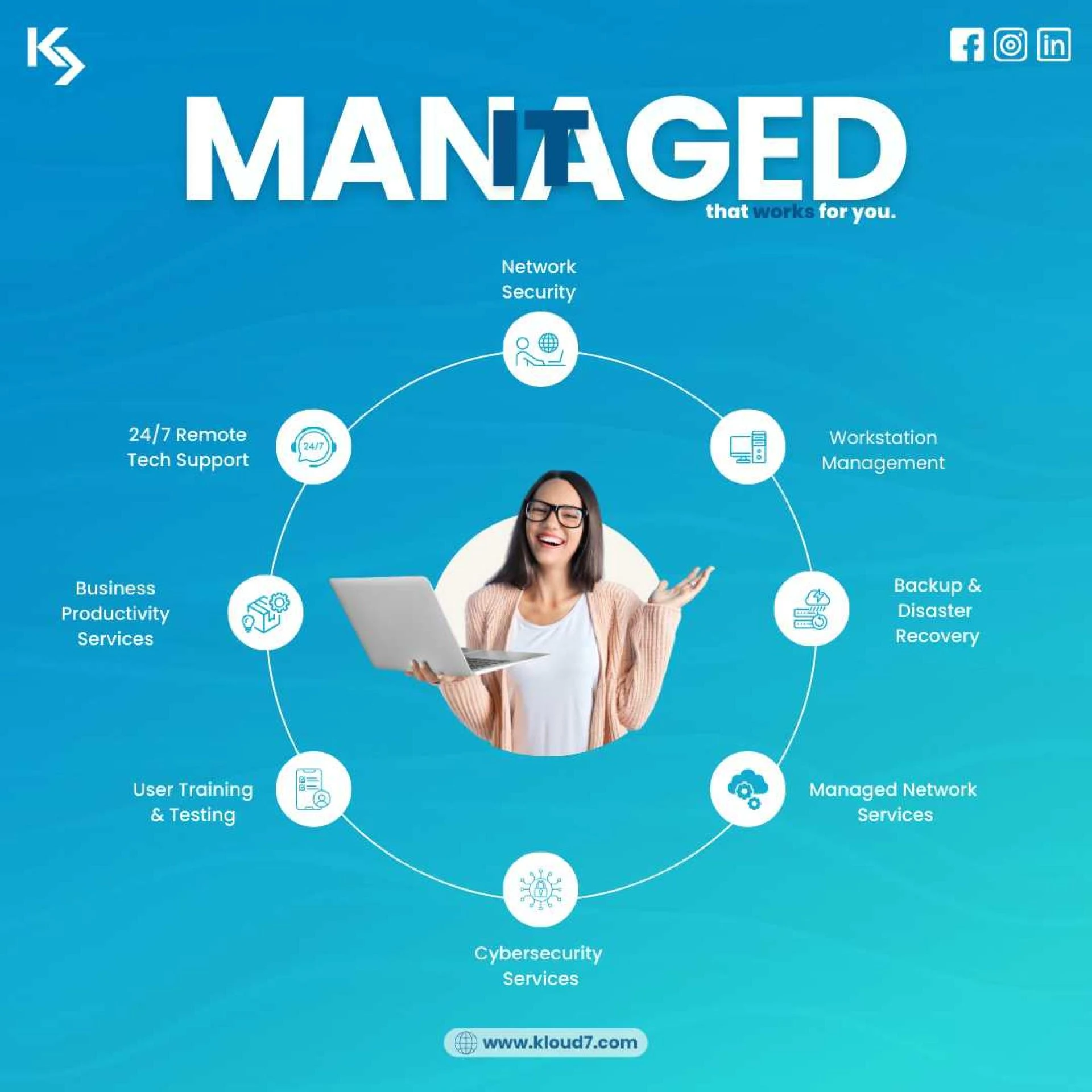
Managed IT Solutions refer to outsourced IT services that handle various aspects of a company’s IT infrastructure. These services include network monitoring, cybersecurity, cloud computing, data backup, software updates, and IT support. Managed IT service providers (MSPs) ensure that businesses can operate efficiently without experiencing downtime or security breaches.
Key Features of Managed IT Solutions
Proactive Monitoring and Maintenance
- MSPs continuously monitor networks and systems to detect and resolve issues before they escalate.
Cybersecurity Management
- Implementation of firewalls, antivirus software, and intrusion detection systems to protect against cyber threats.
Cloud Computing and Storage
- Secure cloud-based solutions for data storage, collaboration, and business applications.
Data Backup and Disaster Recovery
- Automated backups and recovery plans to prevent data loss due to system failures or cyber-attacks.
Help Desk Support
- 24/7 support for technical issues, ensuring minimal downtime for employees.
By utilizing managed IT solutions, businesses can focus on their core operations while experts handle their IT infrastructure efficiently.
Understanding Managed Network Solutions
Managed Network Solutions specifically focus on the maintenance, security, and performance of an organization’s network infrastructure. These services are critical for businesses that rely on uninterrupted network connectivity to operate efficiently.
Key Components of Managed Network Solutions
Network Monitoring and Optimization
- Continuous surveillance of network traffic to identify bottlenecks and optimize performance.
Security and Threat Prevention
- Implementation of security protocols to protect sensitive data from cyber threats.
Remote and On-Site Support
- Assistance in resolving network issues remotely or through on-site visits when necessary.
Network Design and Implementation
- Customization of network architecture to meet business needs, including LAN, WAN, and cloud-based networks.
Scalability and Upgrades
- Ensuring that the network infrastructure evolves with business growth, including hardware and software upgrades.
Types of Network Devices in Managed IT Solutions
To effectively manage IT and network solutions, businesses rely on various network devices. These devices ensure smooth communication, data transfer, and security across IT infrastructure.
1. Routers
- Direct network traffic between devices and connect businesses to the internet.
- Enable secure VPN connections for remote access.
2. Switches
- Connect multiple devices within a local network (LAN) for seamless communication.
- Available in managed and unmanaged varieties.
3. Firewalls
- Act as security barriers to prevent unauthorized access and cyber threats.
- Can be hardware- or software-based.
4. Access Points
- Extend Wi-Fi coverage and allow wireless devices to connect to a network.
- Essential for businesses with large office spaces or remote locations.
5. Modems
- Convert digital data from computers into signals for transmission over telephone lines or cable networks.
6. Network Servers
- Store and manage business data, applications, and user access permissions.
- Critical for hosting business applications and cloud computing services.
7. Load Balancers
- Distribute incoming network traffic across multiple servers to prevent overload and improve performance.
Benefits of Managed IT and Network Solutions
Implementing managed IT and network solutions provides businesses with numerous advantages, helping them enhance security, reduce operational costs, and improve overall efficiency.
1. Enhanced Security
- Continuous monitoring and security updates reduce the risk of cyber threats.
- Encryption, firewalls, and VPN solutions safeguard sensitive data.
2. Cost Savings
- Reduces the need for an in-house IT team, lowering staffing costs.
- Predictable pricing models help businesses budget more effectively.
3. Improved Efficiency and Productivity
- Reduces downtime with proactive maintenance and rapid issue resolution.
- Employees can focus on core tasks instead of troubleshooting IT problems.
4. Scalability and Flexibility
- Managed solutions can scale with business growth, adapting to increased demand.
- Flexible service plans allow businesses to choose the level of IT support they need.
5. Compliance and Risk Management
- Ensures that businesses meet industry regulations for data protection and cybersecurity.
- Reduces the risk of fines and legal issues related to IT compliance.
Conclusion
Managed IT Solutions and Managed Network Solutions are essential for businesses looking to optimize their IT infrastructure, enhance security, and improve operational efficiency. By leveraging these services, companies can reduce downtime, lower costs, and focus on their core competencies. Additionally, understanding the types of network devices used in IT management helps businesses make informed decisions when upgrading or maintaining their IT systems.
Investing in managed IT and network solutions is a strategic move that ensures long-term business success in today’s technology-driven world. Whether a small business or a large enterprise, adopting these solutions can provide a competitive edge and secure IT infrastructure.