Introduction
Large-scale building projects require far more than skilled labor and quality materials. Whether constructing commercial towers, manufacturing facilities, airports, hospitals, or infrastructure projects, success depends heavily on the machinery used throughout the construction process. Heavy equipment allows contractors to move significant quantities of material, complete tasks with greater precision, and maintain project schedules that would otherwise be impossible through manual labor alone.
Modern construction sites are carefully coordinated environments where multiple types of machinery often operate simultaneously. From site preparation and excavation to lifting structural components and finishing work, heavy equipment serves as the backbone of large-scale construction operations. As projects continue to grow in complexity and size, the importance of these machines only becomes more apparent.
Large Equipment Makes Site Preparation Possible
Before construction can begin, the project site must be properly prepared. This phase often involves clearing vegetation, removing existing structures, grading land, and excavating areas for foundations and utilities. Heavy equipment plays a critical role in accomplishing these tasks efficiently.
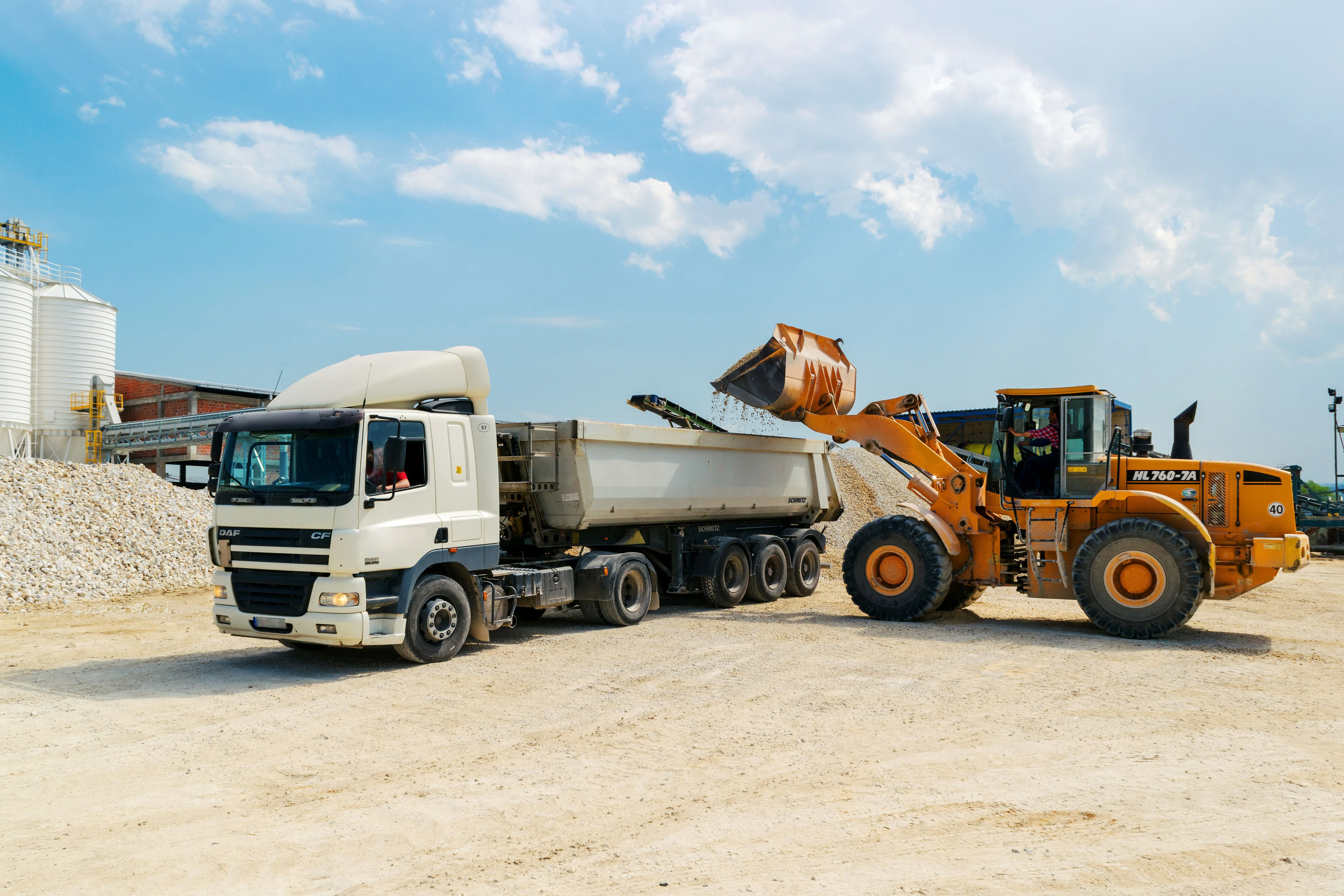
Bulldozers are commonly used to move soil and debris while creating a level working surface. Excavators handle digging operations for foundations, trenches, and underground infrastructure. Loaders and dump trucks transport materials across the site, allowing crews to maintain steady progress during the early stages of construction.
Without these machines, preparing a large site could take months longer and require significantly more labor. Heavy equipment enables contractors to create safe and stable conditions before major structural work begins, helping establish a solid foundation for the rest of the project.
Lifting and Material Handling on Modern Construction Sites
As buildings grow taller and designs become more sophisticated, lifting capabilities become increasingly important. Cranes are among the most recognizable pieces of heavy equipment on major construction projects because they allow workers to move massive materials to precise locations.
Tower cranes can lift steel beams, concrete panels, HVAC equipment, and other large components hundreds of feet into the air. Mobile cranes offer flexibility for projects that require frequent repositioning. Telehandlers and forklifts assist with moving materials throughout the site, helping maintain workflow and reduce delays.
In addition to the machinery itself, construction equipment relies on numerous engineered mechanical components that contribute to reliable performance. Parts such as bearings, couplings, and a shaft collar help support proper alignment and operation within various mechanical systems, ensuring equipment functions safely and efficiently throughout demanding construction activities.
Improving Safety and Productivity
Heavy equipment contributes significantly to both productivity and workplace safety. Construction environments often involve physically demanding tasks and potentially hazardous conditions. Machinery reduces the need for workers to perform dangerous lifting, excavation, or material-moving activities manually.
For example, excavators can dig deep trenches while keeping workers at a safer distance from unstable soil conditions. Aerial lifts provide secure access to elevated work areas, reducing risks associated with ladders and temporary platforms. Modern equipment also incorporates advanced safety technologies such as backup cameras, proximity sensors, stability monitoring systems, and operator protection structures.
From a productivity standpoint, heavy machinery accelerates nearly every phase of construction. Tasks that once required days of manual effort can often be completed in hours. This improved efficiency helps contractors meet deadlines, manage costs, and maintain project momentum from start to finish.
Supporting Specialized Construction Operations
Large building projects frequently involve specialized construction activities that require purpose-built equipment. Different stages of development demand machinery designed for specific tasks and environmental conditions.
Concrete pumps, for example, make it possible to place concrete in difficult-to-reach locations within high-rise structures. Pile-driving equipment helps establish deep foundations capable of supporting massive buildings. Road builders, compactors, and paving machines contribute to surrounding infrastructure improvements such as parking lots, access roads, and utility corridors.
Specialized equipment also allows contractors to maintain quality standards across complex projects. Precision machinery helps ensure consistent results while minimizing errors that could lead to costly repairs or schedule disruptions later in the construction process.
Technology Is Transforming Heavy Equipment
The construction industry has embraced technological advancements that make heavy equipment smarter and more capable than ever before. Modern machines often include GPS guidance systems, telematics, automated controls, and real-time performance monitoring.
GPS-enabled equipment can achieve highly accurate grading and excavation results, reducing material waste and improving efficiency. Telematics systems provide valuable data regarding equipment health, fuel consumption, operating hours, and maintenance schedules. These insights help project managers optimize machine usage and reduce downtime.
Automation is also becoming increasingly common. Certain equipment can assist operators with repetitive tasks, enhancing both accuracy and productivity. As technology continues to evolve, construction firms are finding new ways to maximize performance while improving safety and operational efficiency on large-scale projects.
Conclusion
Heavy equipment plays an essential role in every stage of large-scale building projects. From site preparation and excavation to lifting materials and completing specialized construction operations, these machines make modern development possible. Their ability to improve productivity, enhance safety, and support increasingly complex building requirements has transformed the construction industry.
As technology continues to advance, heavy equipment will remain a key driver of efficiency and innovation. Contractors who effectively utilize modern machinery are better equipped to complete projects on time, maintain quality standards, and meet the growing demands of today's construction environment.