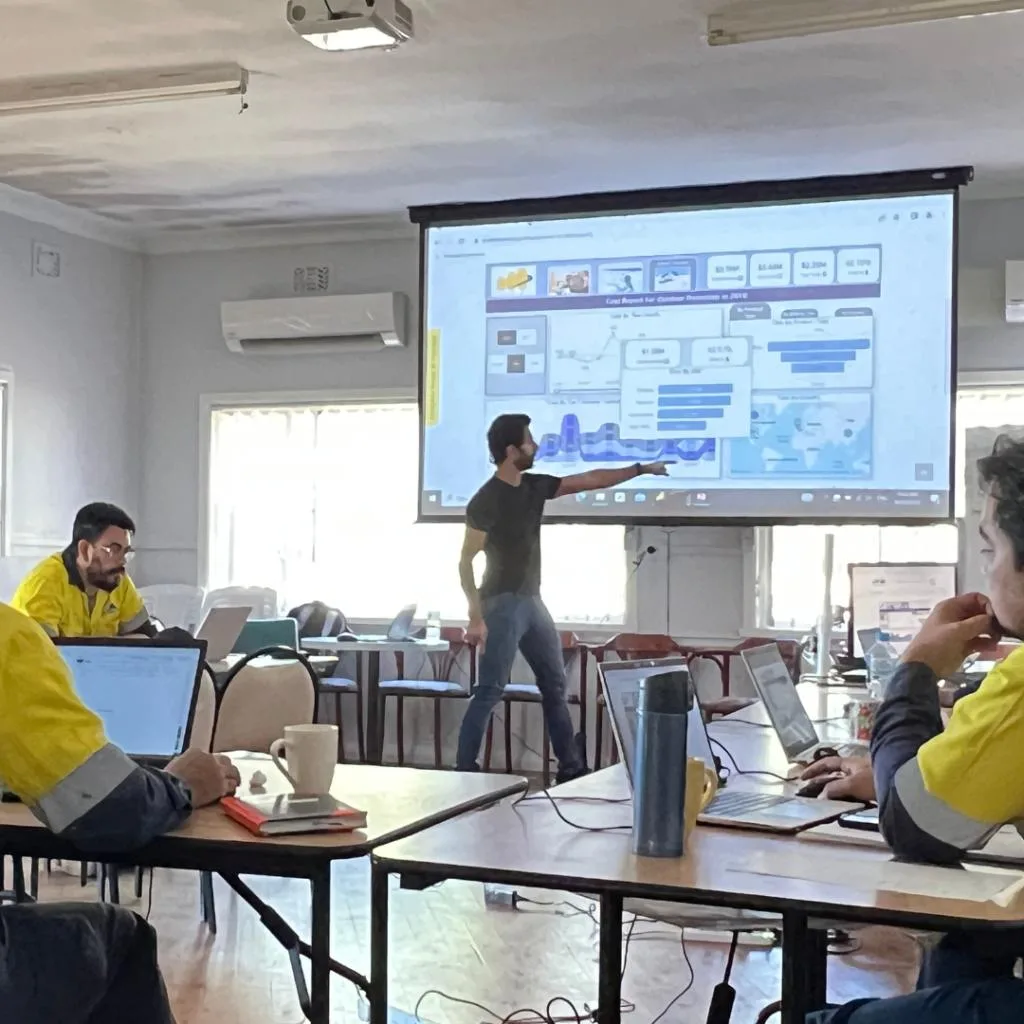
Skill development programmes help students, job seekers, and working professionals prepare for changing workplace demands. In Chennai, training providers, educational institutions, and employers need to understand whether these programmes build practical abilities and improve job readiness. Data analyst courses in Chennai can help learners understand how to assess training outcomes, while a data analytics certification in Coimbatore can support the development of skills for interpreting programme data and making evidence-based decisions.
Understanding the Purpose of Skill Development Evaluation
Skill development programmes may cover technical subjects, communication, digital tools, workplace safety, or industry-specific tasks. However, enrolment and attendance alone cannot show whether participants have gained useful skills. Evaluators need to examine what learners knew before training, what they learned during the programme, and how well they apply those skills afterwards.
For example, a programme may attract many participants but have low assessment completion rates. Another may enrol fewer learners yet achieve stronger practical results. By comparing these indicators, analysts can help programme managers understand what works, identify weaknesses, and decide where to make improvements.
Choosing the Right Performance Indicators
The first step in evaluating a programme is to define clear objectives. Depending on its purpose, useful indicators may include attendance, course completion, assessment scores, practical task performance, participant feedback, and employment outcomes. Each measure answers a different question, so evaluators should select indicators that match the programme’s goals.
Moreover, they should avoid relying on a single metric. A high completion rate does not necessarily prove that participants have mastered a skill, while a positive satisfaction survey does not guarantee workplace readiness. The data analyst courses in Chennai can introduce learners to the process of organising these measures and comparing results without confusing participation with achievement.
Collecting and Preparing Reliable Data
Programme evaluation depends on the quality of the information collected. Records may come from registration forms, attendance systems, pre-training assessments, practical exercises, feedback surveys, and follow-up interviews. Before analysing these sources, evaluators should check for missing entries, duplicate records, inconsistent formats, and unclear responses.
At the same time, they must handle participant information responsibly. Personal details should be protected, access should be limited to authorised users, and reporting should avoid exposing individual learners unnecessarily. A well-prepared dataset makes the findings more dependable and helps decision-makers distinguish genuine patterns from recording errors.
Measuring Learning Progress and Practical Skills
Pre-training and post-training assessments can show how participants’ knowledge changes during a programme. Practical demonstrations add another layer by testing whether learners can use what they have learned. For instance, a digital skills course might assess participants’ ability to organise a spreadsheet, interpret a chart, or complete a task using workplace software.
However, score differences need careful interpretation. Learners may improve because of prior experience, additional practice, or changes in assessment difficulty. Evaluators should therefore consider the training context and use consistent assessment methods wherever possible. A data analytics certification in Coimbatore can help learners build a foundation for analysing performance measures and explaining what the results can reasonably demonstrate.
Connecting Training Outcomes With Employment
For programmes designed to improve employability, evaluation should continue beyond the final class. Follow-up surveys can examine whether participants secured interviews, found work, changed roles, or applied their new skills in an existing job. Employers may also provide feedback on practical readiness, communication, and task performance.
Nevertheless, employment outcomes do not depend on training alone. Local hiring conditions, prior qualifications, experience, and the time taken to find work can all affect results. The World Economic Forum identifies skills gaps as a significant challenge for organisations adapting to changing work requirements [World Economic Forum, Future of Jobs Report]. This reinforces the importance of measuring whether training addresses relevant skill needs rather than counting placements alone.
Turning Findings Into Programme Improvements
Once the data has been reviewed, programme managers can identify specific areas for improvement. If participants consistently struggle with one practical task, trainers might add guided exercises or revise the learning materials. If attendance falls during certain sessions, organisers could investigate scheduling, travel, or access barriers before changing the programme.
These changes should also be evaluated. Comparing later cohorts, assessment results, and participant feedback can help determine whether an adjustment made a difference. Data analyst courses in Chennai can help aspiring analysts practise presenting findings through clear charts and reports, while data analytics certification in Coimbatore can strengthen their understanding of evidence-based evaluation.
Building a Data-Driven Approach to Skill Development
Effective evaluation combines numerical indicators with the experiences of learners and trainers. Dashboards can summarise attendance, completion, assessment results, and follow-up outcomes, while interviews can explain why a pattern emerged. Together, these sources give decision-makers a more balanced understanding of programme performance.
Ultimately, evaluation should lead to practical decisions, not simply produce reports. A data analytics certification in Coimbatore can help learners develop analytical thinking, and data analyst courses in Chennai can build the foundation needed to examine data, communicate insights, and support better training decisions.
Data analytics helps skill development programmes move beyond enrolment figures to examine learning, practical ability, and employment outcomes. By collecting reliable data, interpreting it carefully, and acting on the findings, Chennai’s training initiatives can become more relevant, measurable, and responsive to learners’ needs.
DataMites Institute is a leading training provider offering comprehensive programs in Power BI, Data Analytics, Data Science, Artificial Intelligence, Machine Learning, and Python. With industry-recognized certifications from IABAC and NASSCOM FutureSkills, the training focuses on practical learning through real-world projects, case studies, and hands-on assignments. Learners gain valuable industry exposure, internship opportunities, and career support services that help them build job-ready skills.
DataMites also maintains classroom training centers across major Indian cities, including Bangalore, Mumbai, Pune, Hyderabad, Chennai, Delhi, Kolkata, Coimbatore, Ahmedabad, Chandigarh, and several other locations, making quality professional training accessible to learners across the country.