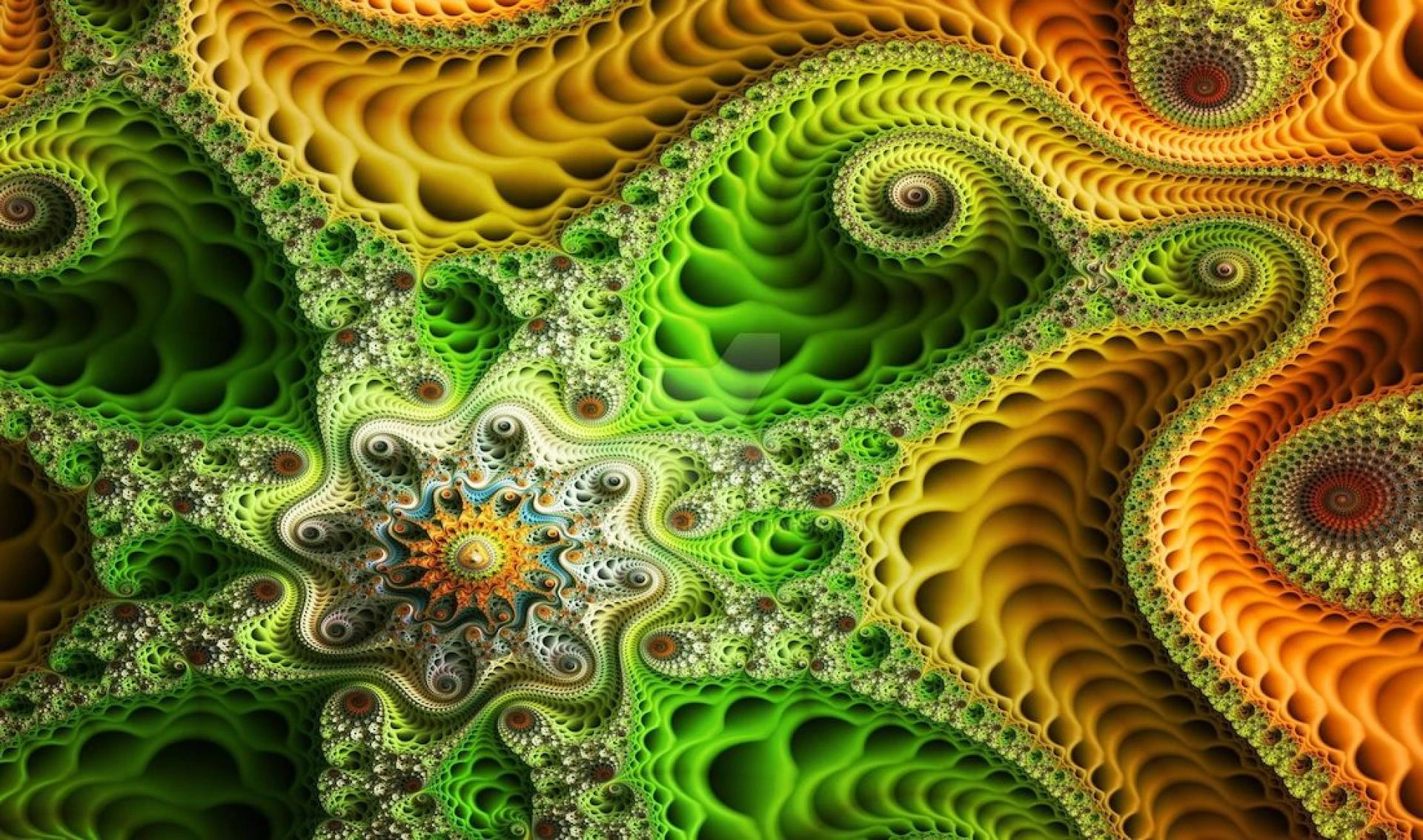
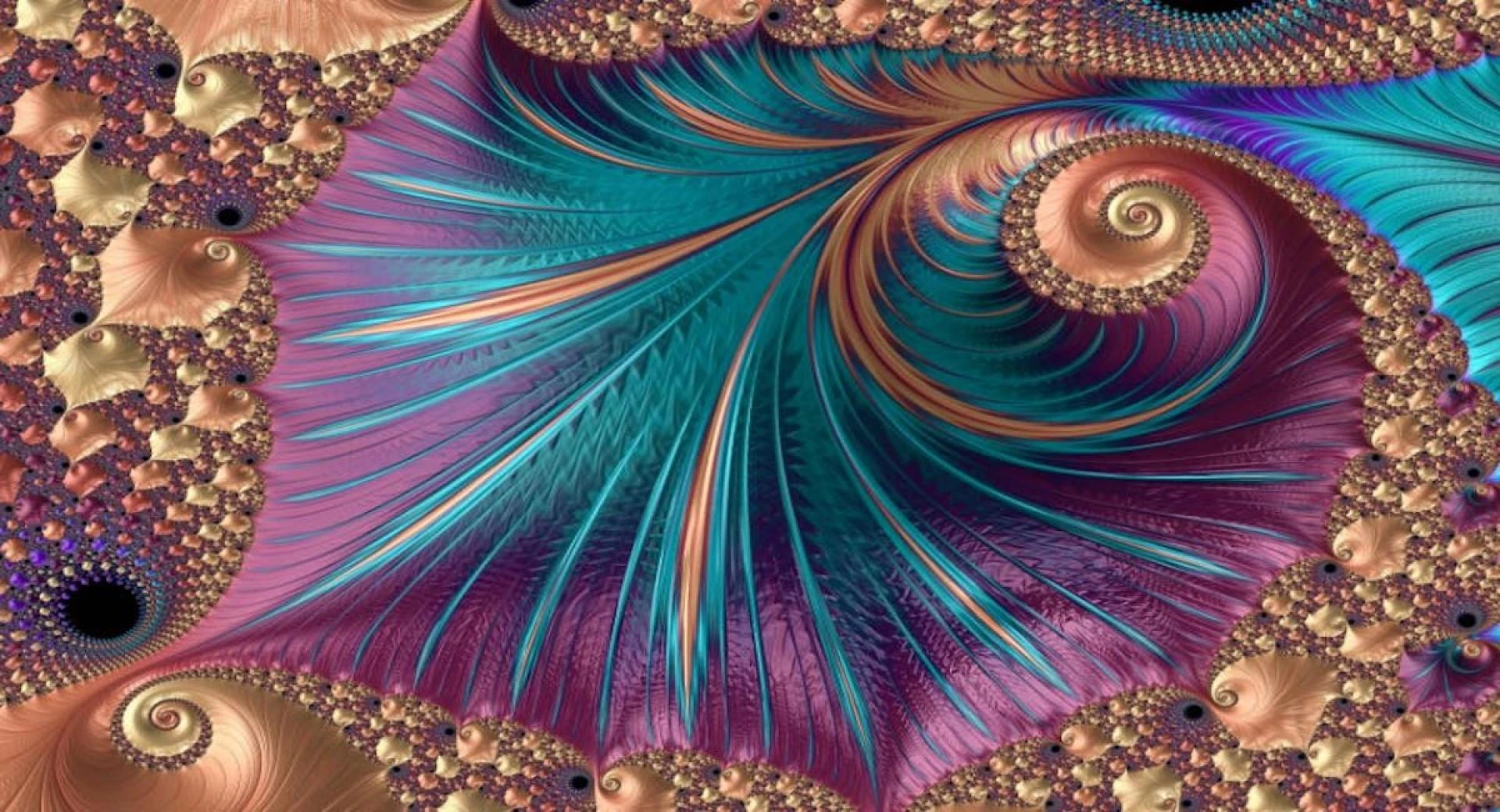
The relationship between mathematics and creativity has always intrigued artists and thinkers alike. One of the most fascinating examples of this connection is the presence of fractals in art, where mathematical precision meets visual beauty. Fractals, with their repeating and self-similar patterns, have inspired both traditional and digital artists to explore new forms of expression that captivate the eye and the mind.
Artists working with fractal artwork use formulas, algorithms, and geometric principles to generate shapes that feel infinite in their complexity. These artworks often blur the boundaries between science and aesthetics, proving that mathematical structures can produce visual pieces that resonate emotionally with viewers. By incorporating fractals into their practice, artists transform abstract concepts into tangible masterpieces.
The appeal of fractal art images lies in their hypnotic patterns and layered dimensions. Whether rendered digitally or interpreted through painting, sculpture, or mixed media, these images create immersive experiences. Many viewers describe fractal-based works as meditative, offering both serenity and a sense of wonder at the infinite possibilities that lie within repeating patterns.
Beyond individual creation, fractals in art have influenced entire movements in digital design, graphic art, and even fashion. Designers often adapt fractal structures into fabrics, stage design, and architectural elements. This widespread adoption demonstrates how fractals transcend mathematics to become a universal source of inspiration across multiple creative disciplines.
The process of Fractalization adds another dimension to artistic exploration. By applying fractal principles to existing forms—such as photographs, landscapes, or even portraits—artists can transform ordinary visuals into dynamic, multilayered compositions. This technique has gained popularity in contemporary digital art circles, as it pushes the boundaries of what can be achieved with technology and imagination.
Collectors of fractal artwork are often drawn to the uniqueness of each piece. Despite their mathematical roots, no two works are ever the same, creating a sense of individuality that appeals to those seeking originality. This uniqueness gives fractal-based art a valuable place in galleries, online platforms, and private collections.
The popularity of fractal art images has also grown due to their accessibility in the digital era. Artists can now share their works globally through online galleries, reaching audiences far beyond traditional exhibition spaces. These images often find use in music videos, immersive installations, and virtual environments, amplifying their cultural significance.
Moreover, the integration of fractals in art reflects a deeper connection between nature and creativity. Fractal patterns exist in natural forms such as trees, mountains, and coastlines. By mirroring these natural structures, artists highlight the intrinsic beauty of the world while showcasing the mathematical order within it.
As Fractalization continues to inspire new forms of experimentation, it demonstrates how art evolves alongside technology. Artists who embrace fractal methods find themselves at the forefront of innovation, redefining the ways audiences experience visual storytelling.
In conclusion, whether expressed through fractal artwork, dynamic fractal art images, or the creative process of Fractalization, fractals bring mathematics and creativity into harmony. Their growing influence shows how infinite complexity can be transformed into artistic beauty that transcends boundaries.