The fashion industry has evolved dramatically over the years, and so has the tailoring sector. Among the latest innovations is the mobile tailor, a service that brings professional tailoring directly to customers’ homes, offices, or chosen locations. This concept has gained traction due to its convenience, time-saving benefits, and personalized experience.
What is a Mobile Tailor?
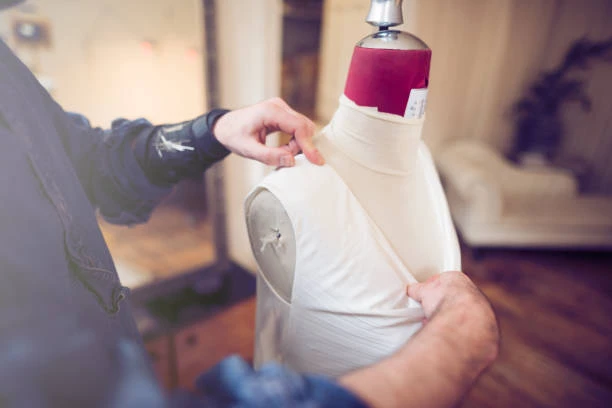
A mobile tailor is a professional who travels to clients instead of working from a fixed shop. These services include taking measurements, offering fabric consultations, making alterations, and even delivering finished garments. This approach eliminates the need for customers to visit a tailor’s shop, making it ideal for busy individuals.
How the Service Works
Mobile tailoring services are generally booked through a phone call, website, or app. The tailor schedules an appointment at the customer’s preferred location. During the visit, the tailor takes accurate measurements, discusses style preferences, and may showcase fabric samples. Once the garment is created or altered, it is delivered back to the client.
Benefits of a Mobile Tailor
Time-Saving
Customers no longer need to commute or wait in long queues.
Personalized Service
Tailors spend dedicated time understanding client needs.
Comfort and Privacy
Clients can be measured in the comfort of their own home without the rush of a shop environment.
Flexibility
Appointments can be scheduled at times that suit the client’s lifestyle.
Mobile Tailoring vs. Traditional Tailoring
While traditional tailoring requires visiting a shop, mobile tailoring eliminates travel time and offers more flexibility. However, traditional shops may have more fabric options and on-site equipment. Mobile tailors balance this by offering curated selections and partnering with specialized workshops.
Technology in Mobile Tailoring
Modern mobile tailors use digital tools to store customer measurements, track orders, and offer virtual consultations. Some services also provide augmented reality previews of designs before production begins, enhancing customer satisfaction.
Ideal Customers for Mobile Tailoring
- Busy professionals with limited free time
- People requiring urgent alterations for events
- Clients seeking a private, home-based fitting experience
- Individuals with mobility challenges
Challenges of Mobile Tailoring
While convenient, this model has limitations, such as needing to transport tools and fabrics, and possible delays in completing complex orders without a fixed workshop. Some customers may also prefer visiting a physical shop for inspiration.
The Future of Mobile Tailoring
The concept is likely to expand as more tailors embrace mobility and technology. Integration with online platforms, real-time tracking of garment progress, and same-day alterations may become standard features.
Conclusion
A mobile tailor offers a unique blend of traditional craftsmanship and modern convenience. It provides a personalized service that adapts to the fast-paced lifestyles of today’s customers. As technology and customer expectations evolve, mobile tailoring is set to become a major player in the fashion industry.