
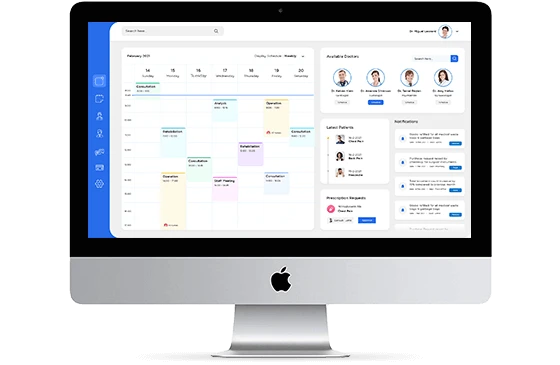
Managing appointments, staff shifts, and patient flow has always been one of the biggest challenges in the healthcare industry. With increasing patient demand and limited resources, traditional scheduling methods are no longer enough. This is where advanced healthcare scheduling software is transforming the way organizations operate.
From hospitals to clinics, digital tools are helping streamline processes, reduce errors, and improve overall efficiency. The growing adoption of HealthcareScheduling platforms reflects a broader shift toward automation and smarter workflows.
Why Scheduling is Critical in Healthcare
Scheduling in healthcare is more complex than in most industries. It involves coordinating multiple departments, managing staff availability, and ensuring patients receive timely care. A small scheduling error can lead to delays, staff burnout, and reduced patient satisfaction.
Modern healthcare scheduling solutions are designed to address these challenges by offering real-time visibility, automation, and data-driven insights. These tools help organizations move away from manual processes and embrace a more efficient approach.
The Evolution of Scheduling Technology
Traditional scheduling methods relied heavily on spreadsheets, phone calls, and manual coordination. While these methods worked in the past, they are no longer scalable.
Today’s healthcare staff Scheduling Software provides advanced features such as:
- Automated shift planning
- Real-time updates and notifications
- Conflict detection and resolution
- Integration with other healthcare systems
These features not only reduce administrative workload but also improve accuracy and efficiency.
Key Benefits of Healthcare Scheduling Software
1. Improved Patient Experience
Efficient scheduling ensures patients get timely appointments without long waiting periods. This leads to higher satisfaction and better outcomes.
2. Reduced Administrative Burden
Automation eliminates repetitive tasks, allowing staff to focus on patient care instead of paperwork.
3. Better Resource Management
With advanced healthcare scheduling systems, organizations can allocate resources more effectively, ensuring optimal utilization of staff and facilities.
4. Enhanced Communication
Real-time updates keep both patients and staff informed, reducing confusion and missed appointments.
How Technology is Changing Scheduling
The introduction of scheduling software in healthcare has brought a new level of intelligence to scheduling processes. These systems use data analytics and automation to optimize schedules based on patient demand, staff availability, and operational requirements.
For example, predictive analytics can forecast peak hours, allowing organizations to adjust staffing levels accordingly. Similarly, automated reminders help reduce no-shows, improving efficiency and revenue.
The Role of Customization
Every healthcare organization has unique needs, which is why one-size-fits-all solutions often fall short. Customized healthcare scheduling solutions allow organizations to tailor features based on their workflows, specialties, and patient requirements.
Customization also ensures scalability. As the organization grows, the scheduling system can adapt to handle increased demand and complexity.
Future Trends in Healthcare Scheduling
The future of scheduling in healthcare is driven by innovation. Some emerging trends include:
- AI-Powered Scheduling: Automatically optimizing schedules based on real-time data
- Mobile Accessibility: Allowing staff to manage schedules on the go
- Integration with Telehealth: Seamlessly managing virtual and in-person appointments
- Self-Scheduling for Patients: Giving patients more control over their appointments
These advancements are making scheduling more efficient, flexible, and user-friendly.
Final Thoughts
Efficient scheduling is the backbone of any successful healthcare organization. By adopting modern healthcare scheduling software, providers can streamline operations, improve patient satisfaction, and reduce costs.
As the industry continues to evolve, investing in advanced healthcare scheduling solutions is no longer optional—it’s essential for staying competitive and delivering high-quality care.