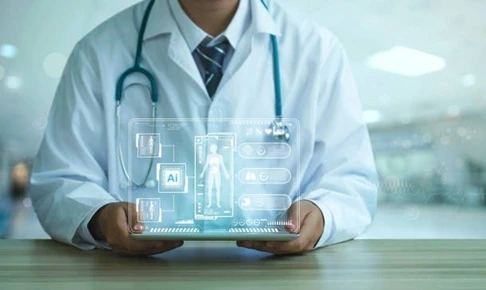
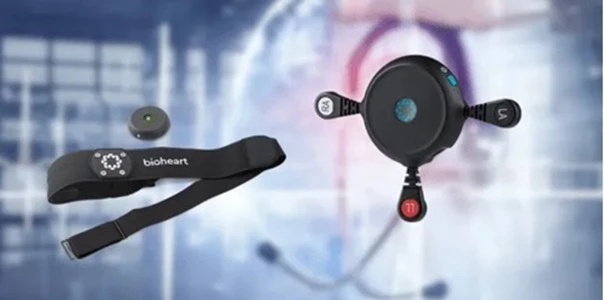
The healthcare landscape is undergoing a profound transformation, driven by technological advancements and an increasing focus on patient-centered care. Among the most significant developments in recent years is the expansion of remote patient monitoring, which allows individuals to manage chronic conditions and monitor their health from home. Companies such as Biotricity are at the forefront of this movement, providing innovative solutions that extend the capabilities of healthcare providers while empowering patients.
The Shift from Traditional Hospital-Based Care
Historically, managing chronic conditions or monitoring heart health required frequent hospital visits and in-clinic testing. While hospitals remain essential for acute care, relying solely on traditional visits often leaves gaps in monitoring. Many heart conditions, including arrhythmias and other cardiac irregularities, can occur sporadically, making them difficult to capture during short clinical assessments.
Remote patient monitoring addresses this challenge by enabling ongoing observation of patients’ heart activity outside the hospital setting. Devices such as EKG for heart and other cardiac monitoring tools provide physicians with valuable data while allowing patients to continue their daily routines. This shift represents a move toward more proactive and continuous care.
Benefits for Physicians
Physicians gain substantial advantages from remote monitoring solutions. Having access to consistent data from patients’ daily lives allows for a more comprehensive understanding of heart function. A patient who experiences intermittent palpitations or irregular rhythms can now be assessed accurately, improving diagnostic precision and guiding treatment plans.
Using tools like the best heart monitor or an EKG for heart, clinicians can detect subtle changes that may indicate the early onset of cardiovascular issues. These insights enable timely interventions and more personalized care strategies, ultimately reducing the risk of serious events such as heart attacks or strokes.
Empowering Patients Through Technology
For patients, remote monitoring provides reassurance and autonomy. Living with a chronic heart condition can be stressful, particularly when symptoms are unpredictable. Access to devices such as an EKG for heart allows patients to understand their cardiac health on an ongoing basis.
By actively participating in their care, patients are better equipped to make informed decisions about lifestyle choices, medication adherence, and follow-up visits. Subscription-based monitoring models, like those offered by Biotricity, provide continuous oversight while minimizing disruptions to daily life. This approach not only improves quality of care but also enhances patients’ confidence in managing their condition.
Preventive Care and Early Intervention
Preventive care has become a cornerstone of modern healthcare, and remote patient monitoring plays a key role in this approach. By tracking heart activity continuously, devices such as the best heart monitor enable early detection of abnormalities. Detecting changes in EKG for heart readings before symptoms escalate allows physicians to intervene proactively.
Early intervention can take many forms, from adjusting medications and recommending lifestyle modifications to scheduling additional diagnostic tests. This proactive approach significantly reduces the risk of severe complications, hospitalizations, and long-term health consequences.
Accessibility and Convenience
One of the most significant advantages of remote monitoring is accessibility. Patients no longer need to travel frequently for in-clinic assessments, which can be particularly challenging for those with mobility issues, chronic illnesses, or demanding schedules.
Devices like the best heart monitor are designed to be user-friendly, allowing patients to capture accurate cardiac readings from home. This convenience ensures that monitoring is not only consistent but also sustainable, supporting long-term health management.
Supporting Healthcare System Efficiency
Remote patient monitoring also benefits healthcare providers and systems by optimizing resource allocation. By capturing continuous cardiac data through tools like EKG for heart, physicians can identify patients who require urgent attention while monitoring others more efficiently.
This data-driven approach minimizes unnecessary hospital visits, reduces the strain on emergency services, and enhances overall efficiency. Healthcare systems can focus resources where they are needed most, improving outcomes while reducing costs.
The Future of Cardiac Care at Home
The integration of remote patient monitoring is reshaping the future of cardiology. Companies like Biotricity are demonstrating how combining advanced devices, data analytics, and subscription-based models can deliver hospital-quality monitoring in the home environment.
As technology evolves, devices such as the best heart monitor and EKG for heart systems are expected to become even more precise, intuitive, and accessible. These innovations will support preventive care, early detection, and personalized treatment plans, ensuring that patients receive timely interventions without the constraints of hospital-based care.
Conclusion
The rise of remote patient monitoring represents a fundamental shift in healthcare delivery. By bringing cardiac care from hospitals to homes, physicians can provide more continuous, proactive, and personalized care, while patients gain empowerment and confidence in managing their health.
Devices like EKG for heart and the best heart monitor play a pivotal role in this transformation, enabling early detection of abnormalities, supporting preventive strategies, and improving patient outcomes. Companies such as Biotricity are at the forefront of this evolution, demonstrating how technology can bridge the gap between traditional healthcare settings and the modern, patient-centered model of care.
Remote patient monitoring is not just a technological innovation—it is a paradigm shift that promises better health, greater accessibility, and a future where heart patients can live with greater peace of mind, knowing that their condition is continuously monitored and managed.