
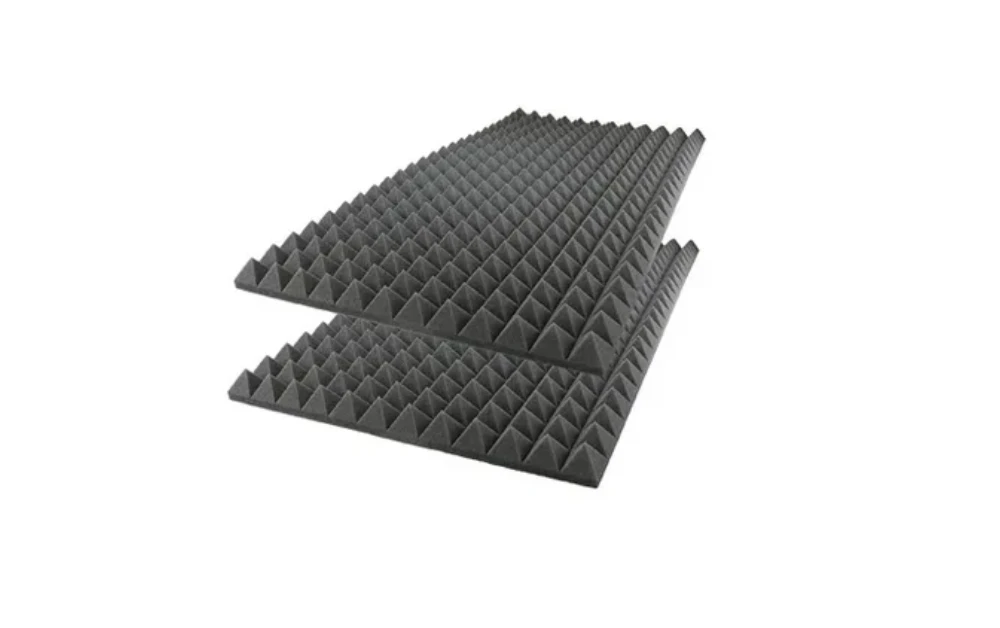
Modern living and working environments are filled with sounds that can often be overwhelming. From traffic noise filtering into homes to conversations bouncing around open office spaces, unwanted sound affects our comfort, focus, and overall well-being. This is why acoustic insulation has become an essential part of both residential and commercial design. It goes beyond simply reducing noise—it helps create environments that feel calm, private, and balanced. Understanding its impact can guide homeowners, architects, and business owners in making smarter choices for their spaces.
How Noise Affects Daily Life
Sound is more than just a background nuisance. Constant exposure to unwanted noise can disrupt concentration, increase stress, and even affect sleep quality. In offices, poor acoustic conditions can reduce productivity and make communication challenging. In homes, it can interrupt relaxation, reduce privacy, and make living spaces less enjoyable.
Experts emphasize that noise management is not just a comfort issue—it directly affects well-being and performance. Proper insulation is one of the most effective ways to address these concerns without compromising the design or functionality of a space.
How Acoustic Insulation Works
Acoustic insulation works by absorbing and blocking sound waves. It reduces the transmission of noise from one room to another and helps control echo and reverberation within a space. By using materials that capture sound energy, vibrations are minimized, creating a quieter environment.
Different types of insulation target specific needs. Some materials are dense, effectively blocking sound from passing through walls and ceilings. Others are softer and fibrous, absorbing internal noise to improve clarity and reduce echo. Often, a combination of these materials provides the most balanced results.
Applications in Residential Spaces
In homes, acoustic insulation can transform everyday living. Bedrooms, living rooms, and home offices benefit from reduced intrusion of external noise, while multi-story houses gain improved sound separation between floors. This leads to quieter sleep, more focused work, and an overall more peaceful living environment.
Homeowners also find that insulation enhances entertainment experiences. Music, home theaters, and conversations sound clearer, while external distractions are minimized. The result is a home that feels comfortable and private, regardless of activity levels.
Benefits for Commercial Buildings
Commercial spaces face unique challenges due to higher occupancy and activity. Offices, restaurants, hotels, and educational institutions all experience constant movement and sound. Without proper acoustic treatment, these environments can feel chaotic and uncomfortable.
In office settings, noise control improves concentration and communication. In hospitality and retail, it enhances customer comfort and satisfaction. Educational and healthcare facilities benefit from clear communication, reduced stress, and improved focus. Acoustic insulation ensures these benefits while allowing spaces to remain open and functional.
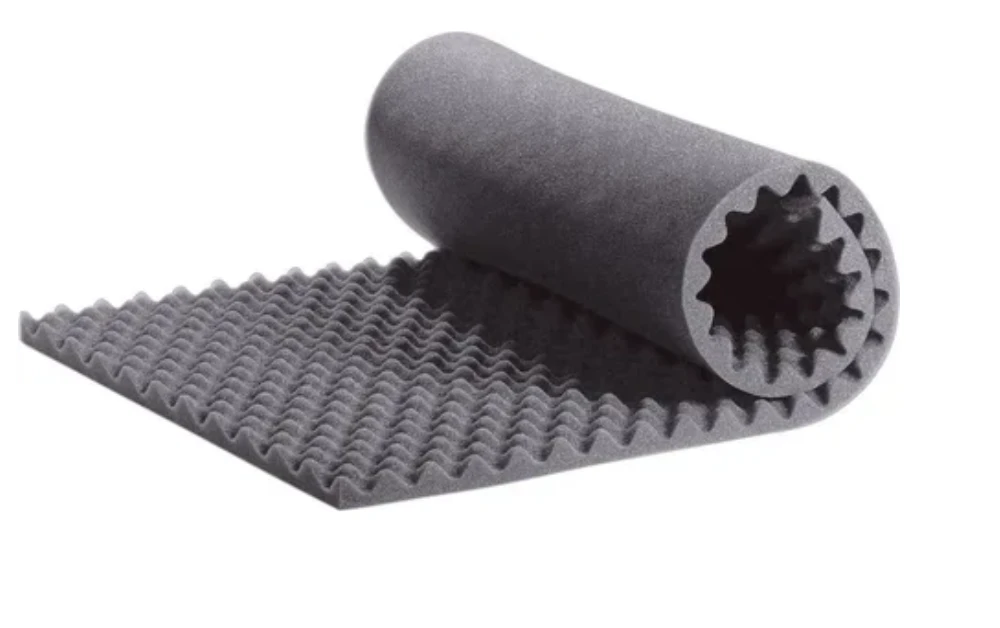
Choosing the Right Materials
Selecting the right type of acoustic insulation depends on the space and specific noise challenges. Professionals evaluate room size, layout, construction materials, and intended use before recommending solutions. This ensures that the insulation is effective without unnecessary cost or over-treatment.
Quality materials not only block and absorb sound effectively but also maintain performance over time. Choosing the right insulation guarantees long-term results and minimal maintenance requirements.
Installation and Design Considerations
Even the best insulation materials cannot perform well if installed improperly. Sealing gaps, aligning panels correctly, and ensuring proper coverage are crucial for optimal results. Poor installation can allow noise to bypass insulation, reducing effectiveness.
Modern acoustic solutions also allow for seamless integration into walls, ceilings, and partitions. Designers can maintain aesthetic appeal while improving sound quality, making acoustic treatment both functional and visually unobtrusive.
Long-Term Value and Comfort
The impact of acoustic insulation extends far beyond the initial installation. Once properly installed, it continues to enhance comfort, privacy, and usability for years. Reduced noise levels improve well-being, productivity, and satisfaction for occupants.
Some insulation materials also provide thermal benefits, contributing to energy efficiency. This adds long-term value and positions acoustic insulation as a smart investment for both residential and commercial properties.
Conclusion
Acoustic insulation plays a critical role in shaping spaces that are comfortable, functional, and visually appealing. By controlling noise, reducing echo, and improving privacy, it enhances quality of life in homes and supports productivity and comfort in commercial environments. For those looking to maximize the benefits of sound control, working with experienced professionals like Perfect Acoustics ensures a solution that is tailored, effective, and built to last.