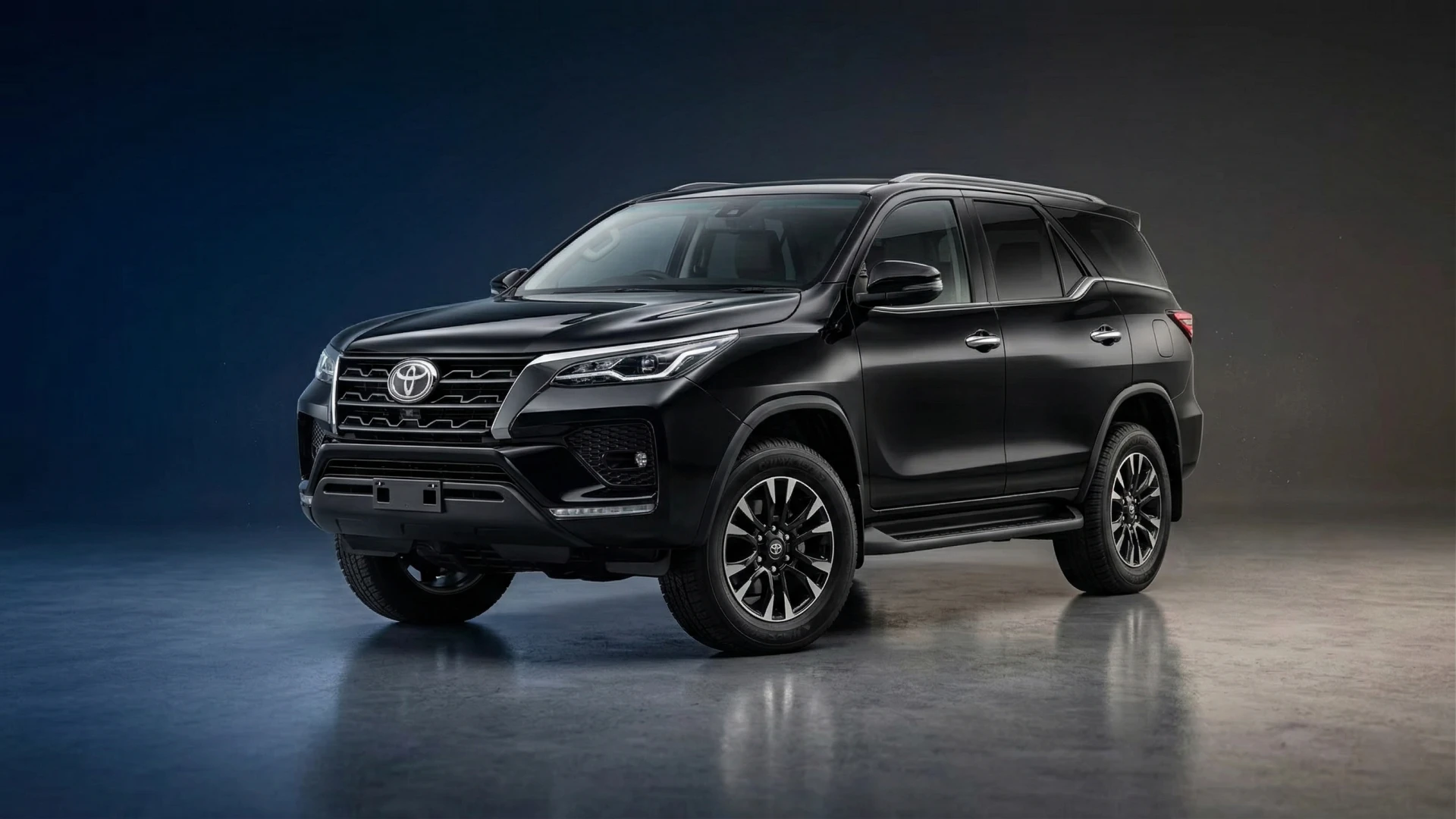
SUVs have become the default aspiration for Indian car buyers. Higher seating, road presence, and the promise of tackling rough roads make them hard to ignore. But the sticker price is only the starting point. The real cost of owning an SUV goes far beyond what you pay at the showroom.
If you are planning to buy one, or already own one, it is worth breaking down the numbers. Not just to budget better, but to understand what you are actually paying for over the years.
The Purchase Price Is Just the Beginning
SUVs sit at a higher price bracket compared to hatchbacks and sedans. Even compact SUVs now start around ₹7–8 lakh, while mid size and full size SUVs easily cross ₹15–25 lakh.
On top of the ex showroom price, you pay registration charges, road tax, insurance, and optional accessories. In many states, road tax on SUVs is higher because of their engine size or classification.
The on road price can be 10 to 20 percent higher than the listed price. For a ₹15 lakh SUV, that difference alone can be ₹2–3 lakh.
Fuel Costs Add Up Faster Than You Think
SUVs are heavier and often have larger engines. That means higher fuel consumption. Even modern compact SUVs struggle to match the efficiency of smaller cars.
A petrol SUV might deliver 12–15 km per litre in real world driving. Diesel variants can offer better mileage, around 16–20 km per litre, but come with higher upfront costs.
Let’s put this into perspective. If you drive 1,000 km a month and fuel costs around ₹100 per litre:
- Petrol SUV: roughly ₹7,000–₹8,500 per month
- Diesel SUV: roughly ₹5,000–₹6,500 per month
Over a year, the difference becomes significant. Over five years, it becomes a major chunk of your total ownership cost.
Maintenance Is Not Cheap
Routine servicing for SUVs costs more than smaller cars. Bigger engines need more oil, larger components cost more to replace, and labour charges are often higher.
Here is what typically drives maintenance costs:
- Engine oil and filters
- Brake pads and discs
- Suspension components
- Tyres
SUV tyres alone can cost ₹6,000 to ₹15,000 per piece depending on the model. Replacing all four can feel like a major expense.
Service intervals are usually every 10,000 km or once a year. Even basic service visits can range from ₹5,000 to ₹12,000. Major services cost more.
Insurance Premiums Are Higher
Insurance is directly linked to the car’s value. Since SUVs cost more, their insurance premiums are higher too.
A typical comprehensive insurance policy for an SUV can range from ₹20,000 to ₹50,000 annually, depending on the model and coverage.
Add-ons like zero depreciation, engine protection, and roadside assistance increase the premium further, but skipping them is risky for expensive vehicles.
Depreciation Is the Silent Cost
This is the cost most people ignore.
The moment you drive your SUV out of the showroom, its value drops. In the first year alone, a car can lose 15 to 20 percent of its value.
Over five years, an SUV may lose 40 to 60 percent of its original price depending on the brand, demand, and condition.
Some models hold value better than others, especially those known for reliability and resale demand. This is where the market for used cars in india becomes relevant. Buyers are often willing to pay more for trusted brands, which helps reduce your long term loss.
Parking and Practical Costs
SUVs take up more space. That sounds obvious, but it has real implications.
If you live in a city, parking can be a daily challenge. Some residential societies charge extra for larger vehicles. Paid parking in commercial areas can also cost more.
In tight urban environments, maneuvering a big SUV can lead to minor dents and scratches, which then add to repair costs.
Toll and Highway Usage
SUV owners tend to use highways more often, partly because the vehicle is built for it. But frequent highway use means regular toll payments.
FASTag has simplified payments, but the cost is still there. If you travel intercity frequently, toll expenses can easily cross ₹2,000–₹5,000 per month.
Financing Costs
Most SUV buyers take a loan. That adds another layer to the cost.
Interest rates vary, but even a 9 to 11 percent interest rate on a ₹15 lakh loan over five years means you are paying ₹3–4 lakh extra as interest.
Monthly EMIs also affect your cash flow. A higher EMI reduces your flexibility for other investments or expenses.
Repairs and Unexpected Expenses
No matter how reliable your SUV is, unexpected repairs happen.
Electrical issues, sensor failures, clutch replacement, or accident repairs can cost tens of thousands. Modern SUVs with advanced electronics and features are even more expensive to fix.
Extended warranty plans help, but they come at an additional cost.
Diesel vs Petrol vs Hybrid
Fuel type plays a big role in ownership cost.
- Petrol SUVs are cheaper to buy but cost more to run
- Diesel SUVs cost more upfront but offer better mileage
- Hybrid SUVs offer better efficiency but are priced significantly higher
If your monthly driving is low, petrol makes more sense. If you drive long distances regularly, diesel or hybrid options can reduce running costs.
Resale Value and Exit Strategy
When you buy an SUV, you should already be thinking about selling it.
Brands with strong resale value reduce your overall ownership cost. Models with good service networks, reliability, and demand in the second hand market perform better.
Keeping your car well maintained, with a proper service history, also improves resale value.
The Intangible Factor
Despite all these costs, people still choose SUVs. That is because they offer something beyond numbers.
- Better road presence
- Higher ground clearance for Indian roads
- A sense of safety and comfort
- Versatility for long trips and rough terrain
These are real benefits. The key is to decide whether they justify the higher cost for you.
So, Is It Worth It?
Owning an SUV in India is not just about buying a car. It is about committing to a higher cost of ownership across multiple fronts.
If you value space, comfort, and the ability to handle all kinds of roads, an SUV makes sense. But if your usage is mostly city driving and you want to optimize costs, a smaller car might be a smarter choice.
The right decision depends on how you use your vehicle, not just how it looks or feels.
Take the time to calculate your total cost over five years before you buy. That number will tell you more than any brochure ever will.