You’ve requested quotes from three suppliers. One comes back at $12,000. Another at $28,000. A third won’t give a number until you fill out a five-page form. The temptation is to go with the lowest bid, sign the order, and get on with production. But the purchase price is only one line in a much longer equation. And for rice husk, that equation has a way of catching up with you.
Rice husk is one of the most abrasive feedstocks you can put through a pellet press. It contains high levels of silica—a natural sand-like mineral that wears down steel. A cheap machine might run fine for a week. Then the die starts to show grooves. The rollers flatten. The motor draws more current to push material through a worn die. Your electricity bill climbs. Your output drops. And the pellets that do come out crumble in the bag. The savings you thought you were getting have already disappeared.
The real cost of a pellet machine is measured in four places: energy, wear parts, downtime, and labor. A machine with an efficient motor and a well-designed die can produce a ton of pellets with significantly less power than a budget unit. Over a year of daily operation, that difference can exceed the initial price gap. Dies for rice husk are consumables. A cheap die might last a few hundred hours. A hardened die designed for high-silica material can last several times longer. When you factor in the cost of replacement and the labor to swap it, the math becomes obvious.
This is where an automatic biomass pellet machine changes the game. Automation isn’t just about convenience. It’s about consistency. These systems monitor moisture, temperature, and die pressure in real time. They adjust feed rates automatically, so the machine never runs too hot or too cold. That consistency extends die life, reduces rejected batches, and keeps energy consumption within spec. One operator can oversee the entire line instead of constantly tweaking settings. Labor costs drop. Output becomes predictable. And predictable output is what allows you to sign supply contracts and build a business.
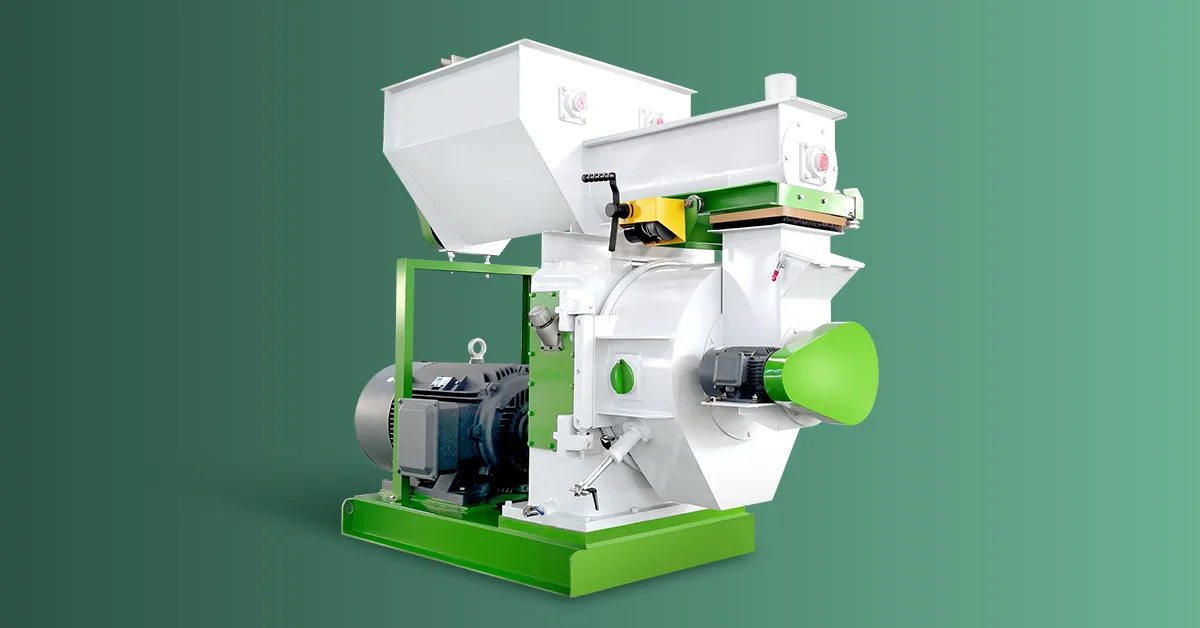
At the center of any successful operation is the pelleting machine itself. This is where the prepared material is forced through a die under extreme pressure. The friction generates heat, which softens the natural lignin in the husk and binds the particles together. The die’s compression ratio, hole diameter, and surface finish determine the hardness and durability of the final pellet. A well-designed press allows operators to adjust these parameters as feedstock conditions change. Rice husk from one region behaves differently from another. Moisture swings with the season. A machine that cannot adapt will force you to adapt—by slowing down, by rejecting batches, or by spending your weekends clearing clogs.
When you ask for a rice husk pellet machine price, you should be asking for more than a number. Ask for energy consumption per ton. Ask for die life expectancy. Ask for spare parts pricing and shipping times. Ask about training and after-sales support. A supplier who can answer those questions is a partner. A supplier who cannot is just a vendor. The cheapest quote is rarely the best deal. The most expensive one isn’t always the right fit. What matters is matching the equipment to your feedstock, your volume, and your market.
Before you wire a deposit, visit a farm or mill that runs the machine you’re considering. Watch it operate for a full shift. Ask the operator what breaks, what wears out, and what they wish they had known. The answers will tell you more than any brochure. Rice husk pelleting can be a profitable business. It can turn a disposal cost into a revenue stream. But it only works when the machine is built for the job. The quote looks good. Make sure the math does too.