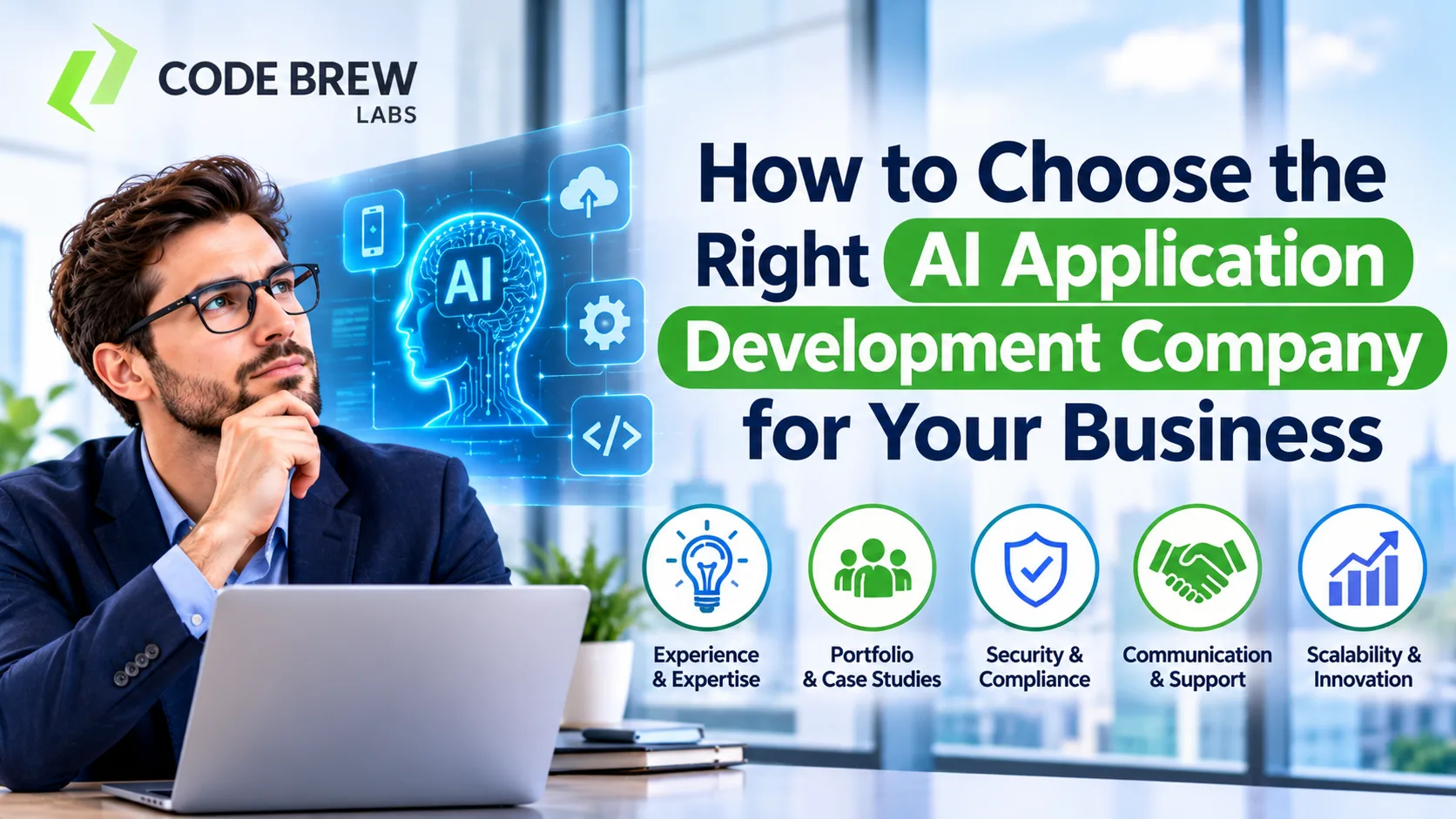

Modern businesses undergo unprecedented operational complexities as digital channels expand rapidly. Managing high customer service volumes while maintaining personalization requires continuous innovation and technological adaptability.
To address these challenges, many forward-thinking enterprises deploy specialized artificial intelligence development services to streamline workflows, enhance user experiences, and automate resource-intensive background processes.
Artificial intelligence transformed from a speculative technological frontier into a foundational pillar of enterprise infrastructure. Organizations across diverse sectors leverage intelligent algorithms to unlock hidden insights from vast data repositories.
Custom machine learning models enable precise predictive analytics, allowing management teams to anticipate market shifts with accuracy. Automated processes reduce manual overhead, enabling staff to focus on strategic growth initiatives.
Deploying bespoke machine learning architectures requires a rigorous understanding of data engineering principles. Off-the-shelf software solutions often lack the flexibility needed to integrate seamlessly into complex legacy infrastructure.
Tailored algorithms adapt directly to unique organizational workflows, delivering higher precision and actionable intelligence. This level of customization ensures that data processing aligns precisely with strategic business goals.
Data processing pipelines serve as the backbone of modern machine learning architecture. Raw unstructured data must be cleansed, categorized, and structured before neural networks can generate meaningful outputs.
Systematic data preparation reduces noise, prevents algorithmic bias, and significantly improves analytical reliability. Organizations that invest in robust data pipelines experience faster training times and more accurate predictive performance.
Natural language processing technologies allow software platforms to understand, interpret, and respond to human language dynamically. Chatbots and conversational interfaces now manage routine customer inquiries with remarkable fluency.
By handling initial support inquiries, intelligent conversational systems decrease average resolution times and lower operational costs. Customers benefit from instant, round-the-clock service availability across digital channels.
Computer vision technologies transform how industries process visual information in real time. Automated visual inspection systems detect manufacturing defects on assembly lines faster than human observers.
In healthcare, computer vision tools assist medical professionals by identifying subtle anomalies in diagnostic imaging scans. These capabilities reduce human error and enhance operational thoroughness across technical disciplines.
Predictive maintenance models protect physical infrastructure by forecasting hardware failures before costly disruptions occur. Sensors continuously stream telemetry data to centralized analytical engines that detect subtle operational anomalies.
Maintenance teams receive automated alerts to replace worn components proactively, preventing expensive equipment downtime. This approach extends machine lifespans and optimizes capital expenditure planning.
Integrating intelligent automation into legacy systems requires careful technical oversight to maintain data security. Comprehensive encryption protocols protect sensitive customer records throughout storage and transmission phases.
Strict compliance frameworks ensure that automated data processing adheres to global privacy regulations. Secure integration architectures prevent vulnerabilities while enabling efficient data flow across disparate departments.
Scalability remains a critical requirement for long-term artificial intelligence deployments. System architectures must accommodate exponentially growing data volumes without suffering performance degradation or latency spikes.
Cloud-native containerized microservices allow development teams to scale individual processing nodes independently. Elastic computing infrastructure ensures that analytical platforms remain responsive during peak operational loads.
Selecting appropriate model evaluation metrics is essential for measuring real-world performance accurately. Standard accuracy metrics often fail to capture subtle classification errors in imbalanced datasets.
Engineers utilize precision, recall, and cross-validation techniques to evaluate algorithm reliability thoroughly. Continuous performance monitoring guarantees that deployed models maintain stability as incoming data patterns evolve.
Algorithmic bias represents a persistent challenge when training machine learning platforms on historical datasets. Unchecked bias leads to flawed analytical predictions and flawed decision-making outcomes.
Development teams mitigate these risks by using diverse, representative training datasets and continuous model auditing procedures. Ethical algorithm management builds stakeholder trust and ensures equitable outcomes across user bases.
The rise of generative models created new possibilities for automated content creation and visual asset generation. Businesses utilize these systems to generate personalized marketing copy, technical documentation, and product designs rapidly.
Generative tools augment human creative workflows, enabling rapid prototyping and shorter campaign development cycles. Teams iterate through visual concepts and text drafts in fraction of the time previously required.
Process automation platforms streamline administrative overhead by executing repetitive data entry tasks automatically. Intelligent software bots extract information from physical invoices, update accounting databases, and send confirmation receipts instantly.
Eliminating tedious manual entry reduces administrative bottlenecks and minimizes human data entry errors. Operational teams redirect saved labor hours toward high-value strategic initiatives and business expansion.
Financial institutions rely heavily on machine learning algorithms to detect fraudulent transaction attempts in real time. Automated security platforms analyze spending patterns, geographical indicators, and user behavior anomalies concurrently.
Suspicious transactions undergo immediate isolation, protecting consumer accounts before fraud occurs. This continuous real-time monitoring protects institutional assets while minimizing false decline rates for legitimate cardholders.
Supply chain optimization platforms utilize predictive analytics to forecast inventory demands across global logistics networks. Algorithms analyze historical sales patterns, weather forecasts, and regional economic trends to calibrate stock levels.
Optimized inventory management prevents stock shortages while minimizing unnecessary warehouse storage expenses. Retailers maintain lean supply chains that adapt dynamically to sudden shifts in consumer demand patterns.
Successfully adopting advanced software technologies demands a corporate culture grounded in continuous learning. Executive leaders must foster environments where cross-functional teams collaborate closely with software engineering specialists.
Cross-departmental alignment ensures that technological capabilities map directly to real-world business requirements. Clear communication bridges the gap between complex software engineering and executive strategy.
Evaluating the return on investment for technological infrastructure requires tracking quantifiable operational metrics over time. Organizations track labor savings, error reduction rates, and customer retention metrics to gauge project success.
Documented efficiency gains justify initial technology investments and help secure funding for future digital initiatives. Consistent performance tracking ensures long-term strategic alignment across all engineering divisions.
As digital landscapes continue to evolve, companies that embrace intelligent automation build enduring competitive advantages. Early adopters respond faster to market changes, optimize operational costs, and deliver superior customer experiences.
Investing in scalable data infrastructure positions organizations for sustained growth in an increasingly data-driven global economy. Advanced computational tools will continue to redefine enterprise productivity standards for years to come.