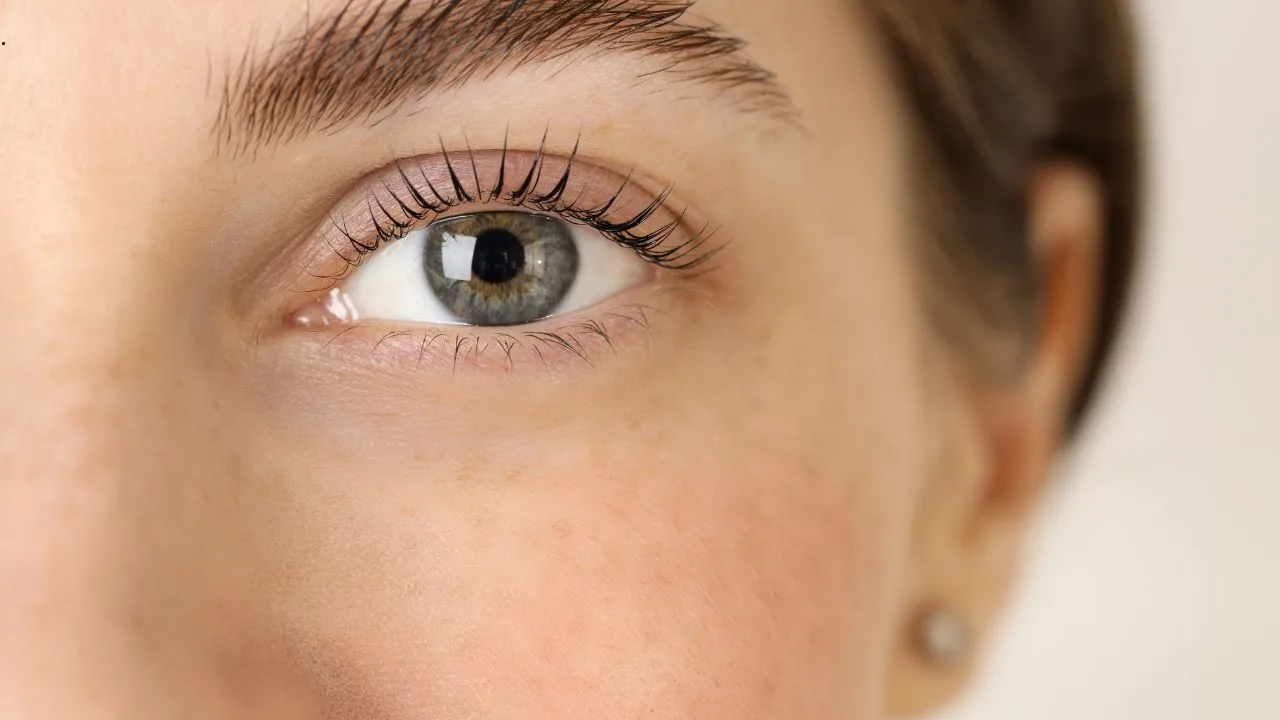
By late afternoon the mirror tends to tell on you. The brow sits a little lower than it did ten years ago, the upper lid feels heavier, and the eye area reads as tired even after a full night of sleep. Plenty of people get asked whether they are upset or worn out on days they feel fine. Some of that is skin. A surprising amount of it is muscle.
The eyes are the first place other people read your mood, so small changes there carry weight. A brow that has drifted downward closes the eye a fraction and casts a faint shadow on the lid. The face looks a step behind how the person feels. Surgery can lift the brow, and for the right candidate it remains a sound option. There is also a lighter approach that has grown popular across the Greater Toronto Area, and it relies on a few precisely placed units rather than a scalpel.
The tug of war above your eyes
Brow position comes down to a balance of muscles. One muscle, the frontalis, runs up the forehead and is the only one that lifts the brow. Working against it are several depressors that pull the brow down: the orbicularis oculi that circles the eye, the corrugators that knit the brows together, and the procerus at the top of the nose. For years these muscles fire every time you frown, squint at a screen, or react to bright light. As the depressors stay strong and the skin loosens with ageing, the brow settles lower.
The idea behind a neuromodulator lift is simple once you picture that balance. Soften the muscles pulling the brow down, and the frontalis gets to lift with less resistance. The tail of the brow rises a touch, the lid looks less crowded, and the eye opens up. The change is measured in millimetres, so it reads as a refresh rather than a surprised arch.
What a few units can actually do
A neuromodulator is a purified botulinum toxin type A. Injected into a targeted muscle, it blocks the release of acetylcholine, the chemical signal a nerve uses to tell that muscle to contract. The muscle eases, the skin over it relaxes, and in the brow area the balance of pull shifts upward. For the outer brow, a small amount placed into the upper fibres of the orbicularis lets the tail float higher. For the space between the brows, treating the corrugators and procerus softens the frown and removes some of the downward drag at the same time.
Done with restraint, the effect is a brow that sits a little higher and more open. Movement stays. You can still raise your brows and show expression, which is the line between a natural result and a startled one. This is where careful assessment earns its keep, and it is a large part of why people look for a Botox brow lift in Pickering performed by injectors who map each face before a single unit goes in.
The outer corner and the eyes
The brow does not work alone. Just beside it sit the fine lines that fan out from the outer eye when you smile, the ones most people call crow's feet. Those lines come from the same orbicularis muscle that helps hold the brow down. Because the anatomy overlaps, the outer eye is often assessed in the same sitting.
Relaxing the outer fibres of that muscle can soften the fan of lines and, in some faces, add a small amount of lift to the brow tail as a bonus. This is why Botox for crow's feet is frequently discussed alongside the brow: the two areas share muscle, and treating them together tends to give a more even, rested look across the upper face. A good injector judges how much movement to preserve, since the outer eye does a lot of the work when you smile and most people want that warmth to stay.
Who tends to suit the treatment
The non-surgical lift works best on a brow that has drifted modestly, where skin still has reasonable spring. People in their thirties and forties who notice a heavier lid or a flatter brow are common candidates. It suits someone after a subtle opening of the eye rather than a dramatic change.
There are limits worth being honest about. If a lot of upper-lid skin has developed, a neuromodulator can only do so much, and a surgical consult may be the better route. Very heavy brows, certain eyelid conditions, and a history of some neuromuscular disorders are reasons an injector may steer you elsewhere. A proper assessment sorts this out before anything is booked, which is why a consultation comes first at any reputable clinic offering Botox in Pickering and the wider GTA.
What the appointment involves
The visit itself is short. After a facial assessment, where the injector watches how your brows move and where the depressors are pulling, a series of small injections is placed with a fine needle. The whole thing takes a few minutes. Discomfort is minor, usually described as a quick pinch, and there is little to no downtime, so most people head straight back into their day.
Results build gradually. You will notice the change over several days, with the full effect settling in around two weeks as the treated muscles relax. From there, a brow lift result generally holds for about three to four months before movement returns and a maintenance visit keeps it going. Because the effect is temporary and dose-dependent, small adjustments can be made at follow-up as the injector learns how your muscles respond. Many people book that two-week review specifically so the outcome can be fine-tuned before it is set for the cycle.
Where it fits in a wider routine
A neuromodulator handles movement lines, the folds that appear when muscles contract. It has less to say about the fine, static crepiness that comes purely from sun exposure and time, or about the loss of volume in the temple and upper cheek that can let the brow area sag. Knowing that before you book keeps your expectations in step with what the treatment does. Many people pair a brow-area treatment with diligent sun protection and a retinoid from their existing skincare, since the two approaches work on different layers of the same concern. Others discuss a small amount of filler in the temple to support the outer brow, which an injector can assess in the same sitting. This is the real value of a proper consultation. You leave with a plan mapped to your own face, so the areas that would benefit are treated and the areas that would not are left alone. A brow assessed as part of the whole upper face tends to age more gracefully than one chased line by line, and it spares you from paying for movement you did not need to soften.
Why the hands matter more than the vial
With an area this expressive, technique carries the result. A millimetre of drift or an overloaded dose can leave a brow heavy or uneven, so planning is where the skill lives. That is the argument for choosing a clinic led by qualified medical professionals over a bargain chair. The vial on the counter is the same in a lot of places; the eye reading your anatomy is what varies.
In Ontario, a neuromodulator is a prescription medicine and should be handled by trained medical staff. Victoria Rose Aesthetics, a registered-nurse-owned clinic in Pickering, is one example. Treatments are delivered by a team of medical injectors working to a standard set by founder and registered nurse Victoria Rose Cyr, who trains other injectors across Canada. The clinic also holds a 4.8-star Google rating, which points to a steady, consistent approach in an area where consistency is the whole game.
A brow lift by injection will not rebuild a face or replace surgery when surgery is what a person needs. What it can do, in the right candidate, is take a few years of downward drift off the upper face and let the eyes look as awake as their owner feels. Understood as a balance of muscles gently retuned, it stops being mysterious and becomes what it is: a small, considered adjustment to the way your brows sit, and a common first step for people who want to look rested rather than reworked.