
There's a specific moment every founder eventually hits, usually without realizing it's happening. The product that started as a scrappy proof of concept is now running real operations for real customers, and the lightweight architecture that got it off the ground is starting to creak. Nobody announces this moment. It just shows up as a slow report, a failed integration, or a feature request that the current system simply can't support without a rewrite.
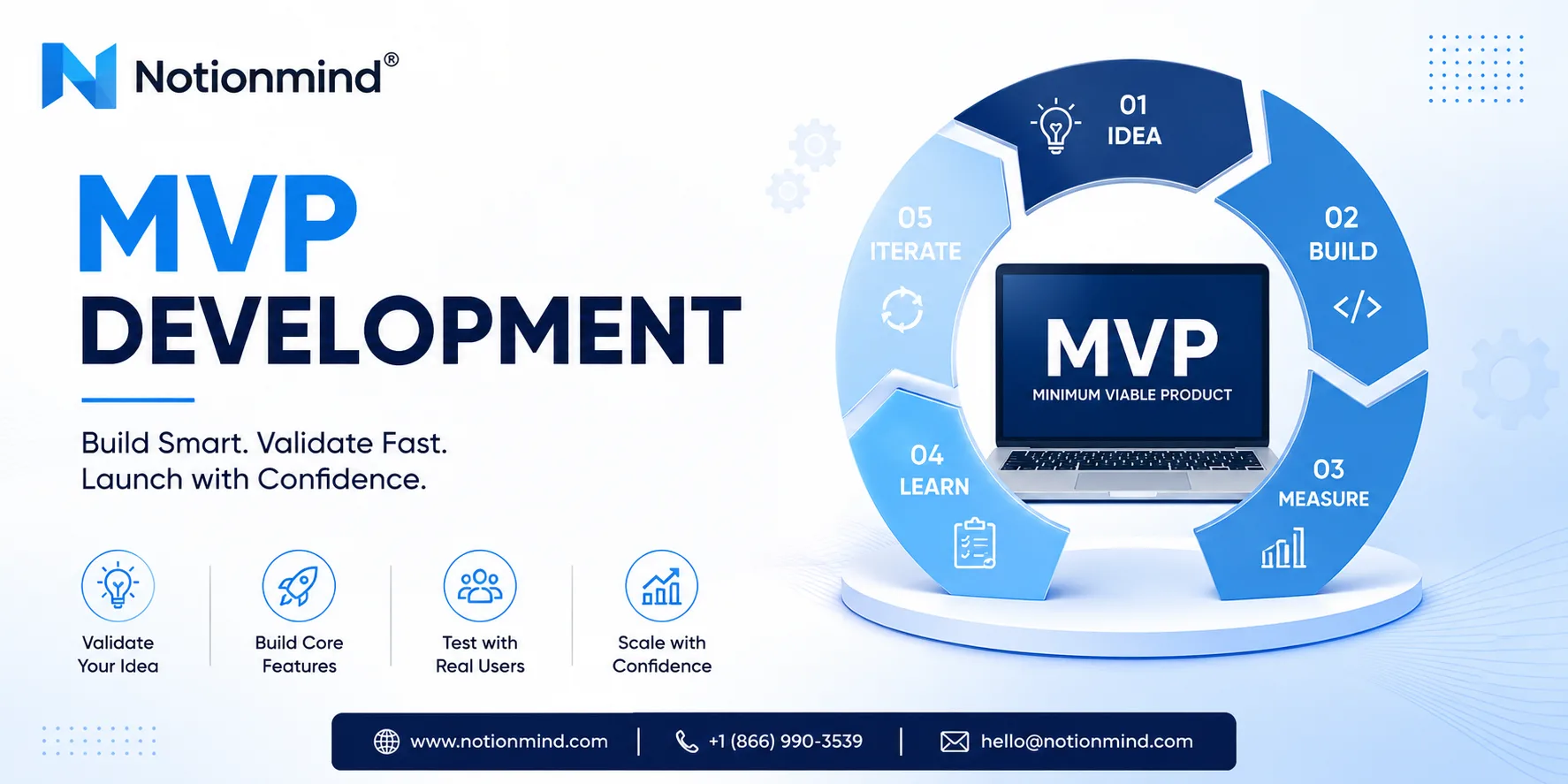
MVP development gets a lot of attention in the early-stage world, and for good reason. It's cheap, fast, and forces real validation before serious money gets spent. What gets talked about less is what happens after it works, when the product needs to grow into something closer to an enterprise software solution, and the two don't automatically blend into each other.
Why "It Still Works" Isn't the Same as "It's Fine"
This is the trap. An MVP can technically keep running for a long time after it's outgrown its original scope. It doesn't crash. It just gets slower, more fragile, and harder to extend, one workaround at a time, until the team is spending more time patching the old system than building anything new.
I've seen this play out the same way more than once. A founder delays the harder architectural conversation because the product "still works," right up until a big customer asks for an integration the system can't handle, or a compliance requirement shows up that the original build never accounted for. At that point, the rebuild happens under pressure instead of on a plan, which is always more expensive and more stressful than it needed to be.
What Actually Separates the Two Stages
An MVP is built to answer one question as cheaply as possible: does this solve a real problem for real people. An enterprise software solution is built to operate reliably at scale, across departments, integrations, and the kind of compliance and performance demands that don't exist when you've got a handful of early users testing things out.
The shift usually touches a few specific areas. Infrastructure that was fine for a few hundred users starts to strain under thousands, and performance stops being optional. Integration needs multiply as the business adds tools and departments that all need to talk to each other reliably, not just the one or two connections the MVP was built around. Security and compliance move from "we'll figure that out later" to a hard requirement, especially the moment a regulated industry or enterprise customer enters the picture. And the data model, if it wasn't designed with room to grow, starts fighting back against every new feature instead of supporting it.
The Decision That Makes This Easier Later
Here's the part that actually matters most, and it happens way before any of this becomes urgent. If the MVP was built with some basic modularity in mind, even while staying lean, the transition to something closer to enterprise-grade architecture is an evolution. If it wasn't, it's a rewrite.
That difference isn't about over-engineering the MVP. It's one deliberate choice at the start: keeping the core loop lean, but not writing it in a way that locks the product into its original shape forever. Verisurg is a decent example of what the other side of that transition looks like done properly. Fragmented communication, paper-based workflows, no real-time visibility into scheduling or inventory, the kind of mess that accumulates when a system was never built to handle multi-site, compliant operations. The fix was a properly architected enterprise software solution, centralized data, automated scheduling, real-time tracking, role-based access across sites, and it eliminated the manual processes that had been quietly dragging the business down for years.
Reading the Signs Before They Become a Crisis
A few things usually show up before a business hits the wall. Reports that used to load instantly start taking noticeably longer. Every new integration request takes longer to build than the last one, because the system wasn't designed to connect cleanly with anything new. Manual workarounds that were a minor annoyance at a small scale start consuming real time every week. And leadership starts asking for data the current system genuinely can't produce without someone manually pulling it together.
None of these individually mean it's time to panic. A couple of them showing up together usually means the conversation about what comes next shouldn't wait much longer.
This Isn't a Failure. It's What Working Looks Like.
If your MVP has outgrown itself, that's not a sign something went wrong. It's a sign the original bet paid off well enough that the product now needs a different kind of foundation underneath it. The founders who handle this well aren't the ones who avoided the problem. They're the ones who saw it coming early enough to plan the move instead of being forced into it by a customer complaint or a system that finally gave out under real pressure.
If you're starting to feel that friction, we're happy to take a look at where your product actually stands.