Many vehicle owners install a catch can or air oil separator because they want to protect their engine from the effects of oil blow-by. It is a smart maintenance decision, especially for modern direct-injection engines, turbocharged applications, and vehicles that regularly see demanding driving conditions.
However, one important detail is often overlooked: a catch can is not a “set it and forget it” component.
Like any other part of an engine’s ventilation system, it requires routine attention. When maintenance is ignored, the same device designed to manage oil vapor can eventually create a restriction in the Positive Crankcase Ventilation (PCV) system. This can affect crankcase pressure, engine performance, and overall reliability.
Understanding how an oil separator for vehicle applications works, why maintenance matters, and what warning signs to watch for can help owners avoid turning a helpful upgrade into a potential problem.
What Happens When a Catch Can Be Not Maintained?
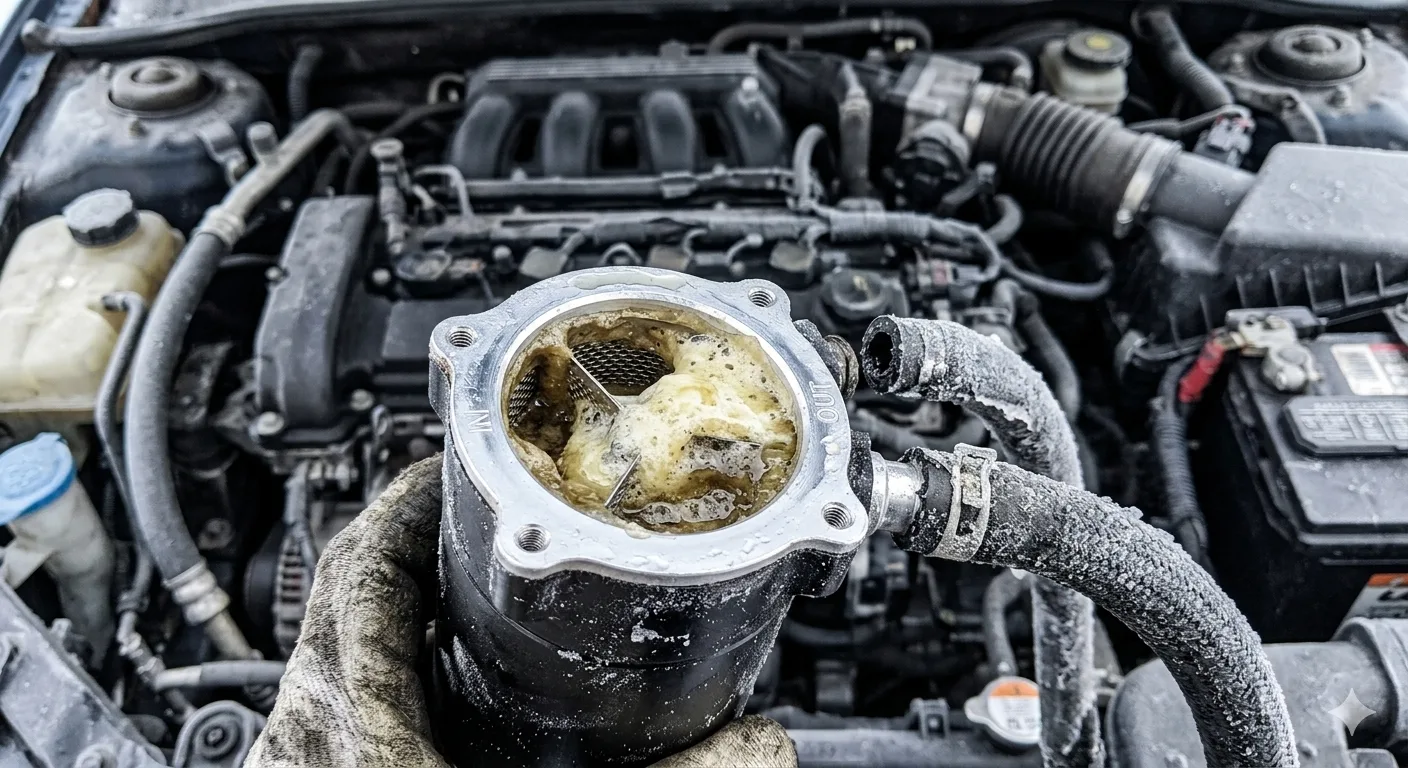
A catch can become a potential PCV restriction when collected oil and contaminants are allowed to build up inside the unit, reducing airflow through the ventilation system.
The PCV system is designed to remove pressure and combustion byproducts from the crankcase. During normal engine operation, small amounts of gases escape past piston rings. These gases, often called blow-by, contain oil mist, moisture, and other contaminants.
An air oil separator captures much of this oil vapor before it returns to the intake system. Over time, the collected material accumulates inside the separator. If the reservoir is not emptied regularly, the internal filtration system can become less effective or airflow can become restricted.
A restricted PCV path may contribute to:
- Increased crankcase pressure
- Oil leaks from seals and gaskets
- Reduced PCV system efficiency
- Potential intake contamination issues
- Unusual engine behavior
Regular inspection and emptying are essential parts of maintaining the system.
How an Air Oil Separator Works in a Vehicle
An air oil separator is designed to separate oil particles from crankcase gases before those gases are routed back into the intake system.
The process is simple:
- Blow-by gases leave the crankcase.
- The gases enter the separator.
- Internal filtration slows airflow and allows oil particles to separate.
- Cleaner air continues through the PCV system.
- Captured oil collects in the canister for removal.
This process helps reduce the amount of oil vapor entering the intake tract. Modern engines, especially direct-injection engines, can benefit because fuel does not wash over intake valves, making oil vapor accumulation a more noticeable concern.
An oil separator for car applications works on the same principle but is often designed around specific engine layouts, available space, and driving conditions.
Why Regular Maintenance Matters
A catch can does an important job, but it also collects the material that would otherwise enter the intake system. That means the collected oil and contaminants need somewhere to go.
The maintenance schedule depends on several factors:
Factor: Why It Matters. Driving style: Aggressive driving and higher engine loads can increase blow-by productionEngine typeTurbocharged and direct-injection engines may produce more oil vaporClimateCold temperatures can increase moisture accumulationVehicle usageTowing, hauling, and track use can increase system demandsCatch can capacitySmaller reservoirs may require more frequent emptying
Ignoring these factors can allow the separator to fill beyond its intended capacity.
The Difference Between an Effective Separator and a Restricted System
A properly maintained oil separator for truck applications helps manage crankcase vapors during daily driving, towing, and heavy-load conditions. However, trucks often experience higher engine loads, making maintenance even more important.
A restricted separator may create an imbalance in the PCV system. Instead of allowing gases to move freely, the system has to work against increased resistance.
Some possible signs include:
- Oil residue around engine components
- Whistling or unusual PCV noises
- Increased oil consumption
- Poor idle quality
- Pressure-related leaks
These symptoms can have multiple causes, so inspection by a qualified technician may be necessary if issues continue.
Common Inspection Findings: What Vehicle Owners Often Discover
Routine checks of an air oil separator can reveal how much oil vapor and moisture the engine is producing. Many owners learn their vehicle’s maintenance needs by inspecting what collects inside the reservoir.
Inspection Finding What It May Indicate Small amount of oil residue Normal oil vapor separation Oil mixed with moisture Common with short trips or cold weather driving Faster fluid buildup Higher engine loads, towing, or spirited driving Thick sludge buildup Extended maintenance intervals Oil near hoses or fittings Possible connection or system issue
For example, a turbocharged car driven casually may collect a small amount of fluid over several months, while the same vehicle used for track driving may require more frequent inspections due to increased crankcase pressure.
Real-World Maintenance Scenarios

Scenario 1: A Performance Car Used for Weekend Driving
A vehicle owner installs an oil separator for car use on a turbocharged performance vehicle. During the first inspection, they notice a small amount of dark oil in the reservoir.
This is typically an expected result. The separator is doing its job by collecting oil vapor that would otherwise travel through the intake system.
After several months, the owner notices the collection rate increases. This may happen because driving habits changed, the vehicle is being driven harder, or more miles are being accumulated.
The lesson: the first few inspections help establish a realistic maintenance schedule for that specific vehicle.
Scenario 2: A Truck Used for Towing
A pickup truck used for towing trailers or hauling heavy loads experiences higher engine workload compared with normal commuting.
During maintenance, the owner may find that the oil separator for truck applications collects fluid faster than expected. Increased cylinder pressure under load can create more blow-by, which means the PCV system may send more oil vapor through the separator.
In this situation, more frequent inspections may be necessary compared with a lightly used truck.
Scenario 3: Short-Trip Driving in Cold Weather
A vehicle that is mainly used for short trips may collect more moisture inside the separator. The engine may not operate long enough to fully evaporate water condensation from the crankcase ventilation system.
During inspection, owners may notice a lighter-colored fluid or a mixture of oil and moisture. This does not automatically mean there is an engine problem, but it highlights why seasonal checks are important.
Maintenance Observations That Can Prevent Bigger Problems
Experienced vehicle owners often use separator inspections as an opportunity to monitor engine behavior.
For example:
- A sudden increase in collected oil may suggest a change in driving conditions or engine operation.
- A previously clean system that begins collecting excessive residue may require additional inspection.
- A separator that remains completely empty over a long period may indicate the vehicle produces minimal blow-by or that the system should be checked for proper operation.
The goal is not simply emptying the canister. The inspection process provides useful information about how the engine and PCV system are functioning together.
How Often Should You Maintain an Oil Separator?
Most vehicle owners should inspect their oil separator regularly and empty it whenever collected fluid reaches the recommended level.
The exact timing depends on the vehicle. Performance vehicles, turbocharged engines, and trucks used for towing may require more frequent checks because they often experience increased crankcase pressure and higher operating demands.
A good practice is to inspect the separator during oil changes and adjust the schedule based on what you find.
Signs Your Catch Can May Need Attention
A few warning signs may indicate that your separator requires inspection:
- The reservoir is consistently full
- Oil or moisture buildup appears around connections
- The engine develops unusual idle characteristics
- PCV-related noises appear
- Oil leaks develop unexpectedly
Addressing these signs early can prevent larger maintenance concerns.
Conclusion
A catch can or air oil separator is designed to support a cleaner and more efficient PCV system, but it depends on proper maintenance. The collected oil, moisture, and contaminants must be removed regularly to prevent buildup.
Whether you drive a performance car, daily commuter, or work truck, maintaining your oil separator for vehicle applications is a simple step that helps keep the crankcase ventilation system functioning as intended.
A separator works best when treated like any other important engine component: installed correctly, inspected regularly, and maintained according to the demands of the vehicle.
FAQs
1. Can a full catch can damage my engine?
A full catch can may reduce the effectiveness of the PCV system by limiting airflow. While the impact depends on the vehicle and system design, regular maintenance helps prevent potential issues.
2. Does an oil separator remove all oil from PCV gases?
No. An oil separator is designed to capture a significant portion of oil vapor and contaminants, but it is not intended to remove every particle from crankcase gases.
3. Is an oil separator necessary for every vehicle?
The need depends on the engine design, driving habits, and owner goals. Vehicles with direct injection, turbocharging, or heavy-duty use may benefit more from managing oil vapor.
4. How do I know when my oil separator needs to be emptied?
The best indicator is the amount of fluid collected during inspections. Checking the reservoir regularly helps establish a maintenance pattern for your specific vehicle.
5. Can I install an oil separator on a truck used for towing?
Yes, many truck owners use an oil separator for truck applications because towing and heavy loads can increase engine operating demands. Proper maintenance remains important.