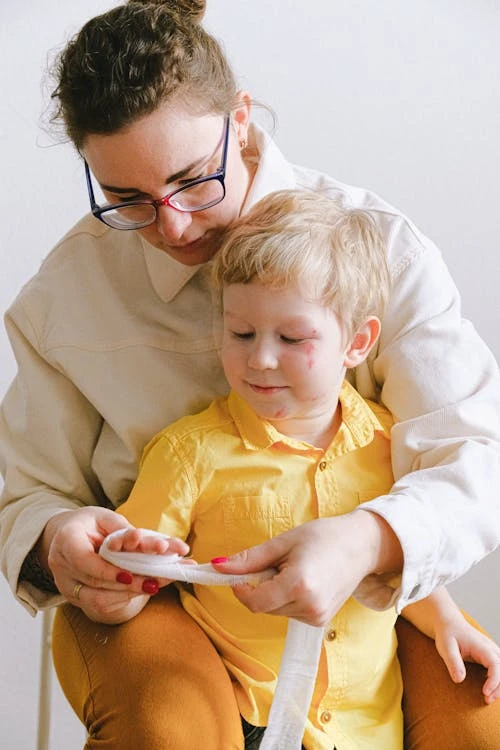
Providing high-quality childcare involves far more than educational activities, structured routines, and nurturing environments. At the heart of exceptional childcare is safety, and the ability to respond effectively when a child experiences a medical emergency. From allergic reactions and choking to respiratory distress and cardiac arrest, pediatric emergencies can escalate far faster than adult cases. Having trained staff who understand how to intervene in those first few minutes dramatically improves outcomes.
Pediatric life support training equips childcare workers, nurses, teachers, and pediatric professionals with the skills and confidence they need to take swift, appropriate action. Two certifications play a central role in this preparedness: Heartsaver Pediatric First Aid CPR AED, and Pediatric Advanced Life Support (PALS). While both are essential, they are designed for different audiences and levels of responsibility. Understanding the difference helps childcare organizations ensure the right people have the right training.
This article takes a closer look at how pediatric life support enhances childcare safety and how each certification fits into a comprehensive emergency response plan.
Why Specialized Pediatric Response Training Matters
Children have unique anatomical, physiological, and developmental characteristics that significantly affect medical treatment. A child’s airway is smaller and more prone to obstruction. Their respiratory rates and heart rhythms respond differently to stress. Their inability to clearly communicate symptoms can complicate assessments.
Because of these differences, pediatric emergencies require highly specialized knowledge.
Proper life support training helps caregivers:
● Recognize early signs of distress
● Respond faster and more confidently
● Prevent situations from escalating
● Minimize complications
● Improve survival and recovery outcomes
When childcare providers know exactly how to deliver age-appropriate care, from infants to school-aged children, their preparedness directly contributes to safer environments and stronger emergency systems.
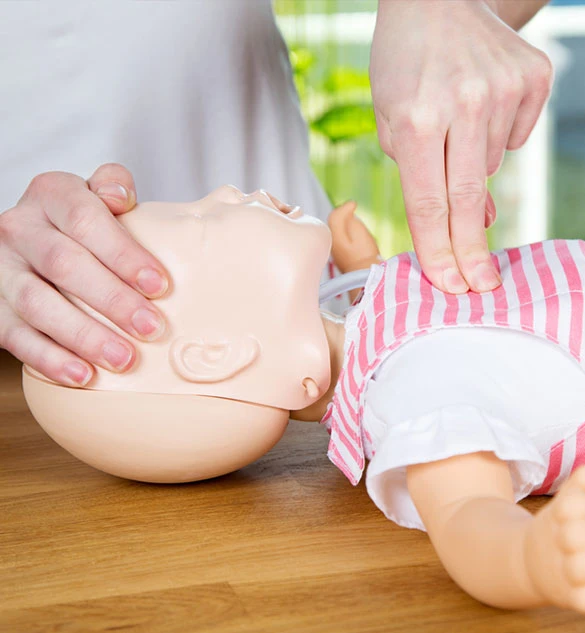
Heartsaver Pediatric First Aid CPR AED: The Essential Course for Schools and Childcare Centers
For most childcare settings, including preschools, daycare centers, early learning programs, and after-school facilities, the Heartsaver Pediatric First Aid CPR AED certification is the gold standard.
This American Heart Association (AHA) course teaches non-medical professionals how to manage the most common emergencies encountered in childcare environments.
Key skills include:
● CPR for infants and children
● Relief from choking
● Use of an AED
● Pediatric first aid for asthma attacks, allergic reactions, bleeding, burns, shock, and injuries
● How to respond to environmental emergencies
Because it is designed for everyday caregivers, teachers, coaches, and support staff, the course focuses on practical, fast, and effective interventions, often bridging the gap until medical help arrives.
Why this certification improves childcare outcomes:
● Reduces response time during critical situations
● Ensures every classroom has at least one trained caregiver
● Helps organizations comply with regulatory requirements
● Builds a culture of safety and preparedness
● Gives parents peace of mind
In settings where medical professionals are not always present, Heartsaver training provides the essential foundation that protects children during daily activities.
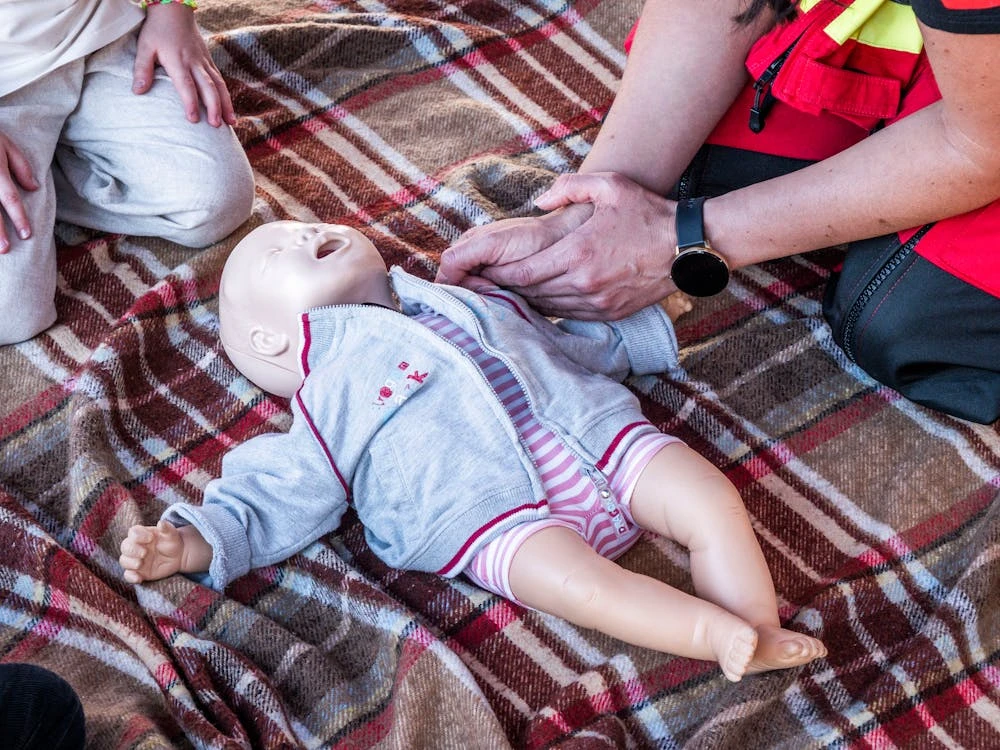
PALS Certification: Advanced Training for Pediatric Healthcare Providers
While Heartsaver prepares caregivers for common emergencies, Pediatric Advanced Life Support (PALS) is an advanced, clinical-level certification intended for pediatric nurses, physicians, paramedics, and emergency responders.
PALS certification from the AHA covers:
● High-level airway management
● Pediatric ECG interpretation
● IV/IO access
● Pharmacology for pediatric emergencies
● Team-based resuscitation
● Advanced cardiac life support for infants and children
This course goes far beyond first aid or basic CPR. It prepares healthcare providers to manage cardiac arrest, respiratory failure, shock, arrhythmias, and complex clinical situations seen in hospitals and emergency departments.
How PALS contributes to better childcare and pediatric healthcare outcomes:
● Improves survival rates for severe, life-threatening emergencies
● Strengthens interdisciplinary communication in pediatric units
● Supports rapid, structured decision-making
● Enhances clinical accuracy and reduces treatment errors
● Ensures pediatric staff can deliver evidence-based, AHA-recommended care
When childcare centers collaborate with pediatric clinics or hospitals, PALS-trained professionals often play a crucial role in ensuring continuity of high-quality emergency care.
How Both Certifications Work Together to Protect Children
Each certification addresses a different level of responsibility, but together they create a complete system of emergency readiness.
In schools and childcare centers:
● Heartsaver certifications equip teachers and childcare providers with practical emergency response skills.
● PALS-trained medical partners or on-site nurses ensure advanced care when needed.
In pediatric hospitals and clinics:
● All frontline medical staff benefit from PALS certification.
● Administrative and support teams often hold Heartsaver certifications for general readiness.
This layered approach ensures that no matter where a child experiences an emergency, someone is prepared to act immediately.
Choosing the Right Certification for Your Role
Heartsaver Pediatric First Aid CPR AED: Best for daycare staff, babysitters, teachers, coaches, parents, nannies, and camp counselors.
PALS Certification: Best for pediatric nurses, doctors, paramedics, respiratory therapists, and clinical professionals responsible for advanced emergency care.
Both certifications ultimately strengthen the safety net surrounding children, and the more trained adults in a child’s environment, the better their chances are during emergencies.
Enroll in Trusted Pediatric Life Support Training
The CPR & BLS Training Institute offers both Heartsaver Pediatric First Aid CPR AED, and PALS certification courses led by certified AHA instructors. Those looking to strengthen their childcare teams or advance their medical careers can register for upcoming classes here and take the next step toward delivering exceptional pediatric emergency care.