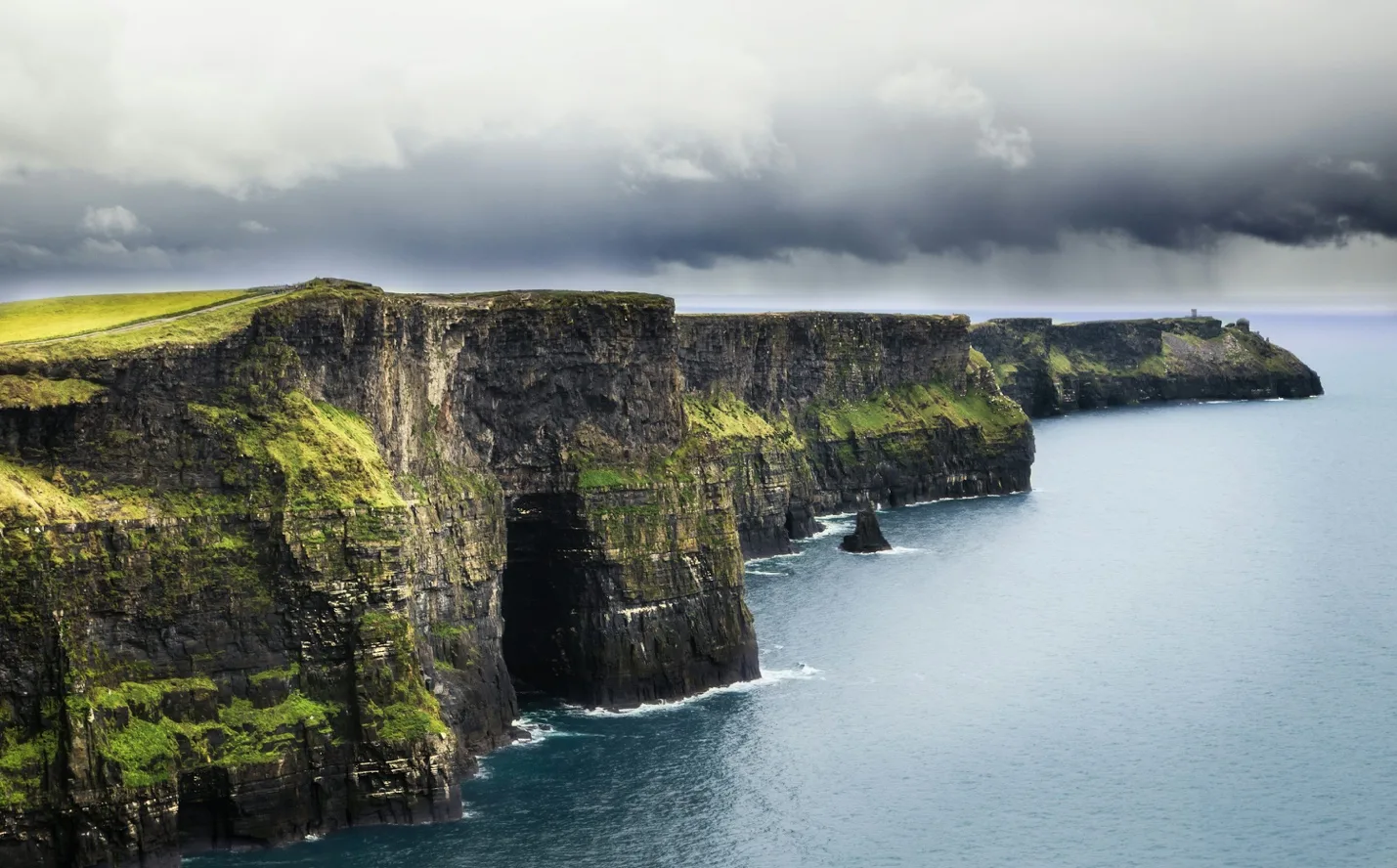
Most first-time visitors arrive in Ireland with a fairly fixed picture in mind: green fields, a castle or two, maybe a pint in a Dublin pub. That version of the country is real, but it's also the surface of something much deeper — a layered culture built on language, religion, medieval history, and small communities that have kept their own traditions alive for centuries. Looking past the postcard image is where Ireland actually starts to reveal itself, and it's a large part of why cultural tours in Ireland have grown steadily more popular among travellers who want more than a photo stop.
What Makes Ireland's Culture Different From Its Postcard Image?
Ireland's culture runs deeper than its famous landmarks because so much of it survives in language, music, and local custom rather than in any single building or view. The country's Irish-speaking regions, known as the Gaeltacht, are one of the clearest examples of this living, ongoing culture.
According to Ireland's Central Statistics Office, more than 106,000 people live in Gaeltacht areas spread across seven counties, including Donegal, Galway, Kerry, and Mayo, where Irish remains part of daily life rather than a subject taught only in schools. Visiting one of these regions offers a very different experience from a typical day trip built solely around landmarks.
How Do Ireland's Religious and Monastic Sites Reflect Its Deeper History?
Ireland's religious and monastic sites reflect a period when monasteries functioned as centres of learning, art, and community life, not just worship, shaping the country for centuries before its more famous medieval castles were built. Glendalough in County Wicklow is one of the clearest surviving examples of this era.
Founded in the 6th century by St Kevin, Glendalough grew into one of early Christian Ireland's most important centres of learning, according to Heritage Ireland, and its round tower and stone ruins still stand in the same valley today. Royal Historical Tours' Saints & Scholars Tour Package builds a route around this exact period, combining Glendalough with Dublin's early Christian history in a single day of historical tours in Ireland.
What Role Do Local Communities and Language Play in Irish Identity?
Local communities play a central role in Irish identity because many smaller traditions, from the Irish language to regional festivals, survive only because a town or parish has actively kept them going. Without this local involvement, a significant share of Ireland's culture simply wouldn't be visible to visitors.
The Heritage Council of Ireland works with hundreds of local communities each year to protect smaller, lesser-known traditions and sites that rarely appear on a typical itinerary. These are often the places that turn a standard trip into genuine heritage tours in Ireland, built around people rather than just monuments.
How Did Medieval History Shape the Ireland Visitors See Today?
Medieval history shaped modern Ireland through waves of monastic reform, Norman settlement, and the walled towns and abbeys that followed, layering new influences on top of much older Gaelic traditions rather than replacing them outright. Mellifont Abbey in County Louth marks one of the clearest turning points in that story.
Founded in 1142 as Ireland's first Cistercian monastery, Mellifont introduced a more formal, European style of monastic architecture that spread across the country within decades, according to Discover Boyne Valley. Royal Historical Tours' Ancient Castle Experience Tour Package pairs sites from this period with older monuments nearby, offering the kind of history tours of Ireland that connect several centuries in a single afternoon.
Seeing the Ireland That Doesn't Fit on a Postcard
Ireland beyond the postcards isn't hidden, exactly — it's simply layered, built from language, faith, local custom, and centuries of history that don't always make it into a highlight reel. For travellers who want to go past the landmarks, Royal Historical Tours designs Ireland heritage tours that move at a slower, more considered pace, built around the regions and stories that matter most to each guest. Its private guides regularly build a single day around an Ireland heritage trip through one specific county, and for longer stays, they can shape broader Ireland historical tours that connect several periods of the country's history in one trip. Those interested in planning a visit can contact Royal Historical Tours directly to begin building an itinerary around Ireland's deeper story.
Frequently Asked Questions
- Is the Irish Language Still Spoken in Ireland Today?
Yes, Irish is still spoken daily in Gaeltacht regions across seven counties, and it remains a compulsory subject in schools throughout the country.
- What Is a Gaeltacht?
A Gaeltacht is an officially designated Irish-speaking region, found primarily along the western and southern coasts in counties such as Donegal, Galway, and Kerry.
- Can Visitors Experience Traditional Irish Culture Outside Dublin?
Yes, much of Ireland's traditional culture, from language to music to local festivals, is strongest outside Dublin, in smaller towns and rural communities.
- What are the best Gaeltacht regions to visit for authentic Irish culture?
The most vibrant Gaeltacht areas are located along the west coast, including Connemara in County Galway, the Dingle Peninsula in County Kerry, and the Gweedore region in County Donegal. Visiting these areas offers travelers a chance to hear spoken Irish, experience traditional music in local pubs, and connect with living cultural heritage.
- How far in advance should I book historical or heritage tours in Ireland?
It is best to book private heritage tours at least 3 to 6 months in advance, especially if you are traveling during the spring or summer seasons. Booking early ensures guide availability for customized itineraries, private driver transport, and access to site-specific historic landmarks that have limited entry tickets.
- What is the difference between a standard sightseeing tour and a cultural heritage tour?
A standard sightseeing tour typically focuses on fast-paced photo stops at major, highly commercialized landmarks. A cultural heritage tour focuses on slow travel, spending more time at each location with a knowledgeable local guide who provides deep context on the history, folklore, language, and community connections behind each site.
- Can I visit early Christian monastic sites like Glendalough and Mellifont Abbey in a single trip?
Yes, both Glendalough (in County Wicklow) and Mellifont Abbey (in County Louth) are easily accessible from Dublin or as part of a broader itinerary covering Ireland's Ancient East. Combining monastic sites with nearby medieval castles offers a complete look at how faith, architecture, and politics shaped early Ireland.
- What is the best time of year to visit Ireland for slow, heritage-focused travel?
The shoulder seasons—May, September, and October—are ideal for heritage travel. During these months, major historic sites are far less crowded, weather conditions remain favorable for exploring ruins and countryside, and local cultural festivals are in full swing.