Introduction
In today’s digital age, mobile apps are integral to our everyday lives, offering a range of services from entertainment and social networking to personal finance management. However, as app usage grows, so do concerns about privacy. This creates what many have termed the "iOS privacy paradox" – a situation where mobile applications aim to provide highly personalized experiences but must also adhere to strict privacy laws and guidelines.
For iOS app development companies, navigating this paradox is essential. They must strike the perfect balance between leveraging user data for app personalization and ensuring that the privacy of users is not compromised. In this article, we’ll explore how Hire iOS App Developers and services balance these two competing priorities, what Apple’s privacy policies mean for developers, and why businesses should carefully consider the implications of data protection.
The Rise of Personalization in iOS Apps
Personalization is at the heart of modern mobile applications. Whether it's providing tailored content recommendations, personalized user experiences, or targeted advertisements, personalizing app features enhances engagement and user satisfaction. This helps businesses build strong relationships with their users and increase retention.
1. Enhanced User Experience
By analyzing user data, apps can present relevant content, notifications, and recommendations. For example, a streaming service like Netflix or Spotify uses your viewing or listening history to suggest shows and songs you might like, making your experience smoother and more enjoyable.
2. Tailored Marketing Strategies
Many businesses rely on data to create personalized marketing campaigns. Whether through push notifications, email campaigns, or advertisements, personalization allows companies to target specific segments of their user base, improving conversion rates and return on investment.
3. Contextual Features
Location-based services, such as navigation apps or local event notifications, rely heavily on user data. These features not only make the app more useful but can also significantly enhance a user’s experience by providing real-time, relevant information.
Privacy Challenges in iOS App Development
While personalization offers immense benefits, it brings with it significant privacy concerns. iOS, being one of the most secure mobile platforms, has put in place several features and policies to protect users’ privacy. This ensures that businesses offering iOS application development services must pay close attention to these guidelines to remain compliant and protect user data.
1. Apple’s App Privacy Rules
Apple has implemented stringent privacy policies, especially with the introduction of App Tracking Transparency (ATT) in iOS 14.5. The ATT feature requires apps to request user consent before tracking their activity across other apps and websites. This means that iOS app developers must be transparent about data collection and provide clear options for users to opt-in or opt-out.
2. Data Encryption and Storage
Apple emphasizes end-to-end encryption to ensure that sensitive data remains secure. Whether it’s financial transactions, medical records, or user preferences, data stored on iOS devices is encrypted, making it harder for unauthorized parties to access or misuse the information.
3. Minimal Data Collection
In line with the principle of data minimization, iOS app developers are encouraged to only collect the necessary data required for the app’s function. This limits the potential risks associated with storing unnecessary personal information, thus making apps safer for users.
4. User Control Over Privacy Settings
iOS gives users extensive control over what data they share with apps. Users can easily manage location services, microphone, camera access, and more from the settings menu, allowing them to keep tabs on their data-sharing preferences.
Balancing Personalization with Privacy Protection
The challenge for iOS app developers lies in navigating the fine line between personalization and privacy protection. Here’s how they are achieving this balance:
1. Data Anonymization
One effective strategy for developers to safeguard privacy while offering personalized experiences is data anonymization. By stripping away personally identifiable information (PII) from data sets, apps can still generate personalized content without directly compromising users’ identities.
- Example: An iOS app that suggests nearby restaurants can use aggregated location data without storing exact user coordinates, thus respecting privacy while providing relevant recommendations.
2. Consent-Based Data Collection
Consent is central to maintaining user privacy. Custom iPhone app development services now prioritize building apps that prompt users to give explicit consent for data collection, specifying what data will be used and how it will benefit the user.
- Example: Before tracking a user's location for personalized recommendations or services, the app asks for their permission. By opting in, users can enjoy tailored experiences while knowing exactly what data is being shared.
3. Transparency and Clarity in Privacy Policies
It’s crucial for businesses to be transparent about their data collection practices. An iOS app development company will ensure that the privacy policy within the app is clear and easily accessible, detailing how user data is used and what steps are taken to protect it.
- Example: A fitness app might state that while it collects health data to personalize workouts, all information is stored in a secure, encrypted format and not shared with third-party marketers.
4. Localized Personalization
Rather than relying on personal, sensitive data, iOS apps can opt for personalized experiences that use data that doesn’t directly identify the user. For instance, a news app can personalize headlines based on general location (city or region) rather than tracking the user’s exact GPS coordinates.
The Role of iOS App Development Services
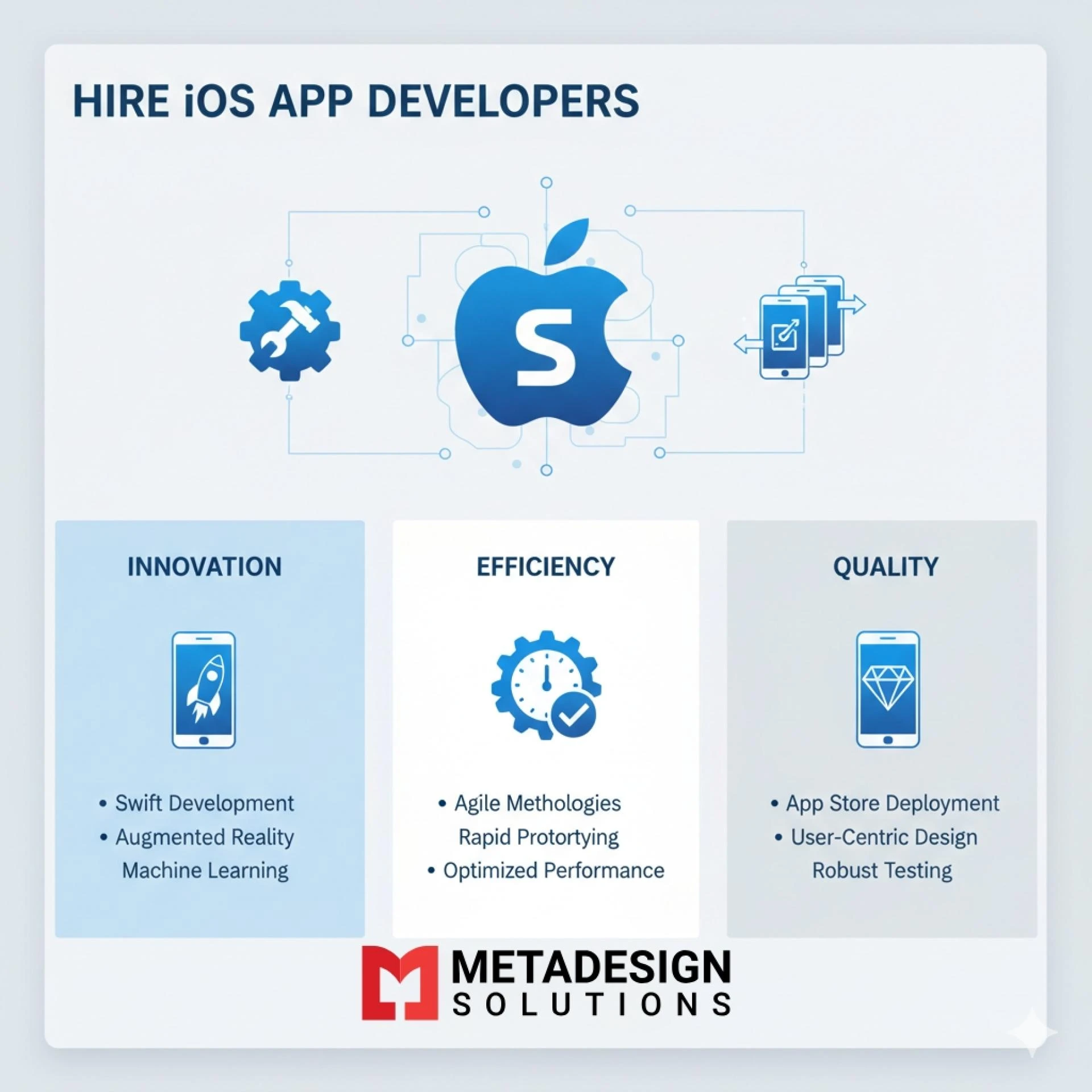
When seeking to build an app that balances personalization with privacy protection, hiring the right iOS app development company is key. Custom iPhone app development services ensure that the app not only adheres to Apple’s privacy policies but also delivers a personalized user experience.
1. Expertise in Privacy Regulations
A skilled iOS app development company will stay up-to-date on the latest privacy laws, including GDPR, CCPA, and Apple’s own guidelines. They’ll ensure your app is built with these regulations in mind to avoid any legal issues.
2. Customized Solutions for Your Business
Custom iPhone app development services offer tailored solutions that align with your specific business goals while ensuring user privacy. These services can help design and develop an app that balances data usage and protection in a way that supports long-term user trust.
3. Ongoing Security Updates
Privacy and security are ongoing concerns. A professional iOS app development company will not only launch your app but will also ensure it remains secure with timely updates that address any emerging vulnerabilities or privacy concerns.
Conclusion: A Balanced Approach to Privacy and Personalization
The iOS privacy paradox is an ongoing challenge for app developers, but it is also an opportunity to create innovative solutions that prioritize both personalization and data protection. By carefully considering Apple’s privacy policies, employing data anonymization techniques, and being transparent with users, businesses can deliver an app experience that fosters trust and engagement.
If you’re ready to launch an iOS app that effectively balances personalization with privacy protection, it’s essential to partner with a professional iOS app development company. With the right expertise, your business can provide tailored experiences that users love while keeping their data secure.
Related #Hashtags: #iOSPrivacy #AppDevelopment #DataProtection #iOSDevelopment #MobileAppPrivacy #AppSecurity #iOSAppDevelopers #TechTrends