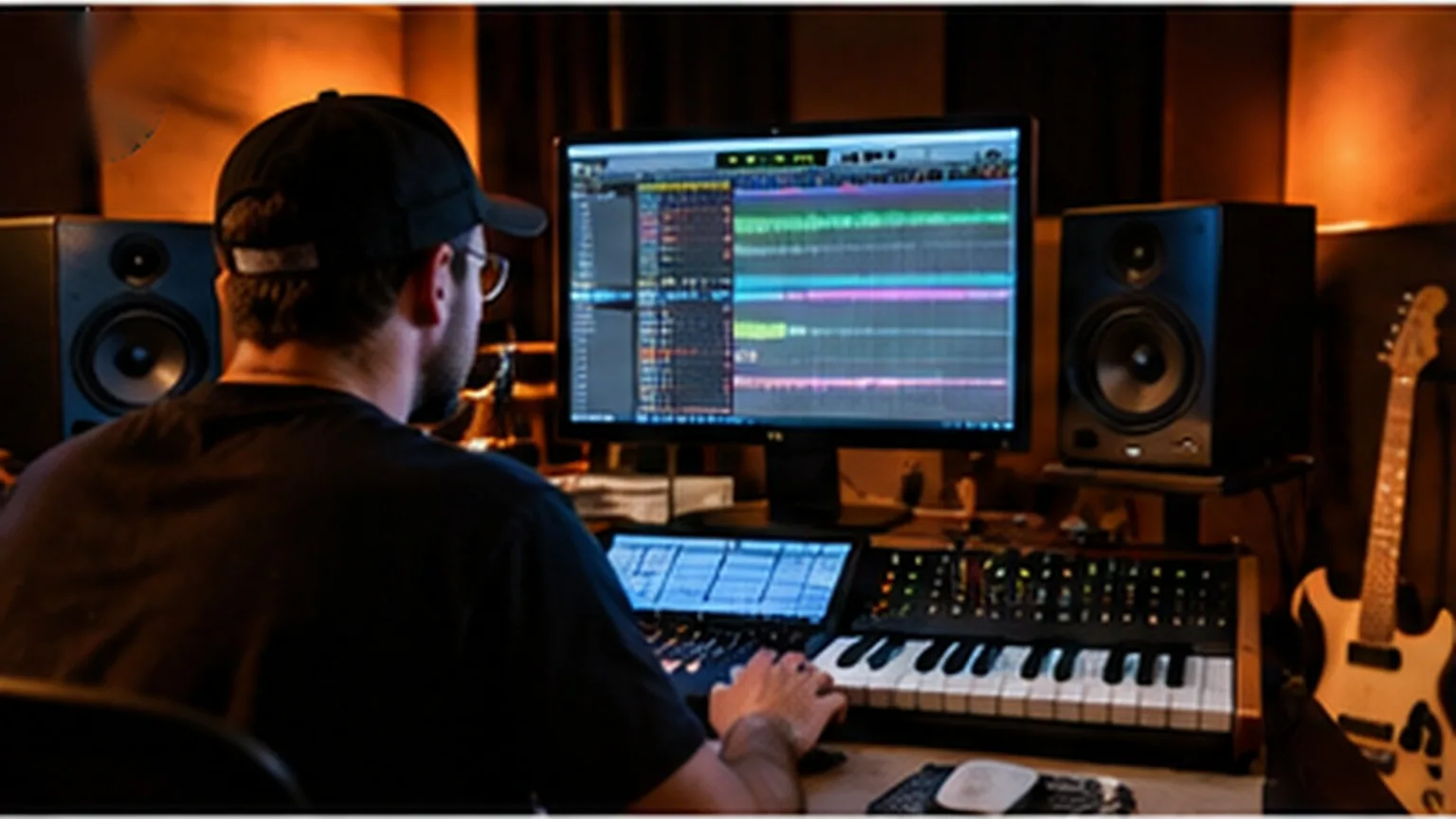
We all have those songs that instantly trigger a memory. The moment the opening riff plays or the bassline drops, you are transported. You probably know every word of the chorus, and you definitely know the name of the artist singing it. But behind almost every track that catches fire on radio playlists or dominates streaming charts, there is another creative force quietly shaping every bar of audio: the music producer.
To anyone outside the recording studio, the producer's job can feel a bit mysterious. Are they turning knobs on a massive mixing console? Are they writing the beats? Or are they just sitting on a leather couch giving feedback?
The short answer is all of the above—and much more. A music producer is part director, part sound engineer, part arranger, and occasionally part therapist. They are the invisible hand that takes a raw, fragile idea and sculpts it into a finished, radio-ready masterpiece.
1. Stripping The Song Down To Its Core Mechanics
Great producing begins long before anyone hits the record button. It starts with pre-production.
An artist might walk into the studio with nothing more than a voice note recorded on a phone, a simple acoustic guitar progression, or a rough vocal melody. A producer's first task is to listen deeply and ask a critical question: What is the heart of this song, and how do we make it hit as hard as possible?
This often involves making tough structural choices that the artist might be too attached to see clearly:
- Tightening Arrangements: Shortening long intros so the track hooks the listener within the first five seconds.
- Refining Key And Tempo: Adjusting the tempo by just two or three beats per minute can transform a sluggish ballad into an infectious groove, while transposing the key can push a vocalist's range into a far more emotional sweet spot.
- Clearing Sonic Space: Cutting out unnecessary instrument parts so the lead melody has room to breathe.
By challenging the song's basic structure early on, the producer ensures the underlying composition is bulletproof before layering on production flourishes.
2. Building The Sonic Landscape
Once the structure is locked in, the producer becomes an architect of sound. Every genre demands a different sonic palette, and choosing the right combination of instruments, textures, and rhythms is where a producer's signature style shines through.
In modern pop, hip-hop, and electronic music, this means crafting custom drum sounds, choosing synthesisers, and layering basslines that punch through phone speakers and club sound systems alike. In rock, indie, or jazz, it means selecting specific vintage guitar amplifiers, picking the perfect microphones, and placing them around the room to capture a unique room resonance.
Think of the song as a canvas. The songwriter brings the outline, but the producer selects the colour palette, the contrast, and the depth of field. Two different producers can take the exact same vocal and chords and create two completely different musical worlds.
3. Coaxing Out The Ultimate Vocal Performance
Equipment and synthesizers are important, but arguably the most delicate role a producer plays is guiding the singer.
Recording vocals in a studio is an intensely vulnerable experience. Standing in a soundproof booth with a high-end microphone capturing every breath can make even seasoned performers self-conscious. A skilled producer knows how to create an environment where the artist feels completely safe to take risks.
They know when to push for another take, when to offer encouragement, and when to call for a tea break. More importantly, they know how to spot the "magic take"—that rare moment where raw emotion overrides technical perfection. During post-production, the producer compiles the finest syllables and phrases from multiple takes, tuning and editing them into a seamless, captivating vocal line that feels completely natural.
4. Making The Hard Decisions In The Mix
Artists often fall in love with every detail they record. They want the guitar solo louder, the backing harmonies turned up, and the synth pad front and centre.
This is where the producer's objectivity is priceless. Because they are not blinded by ego or emotional attachment to individual parts, they can make unbiased decisions for the good of the overall song. They know when to pull back an instrument to let the lead vocal shine, or when to drop everything out completely to create a dramatic moment of silence before the final chorus hits.
It is this constant balancing act between tension and release, clarity and power, that separates a bedroom demo from a global hit.
The Unsung Architects Of Popular Culture
The next time you play your favourite song, take a second to listen past the lead vocals and the main melody. Pay attention to how the instruments enter and exit, how the energy builds toward the chorus, and how every sound has its own distinct place in the stereo field.
You are hearing the work of a producer who spent hours tweaking frequencies, adjusting arrangements, and guiding performances. They may not always get their picture on the album cover, but without their vision, intuition, and technical craft, the soundtrack to our lives would sound very different indeed.