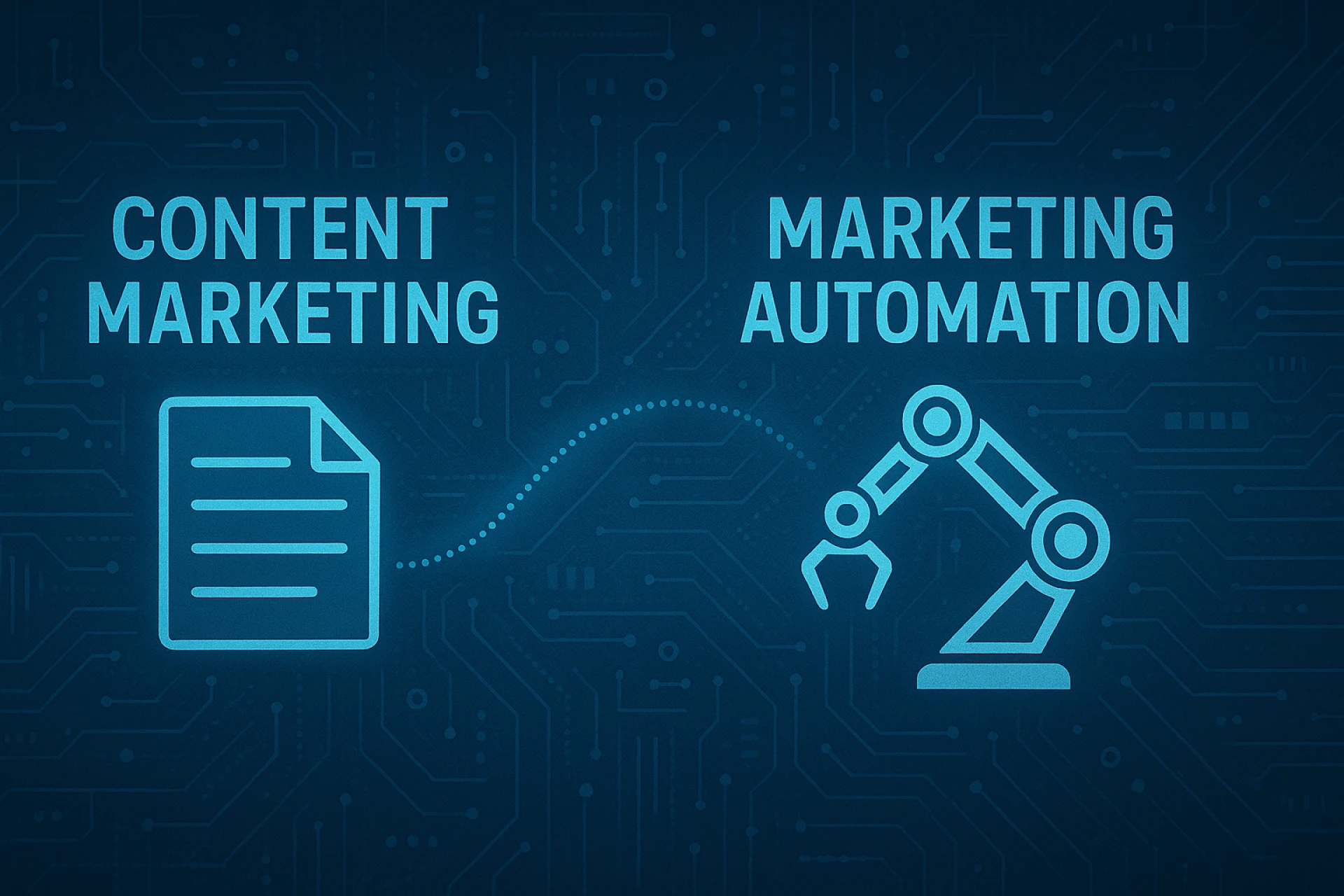
In today’s digital landscape, content is no longer just about writing blogs or posting on social media—it’s about delivering the right message to the right audience at the right time. This is where content marketing and marketing automation intersect, creating a powerful combination that enhances both reach and impact.
Why Content Needs Automation
Content marketing relies heavily on consistency, personalization, and data-driven engagement. But manually managing content across email campaigns, social platforms, and websites can quickly become overwhelming. Marketing automation tools for content distribution solve this challenge by automating the publishing schedule, personalizing content delivery based on user behavior, and tracking performance metrics in real time.
For example, instead of sending the same newsletter to every subscriber, automation platforms can segment audiences and send tailored content based on interests or past interactions. This increases engagement while saving time and resources.
Creating Smarter Content Strategies
At the core of effective content marketing is a deep understanding of your audience. Automation enhances this by providing detailed analytics on user behavior—what they read, click, or ignore. These insights help marketers refine their messaging, test new formats, and optimize future content.
In fact, many companies now use automated content marketing strategies to manage their content lifecycle. From planning and production to distribution and performance analysis, automation tools ensure that nothing falls through the cracks. This structured approach allows teams to produce high-quality content at scale without losing the personal touch.
Benefits of Integration
When content marketing is fully integrated with automation, businesses can nurture leads more effectively. For instance, a visitor who downloads an eBook can automatically enter a drip email campaign with related blog posts, case studies, and calls to action—guiding them through the funnel without manual follow-up.
Moreover, combining content-driven email marketing automation with social media scheduling and customer segmentation creates a seamless experience across all digital touchpoints. This level of integration ensures that messaging remains consistent and relevant, improving both brand perception and conversion rates.
Conclusion
The intersection of content marketing and marketing automation represents a shift from one-size-fits-all communication to a smarter, more personalized strategy. By leveraging automation tools to support content creation and distribution, businesses can deliver timely, relevant messages that resonate with their audience—at scale and with measurable results.