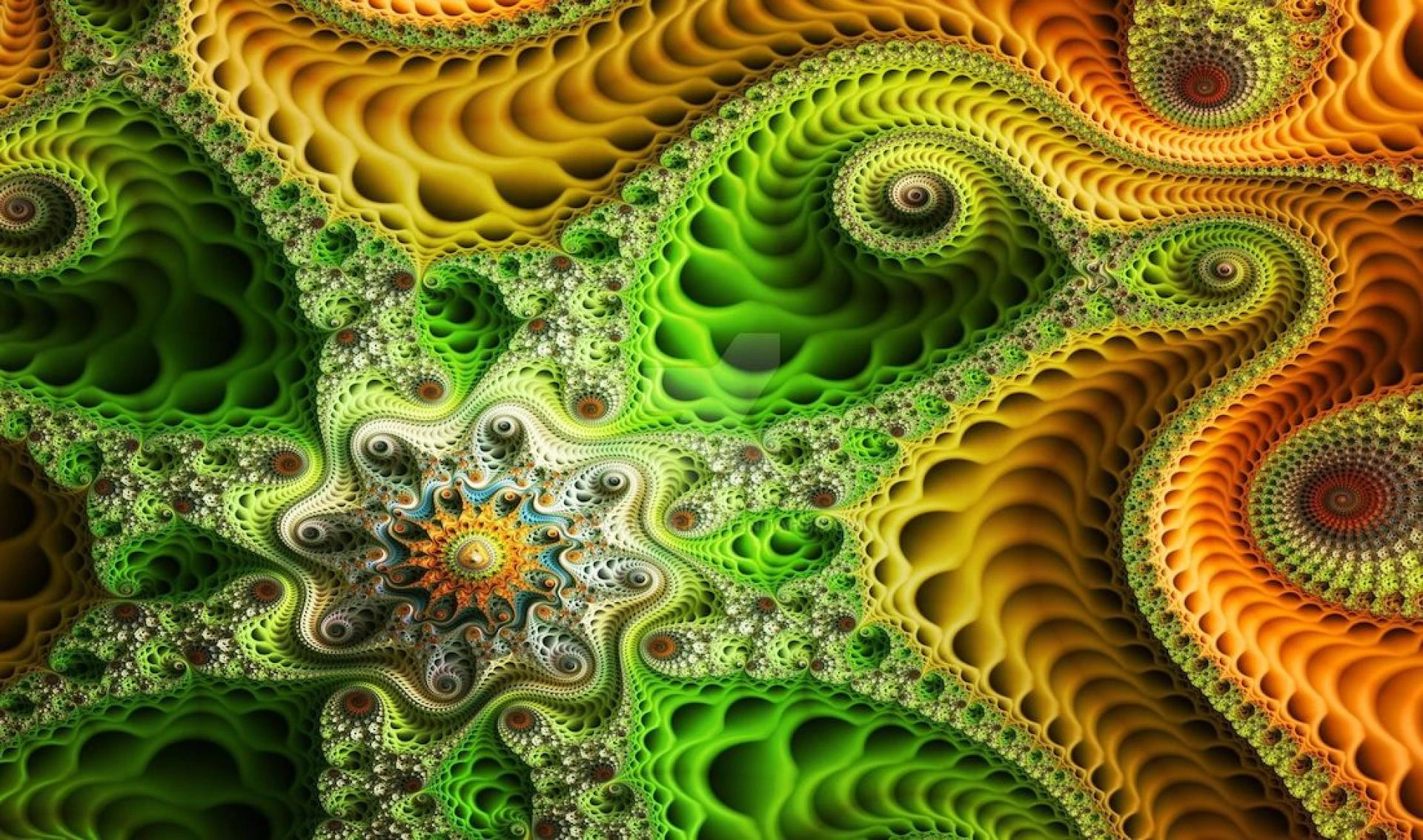
Art has always drawn inspiration from patterns found in nature and mathematics, and one of the most fascinating examples is fractals in art. These repeating patterns create visually complex designs that capture attention and evoke a sense of depth, making fractals in art a powerful tool for modern creativity.
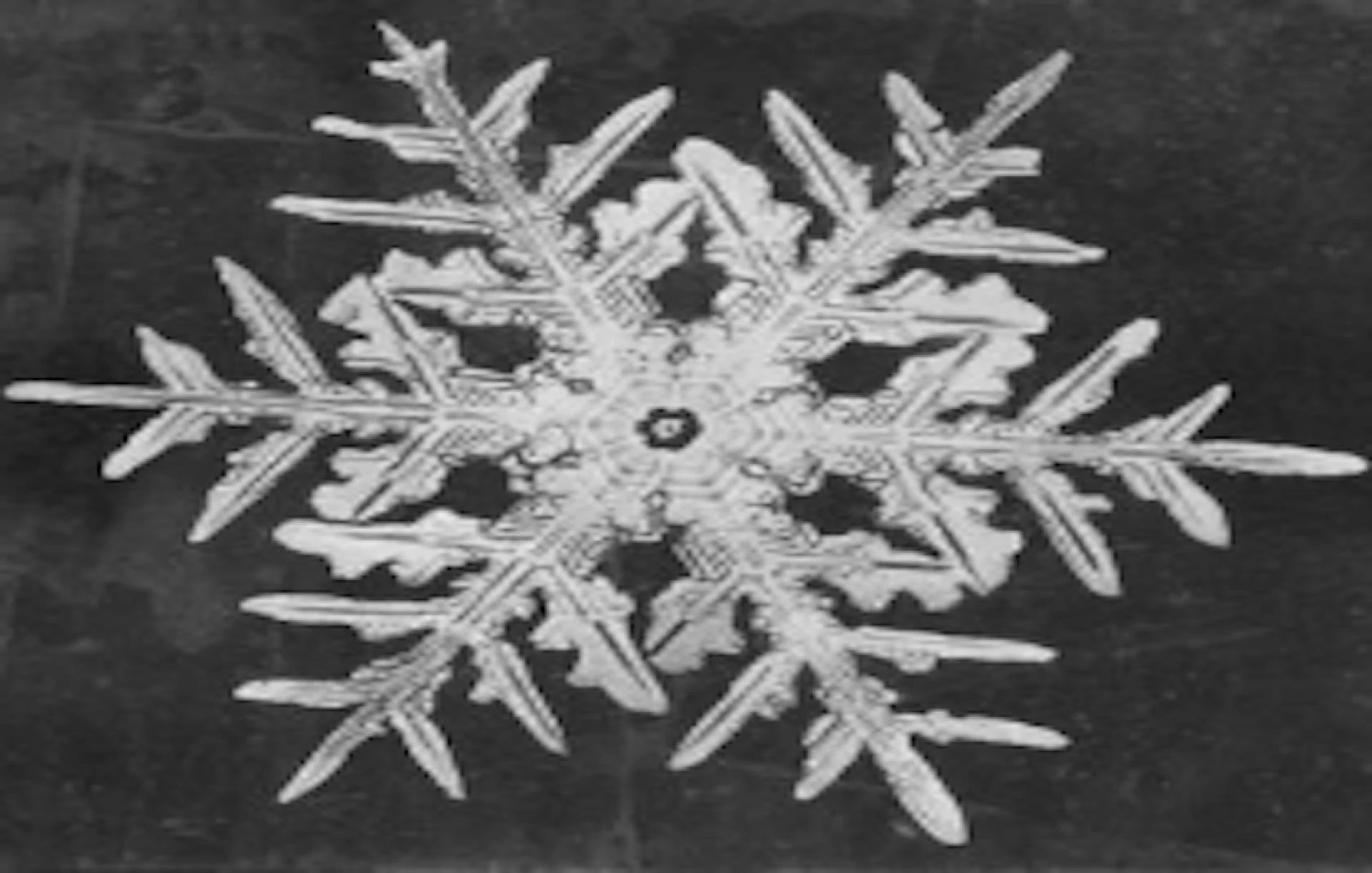
The concept of fractals in art is based on structures that repeat at different scales, often resembling natural forms such as leaves, clouds, and coastlines. Artists use this principle to create intricate compositions that feel both organic and abstract, blending science with imagination.
A growing trend in contemporary design is the creation of fractal artwork, which uses digital tools and algorithms to generate detailed and symmetrical patterns. Fractal artwork is widely used in digital media, prints, and even fashion, offering endless possibilities for unique and visually striking designs.
The appeal of fractal artwork lies in its ability to create complexity from simple mathematical rules. This makes each piece visually engaging, as viewers can explore different layers and details within the same image, discovering new patterns each time they look at it.
Many artists and designers also showcase fractal art images across various platforms, highlighting the versatility of this style. These fractal art images can range from vibrant, colourful compositions to minimal black-and-white designs, catering to different artistic preferences.
The use of fractal art images has expanded beyond traditional art forms into areas such as interior design, digital installations, and branding. These images are often used to create immersive environments or to add a modern, futuristic touch to visual content.
A key concept behind these creations is Fractalization, which refers to the process of applying fractal patterns to transform an image or design. Fractalization allows artists to take simple shapes and turn them into complex, layered visuals that stand out.
Through Fractalization, designers can experiment with repetition, scaling, and symmetry to create new artistic expressions. This process is widely used in digital art software, enabling artists to push creative boundaries and develop innovative styles.
The influence of fractals in art can also be seen in architecture, fashion, and graphic design. By incorporating fractal principles, creators can achieve designs that feel both natural and futuristic at the same time.
In conclusion, whether exploring fractals in art, creating detailed fractal artwork, sharing captivating fractal art images, or experimenting with Fractalization, this artistic approach offers endless opportunities for creativity. It represents a unique fusion of mathematics and art, resulting in visually stunning and thought-provoking designs.