The world around us is full of noise, from the soft hum of an office to the loud roar of heavy machinery. While some sound is normal, too much of it can become a serious problem for our physical health and our ability to focus on daily tasks. This is where sound level testing comes in as a vital tool. It is a simple yet powerful way to measure exactly how loud an environment is using specialized electronic tools. By turning the noise we hear into clear numbers called decibels, we can stop guessing about volume and start making better decisions about the spaces where we work and live. In a busy and crowded world, being able to measure sound is the first step toward creating a more comfortable and safer environment for everyone.
Understanding the acoustic footprint of a building or a workspace allows us to identify hidden dangers that the human ear might not perceive immediately. Often, we become accustomed to background noise, such as a loud ventilation system or distant traffic, but our bodies still react to that noise as a stressor. Sound level testing provides the objective evidence needed to prove that a change is necessary. Whether it is installing new windows to block out street noise or moving a loud printer to a separate room, these tests provide the foundation for a quieter life. By prioritizing these measurements, we ensure that the places where we spend most of our time are supportive of our well-being rather than a source of constant irritation.
Keeping Our Hearing Safe
The most important reason for testing sound levels is to protect our ears from permanent damage. We often do not realize that loud noises are hurting us because the change happens very slowly over many years. In places like construction sites, factories, or even busy kitchens, the noise can be so intense that it causes a permanent loss of hearing if workers are not careful. By performing regular tests, we can find out exactly which areas are too loud and make sure people are wearing the right ear protection at the right times. This proactive approach prevents the need for hearing aids later in life and ensures that people can enjoy the sounds of their family and friends for a long time.
It is not just about the ears, though; constant loud noise can also lead to more hidden health issues like increased stress and higher blood pressure. When our environment is too loud, our brains stay in a state of high alert, which prevents us from truly relaxing. Sound level testing helps identify these "invisible" stressors so that they can be managed effectively. For instance, a school might use testing to ensure that classrooms are quiet enough for children to hear their teachers clearly without straining. Taking the time to test sound levels is a simple way to look out for the long-term health of everyone in a building, ensuring that the environment is as healthy as possible.
Following the Rules and Staying Legal
Every city and industry has specific rules about how much noise is allowed to be produced. These rules are there to make sure that businesses do not bother their neighbors and that employees are working in a safe environment that meets modern standards. Sound level testing is the only way to prove that a business is following these important laws. If a company does not keep track of its noise levels, it could face expensive fines or even legal trouble if someone claims their hearing was damaged. Having a professional test done provides a clear and official record that shows everything is within the legal limits.
This documentation is especially helpful when starting a new project or moving into a new building. It shows the community and the local government that the business cares about being a good and quiet neighbor. For example, a new restaurant with an outdoor patio might conduct sound level testing to ensure their music does not disturb the people living in the apartments next door. By being proactive and following the rules from the start, businesses can avoid complaints and build a better relationship with the people around them. Testing is not just about avoiding punishment; it is about proving that a company is a responsible member of the community.
Designing Better Buildings and Offices
Have you ever been in a room where it was hard to hear the person sitting right next to you because of an echo? Or perhaps an office where the air conditioner was so loud you could not think straight? Sound level testing helps architects and designers fix these common problems before they even start. By measuring how sound moves through a room and bounces off the walls, they can choose the right materials to absorb noise and keep things quiet. This science is known as acoustics, and it is a major part of modern construction.
In places like hospitals, keeping noise levels low is even more important because it helps patients rest and recover much faster. High noise levels in a medical setting can lead to lack of sleep and increased anxiety for patients who are already struggling. Testing allows us to create spaces that feel good to be in, whether it is a peaceful bedroom, a focused workspace, or a quiet hospital ward. When we use data to design our buildings, we ensure that the final result is a place where people can thrive. It turns a simple structure into a functional environment that works with the people inside rather than against them.
Checking if Machines are Working Correctly
One of the most interesting ways to use sound level testing is for checking on the health of machinery. When a machine starts to wear out or break, it often starts making a different kind of noise long before it actually stops working. It might get significantly louder, or the sound might change from a smooth hum to a rough rattle or a high-pitched squeak. By testing the sound levels of equipment regularly, maintenance teams can catch these small changes early. This allows them to fix a problem during a scheduled break rather than waiting for the machine to break down completely in the middle of a busy workday.
It is a bit like a doctor using a stethoscope to listen to a heart; the sound tells a story about what is happening inside the machine. This helps to save a lot of money on expensive repairs and keeps the workplace running smoothly without any unexpected interruptions. Additionally, keeping machines in good working order usually means they run more quietly, which further protects the hearing of the people working around them. Sound level testing in this context is a win for both the business’s bottom line and the safety of the employees. It is a smart way to use technology to keep everything in top shape.
Making Our Neighborhoods More Peaceful
As our cities get more crowded and busy, noise from traffic, planes, and construction can start to take a toll on our daily quality of life. Sound level testing helps city planners understand exactly where the noise is coming from and how to block it effectively. This might mean building a tall sound wall next to a busy highway or planting more trees and shrubs to soak up the noise naturally. These tests are also used to make sure that new developments, like a shopping center or a large stadium, do not make life difficult for the people who have lived in the area for years.
By using data to manage noise, we can build cities that are not just busy and productive, but also calm and pleasant places to live. Imagine a neighborhood where you can sit on your porch and have a conversation without having to shout over the sound of a nearby train. That kind of peace is made possible by careful sound level testing and urban planning. It allows us to balance the needs of a growing city with the human need for quiet and relaxation. By identifying the loudest spots in a town, leaders can prioritize where to put parks and quiet zones, making the entire city a better place for everyone.
How the Testing Actually Works
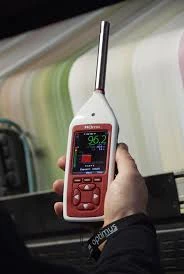
While it might sound complicated, the way we test sound is actually very logical and straightforward. Professionals use a device called a sound level meter that is built to hear exactly like a human ear does. This device measures the pressure of the sound waves in the air and turns them into a decibel reading. Before any test starts, the tool is checked with a calibrator to make sure it is reading correctly. The person doing the test will usually look at the average noise over a long period of time rather than just one loud moment, as this gives a much more accurate picture of the environment.
They also have to be careful about external things like wind, rain, or even the temperature, which can all change how sound travels and how the meter picks it up. By following a careful and consistent process, they can get a very accurate picture of the noise in any given spot. This information is then used to create a detailed plan to make the area quieter and safer. Whether it is adding more insulation to a wall or moving a loud piece of equipment to the basement, the data from the test tells the experts exactly what needs to be done to improve the situation.