
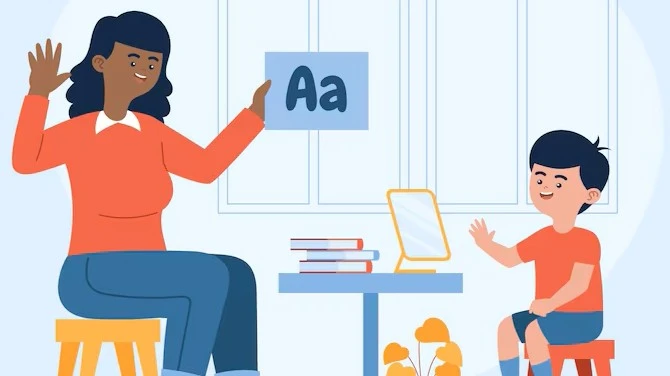
Early childhood education plays a critical role in shaping a child’s future learning and development. Children in pre-kindergarten (Pre-K) are at a formative stage where foundational skills in literacy, numeracy, social interaction, and emotional regulation are developed. For many families, hiring a professional Pre-K tutor has become an essential step in providing children with the personalized attention they need to thrive academically and socially.
Understanding the Role of a Pre-K Tutor
A Pre-K tutor is a trained professional who works with young children to build essential skills before they enter kindergarten. Unlike traditional classroom settings, tutoring offers individualized learning experiences tailored to each child’s pace and interests. Tutors provide structured guidance in areas such as early literacy, number recognition, basic math concepts, fine motor skills, and social-emotional development. By focusing on the unique needs of each child, a tutor ensures that learning is engaging, effective, and confidence-boosting.
Why Early Intervention Matters
Research shows that early intervention in education can have a long-lasting impact on a child’s academic journey. Children who receive focused attention in their pre-K years are better prepared for kindergarten and subsequent grades. They develop critical thinking skills, improve language and communication abilities, and gain confidence in social interactions. A Pre-K tutor can identify gaps in learning, provide targeted support, and introduce concepts in an age-appropriate manner, ensuring children are ready to tackle future educational challenges.
Personalized Learning
One of the most significant advantages of hiring a Pre-K tutor is personalized learning. Every child learns differently—some may excel in language but struggle with numbers, while others may need extra support in fine motor skills. Tutors assess each child’s strengths and weaknesses and design customized lesson plans. This approach ensures that children remain engaged, motivated, and challenged at an appropriate level. Personalized attention also helps prevent frustration and promotes a love for learning from an early age.
Developing Early Literacy Skills
Literacy is a fundamental aspect of early childhood education. Pre-K tutors focus on building phonemic awareness, letter recognition, vocabulary, and early reading skills. Through interactive activities, storytelling, and guided reading sessions, children develop the foundational skills necessary for fluent reading and comprehension. By reinforcing these skills in a one-on-one setting, a Pre-K tutor helps children gain confidence in their abilities and prepares them for the literacy demands of kindergarten.
Enhancing Numeracy and Problem-Solving Skills
In addition to literacy, numeracy is a critical component of pre-K education. Tutors introduce children to basic math concepts such as counting, number recognition, patterns, shapes, and simple addition and subtraction. Through hands-on activities and playful exercises, children learn to approach problem-solving creatively and confidently. A Pre-K tutor ensures that mathematical concepts are introduced gradually, making learning enjoyable and meaningful rather than overwhelming.
Fostering Social-Emotional Development
Social-emotional development is equally important in the early years. Children must learn to interact with peers, manage emotions, and develop empathy and self-regulation. A Pre-K tutor incorporates activities that encourage cooperation, turn-taking, and communication skills. By modeling positive behaviors and providing constructive feedback, tutors help children build a strong foundation for emotional intelligence, which is essential for success in school and life.
Building Confidence and Independence
Confidence is a critical factor in early learning. Children who feel capable are more likely to engage in new challenges, persist through difficulties, and enjoy the learning process. Tutors provide consistent encouragement and celebrate small achievements, reinforcing a child’s belief in their abilities. This positive reinforcement fosters independence and curiosity, encouraging children to explore, ask questions, and develop a lifelong love of learning.
Tailored Learning Environment
Unlike a classroom where one teacher must manage many students, a Pre-K tutor offers a controlled, distraction-free learning environment. Lessons can be tailored to the child’s attention span, interests, and learning style. Whether it’s through educational games, interactive reading, or hands-on activities, the tutor creates an atmosphere where children feel safe, supported, and motivated to learn. This focused environment ensures that learning is both effective and enjoyable.
The Benefits for Parents
Hiring a Pre-K tutor not only benefits children but also provides support to parents. Tutors guide parents on how to reinforce learning at home, suggest appropriate educational activities, and provide regular progress updates. This collaboration between tutor, child, and parent ensures a consistent and comprehensive approach to early childhood education, allowing families to actively participate in their child’s growth and development.
Long-Term Academic Advantages
The advantages of working with a Pre-K tutor extend well beyond the pre-kindergarten years. Children who enter kindergarten with strong literacy, numeracy, and social-emotional skills are more likely to excel academically, participate confidently in classroom activities, and maintain motivation throughout school. Early success fosters a growth mindset, which encourages children to embrace challenges and develop resilience in their learning journey.
Choosing the Right Pre-K Tutor
Selecting the right tutor is crucial. Parents should look for individuals with experience in early childhood education, a genuine passion for teaching young children, and the ability to create engaging, age-appropriate lessons. The Pre-K tutor stands out due to their expertise, dedication, and proven track record in helping children build foundational skills while enjoying the learning process.
Conclusion
Early childhood education sets the stage for lifelong learning. A Pre-K tutor provides the personalized attention, guidance, and structured learning experiences necessary to give children a head start in their educational journey. By focusing on literacy, numeracy, social-emotional development, and confidence-building, tutors help children develop essential skills that will benefit them throughout their academic careers. Investing in professional pre-K tutoring ensures that children are well-prepared, motivated, and excited to embark on their educational path, laying the foundation for future success.
Parents seeking to maximize their child’s potential will find that a Pre-K tutor offers the expertise, support, and individualized approach needed to foster early academic achievement and a lifelong love of learning. By emphasizing foundational skills, nurturing curiosity, and promoting confidence, professional tutoring gives children a valuable advantage as they begin their educational journey.