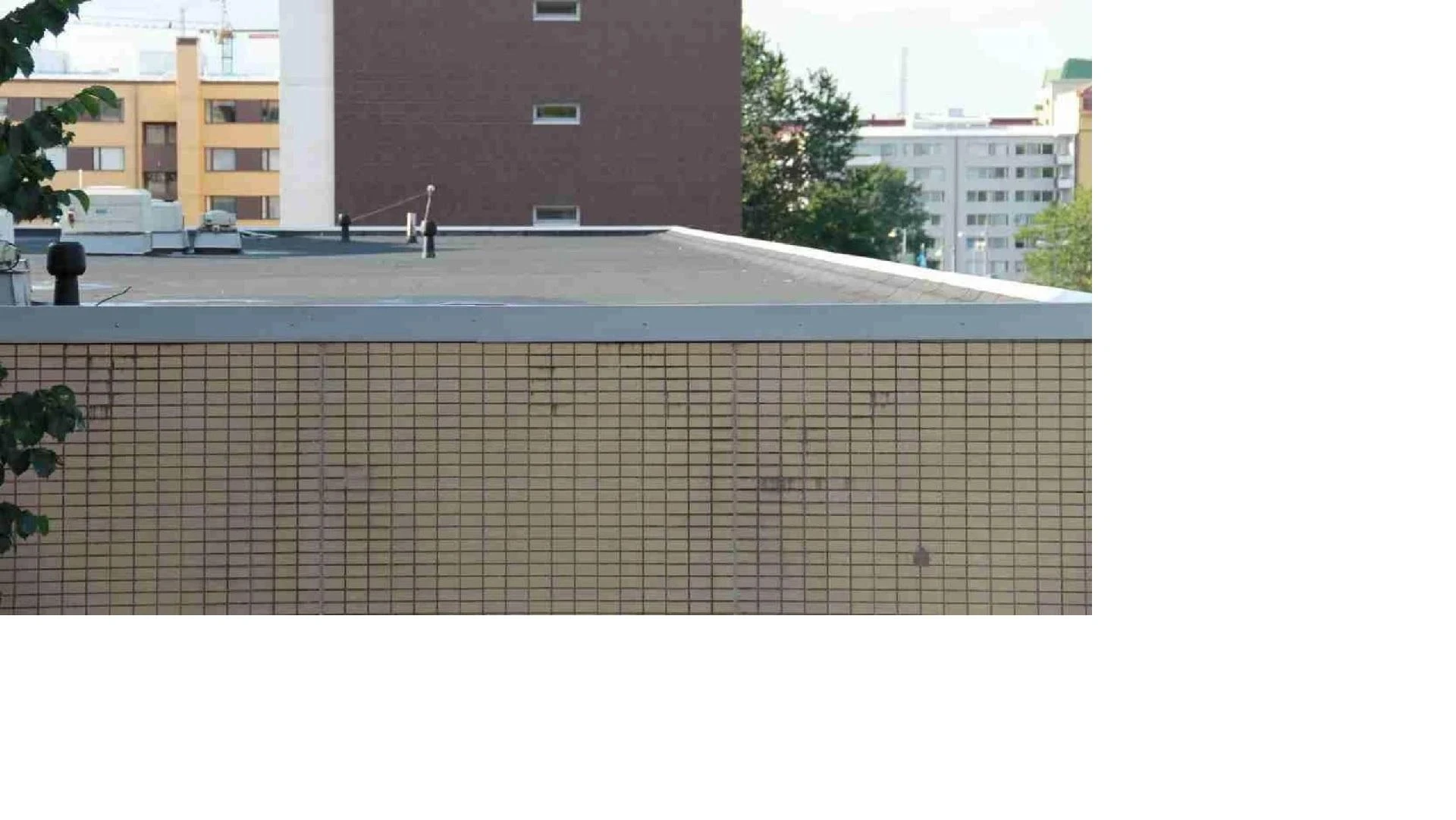
A durable and professionally installed roof is one of the most critical components of any commercial property. Whether you operate an office building, retail space, warehouse, or industrial facility, your roof protects valuable assets, equipment, employees, and customers. Over time, constant exposure to sunlight, rain, wind, and temperature changes can weaken roofing materials. When ongoing repairs are no longer sufficient, investing in a new roofing system becomes the most practical and cost-effective decision.
A high-quality commercial roofing system does more than provide protection. It also enhances energy efficiency, supports structural integrity, and contributes to the long-term value of your property. Business owners who prioritize roofing upgrades often experience fewer disruptions and lower maintenance costs over time.
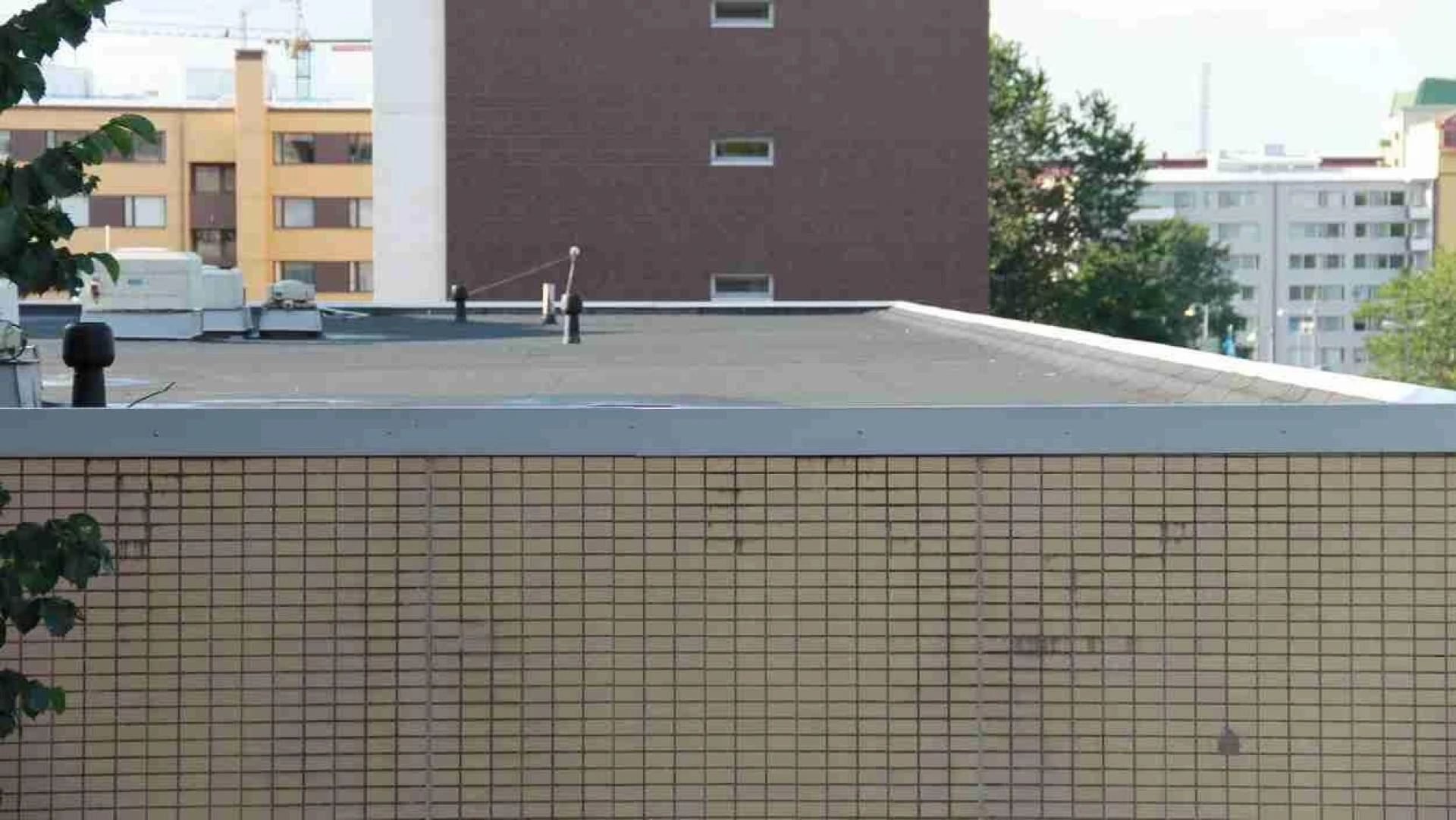
Why Professional Commercial Roof Installation Matters
Choosing experienced professionals for your roofing project is essential. Proper commercial roof installation ensures that materials are applied correctly, drainage systems function efficiently, and structural components are securely integrated. Even the best roofing materials can fail if installation is not handled with precision and expertise.
A poorly installed roof can result in leaks, mold growth, insulation damage, and even structural deterioration. These issues can disrupt business operations and lead to unexpected expenses. By working with skilled roofing contractors, you reduce risks and ensure your building remains protected for years to come.
Popular Commercial Roofing Materials
TPO Roofing Systems
Thermoplastic Polyolefin roofing is known for its energy efficiency and reflective properties. It is commonly used on flat and low slope roofs and offers excellent resistance to UV exposure and heat.
EPDM Rubber Roofing
EPDM is a durable synthetic rubber membrane that performs well in varying weather conditions. It is widely used for commercial buildings because of its flexibility and long lifespan.
Metal Roofing
Metal roofing systems are valued for their strength, longevity, and minimal maintenance requirements. They are particularly suitable for industrial and large-scale commercial properties.
Modified Bitumen and Built-Up Roofing
These traditional roofing systems provide multiple layers of protection and are often selected for their reliability and durability.
A professional roofing contractor will evaluate your building structure, climate conditions, and operational needs before recommending the most suitable material.
Benefits of Upgrading Your Commercial Roof
Enhanced Energy Efficiency
Modern roofing systems are designed to improve insulation and reflect heat. This reduces cooling demands and helps lower energy bills, especially in warmer climates.
Improved Weather Resistance
A new roof strengthens your building’s defense against heavy rain, strong winds, and temperature fluctuations. Proper sealing and drainage prevent water intrusion and structural damage.
Long Term Cost Savings
While a new roof requires an initial investment, it significantly reduces the need for frequent repairs. Preventive installation ensures fewer disruptions and long-term financial stability.
Increased Property Value
A well-maintained commercial property with a modern roof is more attractive to investors, tenants, and potential buyers. It enhances the overall appearance and credibility of your business.
Planning and Project Management
Commercial roofing projects require careful planning and coordination. Many businesses need roofing work completed while continuing daily operations. Experienced contractors understand the importance of minimizing disruption and maintaining safety throughout the installation process.
From inspection and preparation to final quality checks, each stage of the project must follow building codes and industry standards. Effective project management ensures timelines are met and that every detail is handled professionally.
If your building is showing signs of leaks, aging materials, or structural wear, it may be time to consider commercial roof installation. Upgrading your roofing system strengthens protection, improves efficiency, and supports uninterrupted business performance.
Ongoing Maintenance and Long-Term Performance
Even after installation, routine inspections are essential to maximize the lifespan of your roof. Regular maintenance helps detect minor issues before they become costly repairs. Business owners who schedule periodic assessments protect their investment and ensure consistent performance year after year.
A reliable commercial roof is more than just a structural feature. It is a long-term asset that safeguards your operations, supports energy efficiency, and enhances overall property value. By partnering with trusted roofing professionals, you ensure your commercial building remains secure, durable, and prepared for the future.