
When it comes to ensuring the safety and well-being of students, school staff play a crucial role. Teachers, administrators, and other staff members are the first responders in the event of an emergency, and their ability to react swiftly and effectively can make all the difference. In this context, first aid training is essential.
It equips school staff with the PALS certification skills to handle a variety of medical emergencies, from minor injuries to life-threatening situations. This blog will explore why first aid training is so important for school staff, discuss the benefits of having trained staff, and provide insights into how schools can implement these programs.
Why First Aid Training is Crucial for School Staff
Schools are bustling environments with students actively engaging in various activities, which can sometimes lead to accidents and emergencies. From playground injuries to medical conditions such as allergic reactions or asthma attacks, incidents requiring immediate attention can happen at any moment. First aid training for school staff empowers them with the knowledge and skills necessary to handle such emergencies effectively.

When staff are trained in CPR & AED training, first aid and CPR certification, and emergency medical response, they can provide immediate care until professional medical help arrives. This can significantly reduce the severity of an injury or even save a life. Moreover, trained staff members are more confident in their ability to respond to emergencies, which ensures a quicker and more organized response when needed.
The Benefits of First Aid Training for School Staff
1. Improved Response Time in Emergencies: One of the most significant advantages of first aid training is that it improves response time. In emergency situations, time is critical. Having staff who are trained in CPR & AED training, pediatric life support certification, and basic first aid can help prevent the worsening of an injury or condition until medical professionals arrive. Quick and efficient action can save lives.
2. Increased Confidence Among Staff: Knowing what to do in an emergency can be intimidating. However, first aid and CPR training provides the tools and knowledge staff need to feel confident when handling medical emergencies. This confidence translates into better decision-making, quicker actions, and the ability to stay calm under pressure.
3. Enhances Student and Parent Trust: Parents entrust their children to schools with the expectation that their child’s safety is a top priority. When parents know that school staff is trained in CPR first aid certification, they feel more confident about their child's safety. This can improve the school's reputation and foster a sense of trust between the school and the families it serves.
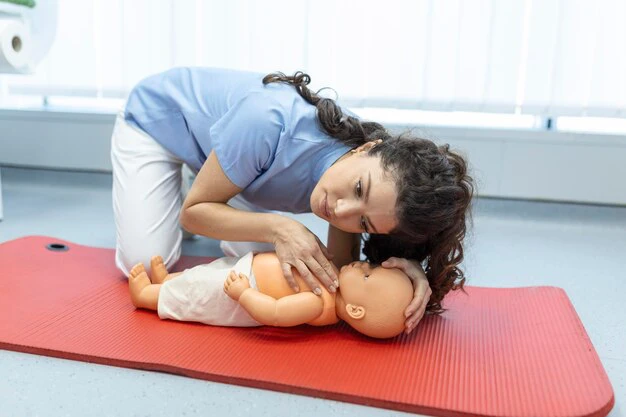
4. Reduces the Risk of Complications: In emergencies such as choking, heart attacks, or severe allergic reactions, immediate first aid is vital. Trained staff can prevent the situation from worsening by administering first aid before paramedics arrive. This timely intervention can significantly reduce the risk of complications and lead to better outcomes for the affected individual.
5. Compliance with Regulations: In many regions, educational institutions are required to have staff trained in first aid and CPR. By ensuring that your school has a sufficient number of trained staff, you are not only improving safety but also meeting legal requirements. This can help avoid liability issues and ensure compliance with local and state regulations.
How First Aid Training Saves Lives in School Settings
Consider a scenario where a student has a severe allergic reaction to food or insect stings while at school. If a staff member is trained in first aid and CPR certification, they will know to administer the appropriate first aid and call emergency services immediately. In such cases, quick action is often the difference between life and death.
Another example might be a student collapsing in the hallway due to a medical issue like a cardiac arrest. If the school staff has received ACLS certification and CPR & AED training, they can initiate chest compressions and use an Automated External Defibrillator (AED) to restart the student's heart, potentially saving their life.
How Schools Can Implement First Aid Training Programs
For schools to ensure the safety of their students, they must have a robust first aid training program in place. Here are some steps schools can take to implement such programs:
1. Identify Key Personnel to Train: Schools should prioritize training for staff members who have frequent contact with students, such as teachers, school nurses, custodians, and coaches. These individuals are most likely to be present during emergencies and can act quickly to provide first aid.
2. Offer Comprehensive Training Programs: Training should cover a range of scenarios, including CPR for children and adults, how to use an AED, basic first aid, and handling specific medical conditions like asthma or severe allergic reactions. An online PALS certification course or first aid and CPR course can be helpful for ensuring that staff members have the necessary knowledge to respond to various emergencies.
3. Ensure Regular Training and Recertification: It’s essential that schools not only train staff but also ensure that they renew their certifications periodically. AHA PALS certification, ACLS certification, and CPR and first aid training must be kept up to date to ensure that staff are familiar with the latest emergency response protocols and techniques.
4. Foster a Culture of Preparedness: Schools should encourage a culture where safety and preparedness are priorities. This includes providing staff with the resources and training they need to respond to medical emergencies confidently and ensuring that students are aware of the procedures to follow in case of an emergency.
For schools in need of professional CPR and first aid training, ACLS certification courses, and pediatric life support certification, CPR, ACLS & PALS Training Institute LLC offers comprehensive programs to ensure that your staff is fully equipped to handle any emergency. Call them now to prepare your school staff for a safer tomorrow.