Most people do not think much about their pipes until there is a leak or low water pressure. But hidden inside those pipes, a problem called scaling can quietly build up and cause serious trouble.
Scaling happens when minerals in the water, like calcium and magnesium, stick to the inside of your pipes. Over time, this buildup gets worse, blocking water flow and damaging your system. That is where a proper repiping system inspection comes in. Catching scaling early can save you from costly repairs or full replacements down the road.
What Exactly is Pipe Scaling?
Pipe scaling is like plaque buildup inside your water pipes. It mostly happens in areas with hard water, which contains a lot of minerals. As water flows through your pipes, those minerals stick to the walls.
At first, it may not seem like a big deal. But over time, the layer of scale grows thicker. Eventually, it narrows the space inside the pipe, leading to problems like:
● Weak water pressure
● Uneven water flow
● Higher energy bills
● Damage to fixtures and appliances
In severe cases, scaling can even cause pipes to clog completely or crack. That is why many property owners schedule a repiping system inspection to stay ahead of these hidden issues.
Why You Should Not Ignore Scaling
The tricky thing about scaling is that it builds up quietly. You may not notice it right away, but your water system is already working harder. Appliances like water heaters, dishwashers, and washing machines also suffer when pipes are clogged with scale.
Ignoring the problem can lead to expensive breakdowns or early replacements. Even worse, scaling makes your water system less efficient, costing you more money each month.
The good news is, inspections can help catch scaling before it gets out of hand.
What Inspections Can Reveal
During a repiping system inspection, experts check your pipes for signs of scaling, corrosion, and other damage. They may use cameras to look inside the pipes or test the water flow in different areas.
An inspection can reveal:
- How severe the scaling is
- Which areas of your piping are affected
- If there are signs of leaks or cracks starting
- If your system needs cleaning, repairs, or full replacement
Early detection gives you options. You might avoid costly repairs by handling the problem before it spreads.
When It Is Time for a Full Repiping System Installation
In some cases, the scaling is so severe that cleaning the pipes is not enough. If the buildup has weakened the pipes or caused leaks, a full repiping system installation may be the best option.
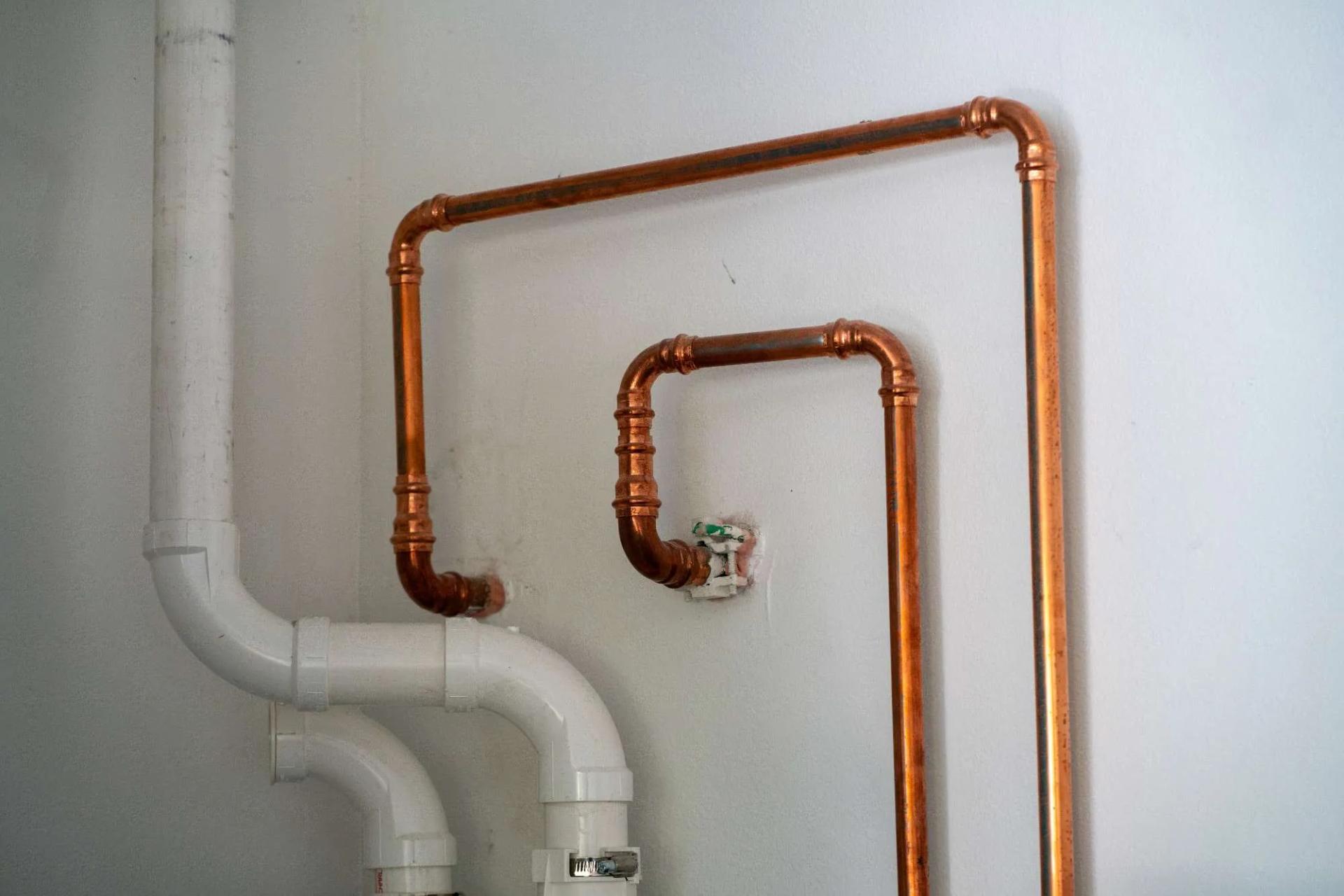
New piping systems often use materials like PEX or copper, which resist corrosion and scaling much better than older pipes. A proper repipe gives your home or property better water flow, stronger pressure, and fewer headaches in the future.
Signs You Might Have a Scaling Problem
Wondering if your pipes are affected? Watch for these warning signs:
● Water pressure has dropped recently
● Some faucets have uneven flow or stop working altogether
● Appliances that use water are breaking down more often
● You see white, chalky buildup on faucets or showerheads
If you notice any of these, it is smart to schedule a repiping system inspection to check things out.
Do Not Let Scaling Catch You Off Guard
Scaling inside your pipes is easy to overlook, but it can lead to big problems if ignored. Staying ahead with regular inspections protects your property, keeps your water flowing, and helps avoid costly repairs.
If your pipes are older or you suspect buildup, it may be time for a new repiping system installation. Upgrading your system keeps your water clean, your appliances running smoothly, and gives you peace of mind.