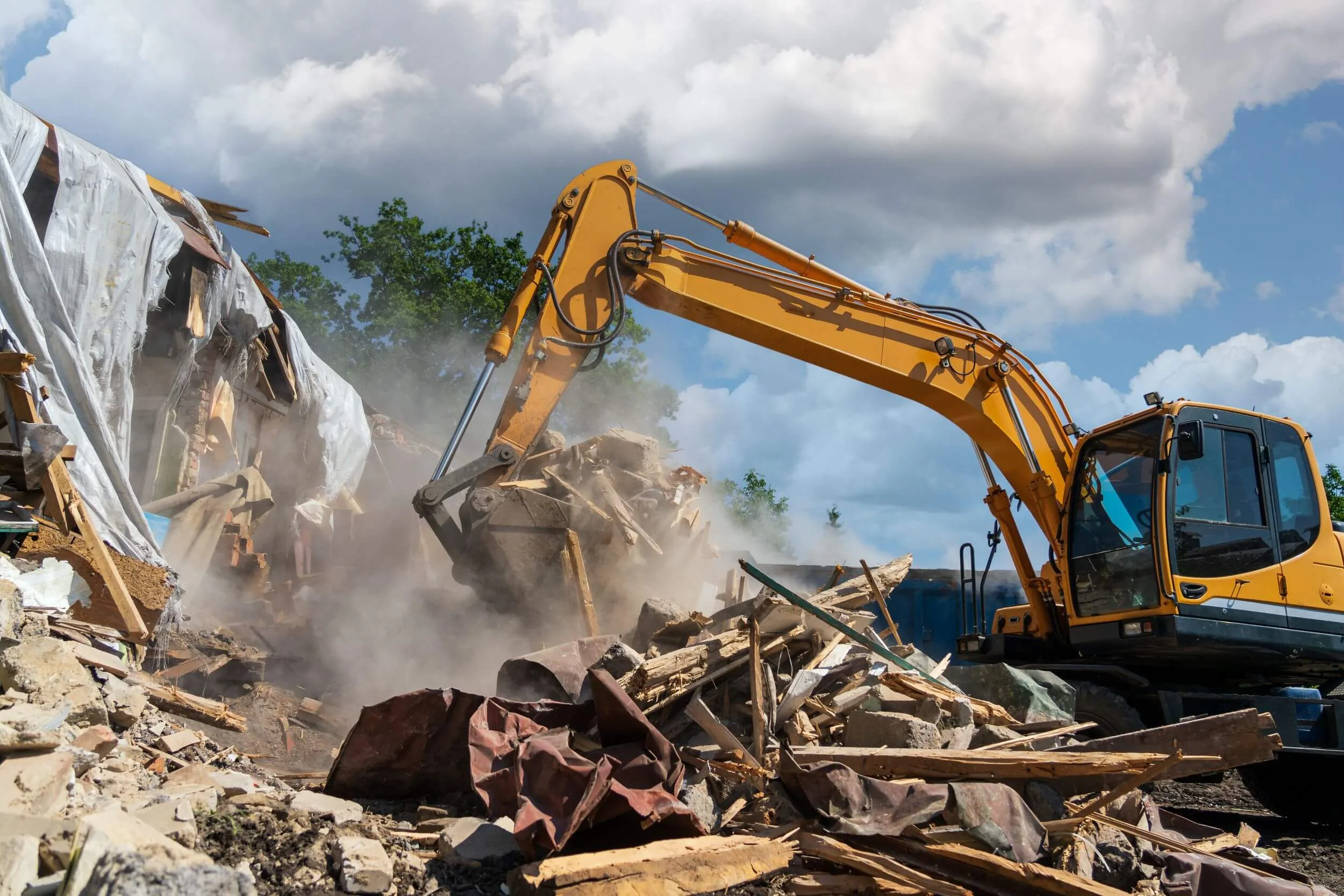
Removing an unwanted building or structure requires more than heavy machinery and physical labor. Whether a property owner needs to remove an aging house, damaged garage, commercial building, concrete structure, or outdated outdoor feature, the demolition process must be carefully planned and properly managed. Professional DFW demolition services help property owners complete these projects through organized site preparation, experienced equipment operation, controlled structural removal, and responsible debris management. A well-executed teardown also prepares the property for its next purpose while reducing unnecessary risks and delays.
Across the Dallas-Fort Worth area, demolition projects can involve different property types, construction materials, and site conditions. A residential garage removal project may be relatively straightforward, while demolishing an entire commercial structure can require extensive inspections, utility coordination, specialized equipment, and additional safety measures. Understanding how professional contractors approach each stage helps property owners make informed decisions. It also explains why choosing an experienced demolition company is important for achieving an efficient and properly managed result.
Understanding the Demolition Process Before Work Begins
Every successful demolition project starts with a thorough evaluation of the structure and surrounding property. Contractors examine the building's size, construction materials, structural condition, accessibility, and proximity to neighboring properties. They also identify potential obstacles such as fences, driveways, underground utilities, overhead power lines, and nearby landscaping. This information helps determine which demolition method, equipment, and safety procedures are appropriate for the project.
The initial assessment also allows contractors to understand the property owner's expectations. Some projects require complete structural removal, while others involve removing only selected sections of a building. Interior demolition may focus on flooring, cabinets, drywall, ceilings, and fixtures while leaving the main structural framework intact. By defining the project scope early, contractors can prepare a more accurate estimate and establish a realistic schedule for the work.
Planning for Safety and Regulatory Requirements
Safety is one of the most important considerations during demolition because structural removal can expose workers and nearby properties to several hazards. Falling materials, unstable walls, dust, heavy machinery, and hidden utilities can create dangerous conditions if the project is not properly managed. Professional contractors develop a work plan that identifies potential risks and establishes appropriate procedures for controlling the demolition area. Depending on the structure, this may include restricted access zones, protective equipment, equipment positioning, and controlled material removal.
Permits and regulatory requirements must also be considered before demolition begins. Depending on the property's location and the scope of work, local authorities may require demolition permits, inspections, documentation, or additional approvals. Utility services such as electricity, natural gas, water, and sewer connections may need to be disconnected or secured through the appropriate providers. Older structures may also require inspections for asbestos, lead-based paint, or other hazardous materials before demolition activities proceed.
Selecting the Right Equipment for Efficient Teardowns
Professional demolition contractors use different types of equipment depending on the structure and the surrounding conditions. Excavators, hydraulic attachments, skid steers, loaders, concrete breakers, and specialized cutting tools can all play a role in residential and commercial demolition. Choosing suitable machinery helps operators remove materials efficiently while maintaining better control over the work area. Equipment selection also depends on available access, building height, structural materials, and the amount of debris expected.
Using the right equipment can make a significant difference in both project efficiency and site safety. For example, excavators with appropriate attachments may be used to dismantle larger structures, while smaller machines can work in restricted residential spaces. Concrete breakers can help remove foundations, patios, and driveways that require additional processing. Experienced operators understand how to position machinery, manage material movement, and adjust their approach when site conditions change during the project.
How Contractors Perform Controlled Structural Removal
Once inspections, planning, and site preparation are complete, the actual demolition process can begin. Depending on the project, contractors may start by removing selected interior materials, fixtures, doors, windows, or other components before addressing the main structure. This approach can make it easier to separate different materials and identify items that require special handling. For complete teardowns, operators follow a planned removal sequence based on the building's construction and surrounding conditions.
Controlled demolition requires attention throughout the operation rather than relying entirely on machinery. Operators monitor structural movement, material stability, equipment access, and the condition of nearby property features. Workers also need to manage dust and loose debris to maintain safer conditions around the demolition area. A professional crew adjusts its methods when unexpected conditions arise instead of continuing with an approach that may create unnecessary risks.
Managing Debris Removal and Responsible Disposal
After structural removal, construction debris must be collected, separated, transported, and handled appropriately. Common demolition materials include wood, concrete, brick, metal, drywall, roofing materials, and insulation. Some materials may be suitable for recycling or recovery, while others require disposal through approved facilities. Separating materials where practical can improve waste management and reduce the amount of debris sent to landfills.
Debris management should be included in the project plan from the beginning. Large piles of concrete, broken building materials, and loose waste can interfere with equipment movement and create additional hazards if left unmanaged. Contractors may use loaders, dumpsters, hauling vehicles, and specialized equipment to clear the work area. Property owners should confirm whether transportation, disposal fees, recycling, and final cleanup are included in the written estimate.
Coordinating Demolition With Land Clearing and Site Preparation
Demolition is often only one part of a larger property improvement project. Once a building or unwanted structure has been removed, the surrounding land may still contain trees, thick brush, stumps, rocks, old fencing, or other obstacles. Coordinating demolition with land clearing dfw tx services can help property owners prepare the entire site for construction, landscaping, or redevelopment. This is especially useful for properties where vegetation and existing structures both prevent access to the areas that need improvement.
Land clearing and demolition involve different operations, but they can be planned together for better project coordination. Demolition crews focus on removing unwanted structures, while land clearing professionals handle vegetation, trees, brush, and related obstacles. Depending on the property's condition, additional services may include stump removal, forestry mulching, excavation, grading, and debris hauling. Establishing the correct sequence helps avoid unnecessary equipment movement and allows each stage to support the next.
Preparing the Site After Demolition Is Complete
A professional teardown should leave the property in a condition that matches the agreed project scope. After the structure and debris have been removed, contractors may need to address remaining foundations, concrete slabs, buried materials, or other underground obstructions. Some projects require excavation to remove these materials, while others may need backfilling and grading to create a more usable surface. The appropriate finishing work depends on whether the property will be rebuilt, landscaped, expanded, or left available for future development.
Drainage and ground conditions should also be considered during post-demolition preparation. Removing a structure and disturbing surrounding soil can change how rainwater moves across a property. If grading is included, the contractor should follow the project's requirements and consider existing drainage patterns. Proper site preparation can make it easier for subsequent construction crews to begin their work without dealing with avoidable obstacles or unfinished cleanup.
Choosing a Reliable DFW Demolition Contractor
Selecting a qualified contractor is essential for keeping demolition work organized and professionally managed. Property owners should evaluate relevant experience, insurance coverage, equipment capabilities, safety practices, and the company's ability to explain its proposed process. Ask whether the contractor has completed projects similar to yours and whether the estimate includes structural removal, concrete breaking, debris hauling, disposal, and final site cleanup. A detailed proposal makes it easier to compare contractors based on the actual services provided.
Communication is another important factor when choosing a demolition company. A dependable contractor should explain the expected timeline, permit responsibilities, utility coordination, potential hazards, and any additional services that may be required. Property owners should also discuss how neighboring structures, driveways, fences, landscaping, and underground installations will be protected. Reviewing these details before signing an agreement can help prevent misunderstandings and unexpected project expenses.
Why Professional Demolition Makes a Difference
A safe and efficient teardown depends on proper planning, suitable equipment, experienced operators, and organized debris management. Professional DFW demolition services bring these elements together to help property owners remove unwanted structures and prepare their land for future improvements. From the initial inspection to controlled structural removal and final cleanup, every stage contributes to the overall quality of the project. Choosing a contractor who understands the complete process can also make it easier to coordinate demolition with other property preparation services.
For property owners planning broader improvements, combining demolition with land clearing dfw tx services can provide a more complete approach to site preparation. Removing structures, unwanted vegetation, stumps, and debris creates a more accessible space for construction, landscaping, or redevelopment. By defining project requirements, confirming applicable regulations, and hiring experienced professionals, property owners can approach their teardown with greater confidence and establish a practical foundation for whatever comes next.