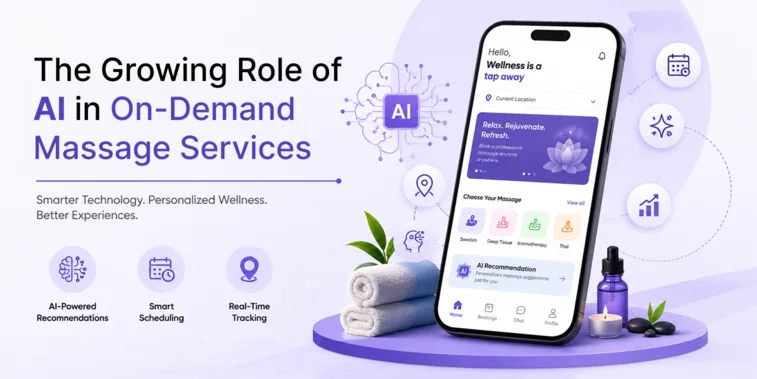
In recent years, the wellness industry has witnessed a significant transformation, driven largely by advancements in technology and changing consumer expectations. Among the most notable innovations is the integration of artificial intelligence (AI) into on-demand massage services, which has reshaped how clients access and experience therapeutic treatments. With the ability to personalize services, streamline operations, and enhance customer interactions, AI is not just a tool but a game-changer in the realm of massage therapy. As this trend continues to evolve, understanding the implications of AI in on-demand massage services becomes essential for both consumers and providers alike.
Introduction to On-Demand Massage Services
In our fast-paced world, self-care often takes a backseat—unless it’s right at your doorstep. Enter on-demand massage services: the hero we didn’t know we needed. With just a few taps on your smartphone, you can summon a therapist to relieve your stress, tension, and the occasional bad posture caused by too much Netflix and not enough stretching. Gone are the days of scheduling appointments weeks in advance; this is wellness at your convenience!
Overview of the On-Demand Economy
The on-demand economy has become a buzzword in recent years, describing the phenomena where goods and services are available immediately through technology. From rideshare apps to food delivery, we’ve grown accustomed to having what we want—when we want it. Massage services are no different. With the rise of on-demand platforms, consumers demand flexibility and instant gratification, leading to a growing appetite for relaxation on their terms.
Growth Factors in On-Demand Massage
Why the surge in on-demand massage services? Well, it’s a perfect blend of convenience and self-care. Add a sprinkle of societal pressures to balance work and life (hint: they don’t balance, they tango), and you've got the perfect recipe for a booming industry. Increased smartphone usage, an emphasis on wellness, and the need for stress relief have spurred this trend. If you can book a ride to the airport in the blink of an eye, why not a massage to ease your tension before that flight?
The Evolution of AI Technology in Wellness
As we step into the future, artificial intelligence (AI) is taking on a role that’s anything but robotic. Moving beyond simple automated tasks, AI is reshaping the wellness industry, including how we book and experience on-demand massage services. From algorithms predicting our needs to virtual assistants aiding in scheduling, AI is the unsung hero that’s quietly making relaxation smarter.
Key AI Technologies Transforming the Industry
AI technologies such as machine learning, predictive analytics, and natural language processing are now making waves in the massage service world. These technologies can analyze vast amounts of data to predict what a user might want before they even know they need it (like that second slice of cake). Chatbots can assist with booking, and personalized recommendations ensure that your massage is tailored not just to your preferences, but to what your weary body craves.
Historical Context: From Traditional to AI-Driven Services
Remember when you had to flip through directories and make long-distance calls to book a massage? Yeah, cringe. The evolution from traditional appointment-setting to AI-driven services has been nothing short of revolutionary. Early on, the industry relied on word of mouth and local ads. Now, AI tailors the experience, enabling instant access to all the relaxation you desire with a side of tech-savvy efficiency. We’ve truly come a long way from calling up the local spa and hoping they had an opening.
Enhancing Customer Experience through AI
When it comes to user experience, AI is elevating the on-demand massage game to a whole new level. Think of AI as your personal wellness concierge—minus the bow tie and waistcoat, of course. This technology is here to anticipate your needs, making your journey to relaxation smoother and more enjoyable.
AI Chatbots and Customer Support
Gone are the days of being placed on hold while listening to elevator music that makes your head spin. AI chatbots are stepping in, providing instant responses to your queries and assisting with bookings. They can handle everything from appointment changes to therapist preferences, ensuring you feel like a VIP without the price tag. Need a deep tissue massage on a Tuesday at 3 PM? No problem—just ask your trusty chatbot!
Feedback and Improvement through AI Analysis
Ever found yourself wondering if your last massage really hit the spot? AI has your back—literally. Through analyzing feedback and reviews, AI can pinpoint what works and what doesn’t in the world of massage services. This data helps providers continuously improve their offerings, making each session better tailored to your needs while also helping massage therapists hone their skills. It’s like a feedback loop of awesomeness!
AI-Driven Personalization in Massage Services
In a world where we’re all unique snowflakes, it only makes sense that our massages should be as well. AI is stepping in to create a truly individualized experience, ensuring you get exactly what you want out of your relaxation time.
Data-Driven Insights for Tailored Treatments
AI analyzes your previous bookings, preferences, and even your health data (with your permission, of course!) to offer tailored treatments. Feeling sore from that spin class? AI can suggest a recovery massage that zeroes in on your problem areas. It’s like having a personal trainer for your relaxation routine—except, let's be real, much less sweaty.
Creating Individualized Client Profiles
With AI, each client can be assigned a unique profile based on their habits, preferences, and feedback. This ensures that every massage is customized for maximum bliss. No more guessing games—your therapist will know you prefer a little less pressure on the shoulders and more attention to those overworked feet. Because let’s face it, your feet deserve love too!
Operational Efficiency: How AI Streamlines Booking and Management
Automated Scheduling Systems
AI-powered scheduling systems are revolutionizing how massage services manage appointments. Gone are the days of endless phone tag and calendar chaos! With just a few clicks, customers can book, reschedule, or cancel appointments, all while AI algorithms optimize the availability of therapists. These automated systems not only reduce no-shows by sending reminders but also analyze peak booking times to help businesses adjust their staffing accordingly. It’s like having a super-efficient personal assistant who knows what you need before you do—minus the coffee breaks!
Inventory and Resource Management with AI
Managing supplies and resources can feel like trying to solve a Rubik’s cube while blindfolded. Enter AI, the unsung hero of inventory management! By tracking usage patterns, predicting demand, and even suggesting reorders at just the right time, AI takes the hassle out of keeping the essentials stocked. Massage service providers can focus more on delivering top-notch experiences instead of worrying about running out of massage oils or towels. With AI handling the nitty-gritty, managers can breathe a little easier—and maybe even steal a moment for self-care themselves!
Challenges and Ethical Considerations in AI Integration
Data Privacy Concerns
As appealing as AI is, it does come with a few bumps on the road—like data privacy concerns. The collection of client data for personalized experiences can feel like a double-edged sword. While it enhances service quality, mishandling or breaches could lead to privacy nightmares. Consumers want to feel safe, not like they’ve just signed up for unsolicited emails from every spa “offering the best massage in town.” It’s crucial for businesses to prioritize data protection and transparent practices to earn their clients' trust—and avoid a PR dumpster fire.
Ensuring Quality and Safety in AI Services
With great power comes great responsibility—especially when it comes to AI in massage therapy. Ensuring quality and safety becomes paramount as AI systems take on more roles. For instance, can an AI effectively assess a client's specific needs or ensure that only trained professionals deliver massages? Service providers must put measures in place to validate AI recommendations and continuously train staff to maintain high standards. After all, nobody wants a robot giving them a massage! Providing a human touch in a tech-savvy world is still a must.
Future Trends: The Next Frontier for AI in Massage Therapy
Emerging Technologies and Innovations
The horizon of AI in massage therapy is teeming with potential. From VR experiences that allow clients to immerse themselves in tranquil environments while waiting for their appointment, to AI-driven wellness assessments tailored to individual needs, the innovations are endless! Imagine wearables that can recommend specific massage techniques based on muscle tension detected in real-time. It’s a brave new world where technology and relaxation combine, and the possibilities seem almost too good to be true—except they’re already on the drawing board!
Predictions for the Future of AI and Massage Services
Looking into our crystal ball, we can predict that the integration of AI in massage services will only deepen. Think personalized AI-driven consultations, where clients discuss their issues with an intelligent chatbot before their appointment, leading to tailor-made massages. Additionally, we could see AI analyzing massaging techniques across different cultures, finding the most effective blends, and sharing these insights globally. As the industry embraces AI, the future promises a perfect marriage of tech and touch that keeps clients coming back—so long as they don’t get too cozy with their virtual therapists!
Conclusion: Embracing AI for Enhanced Wellness Experiences
Summary of Key Insights
AI is reshaping on-demand massage services by boosting operational efficiency, managing resources intelligently, and enhancing customer experiences. However, as with any technology, it brings along challenges, particularly in data privacy and ensuring service quality. The future looks bright, with exciting innovations on the horizon that will make our wellness journeys even more personalized and effective.
Call to Action for Industry Stakeholders
It’s time for massage service providers to hop on the AI train! Embrace the technology, invest in secure systems, and focus on creating quality experiences that blend the benefits of AI with that all-important human touch. Industry stakeholders, let's collaborate, innovate, and ensure that the future of massage therapy is not just efficient, but enriching for every client. Your next loyal customer is just a click away!As AI continues to play a pivotal role in the evolution of on-demand massage services, both clients and providers stand to benefit from its innovative capabilities. By enhancing personalization, improving operational efficiency, and transforming customer experiences, AI is set to redefine the future of massage therapy. Embracing these advancements can lead to more satisfying wellness experiences, making it imperative for industry stakeholders to stay informed and adapt to this rapidly changing landscape.
Frequently Asked Questions (FAQs)
How does AI personalize massage services?
AI personalizes massage services by analyzing client data, preferences, and feedback to create tailored treatment plans that meet individual needs.
What are the benefits of using AI in booking and managing massage appointments?
AI streamlines the booking process by automating scheduling, managing availability, and optimizing resource allocation, making it easier for both clients and providers to coordinate appointments.
Are there any privacy concerns associated with AI in on-demand massage services?
Yes, there are privacy concerns related to the collection and storage of personal data. It is essential for service providers to implement robust data protection measures to safeguard client information.
What future trends can we expect in AI and on-demand massage services?
Future trends may include the integration of advanced technologies such as virtual reality for immersive experiences, further personalization through machine learning, and enhanced data analytics to improve service quality.