As pets grow older, their needs begin to change. The playful puppy or energetic kitten you once knew may gradually become less active, sleep more, or need additional support with everyday activities. Aging is a natural part of life, but that does not mean your senior pet cannot enjoy many happy, comfortable, and fulfilling years.
Senior dogs and cats often benefit from adjustments to their diet, exercise routine, home environment, and veterinary care. Paying attention to subtle changes can also help identify health concerns earlier, when they may be easier to manage.
If your pet is entering their golden years, here are eight practical ways to support your senior pet and help them maintain a good quality of life.
1. Schedule Regular Veterinary Checkups
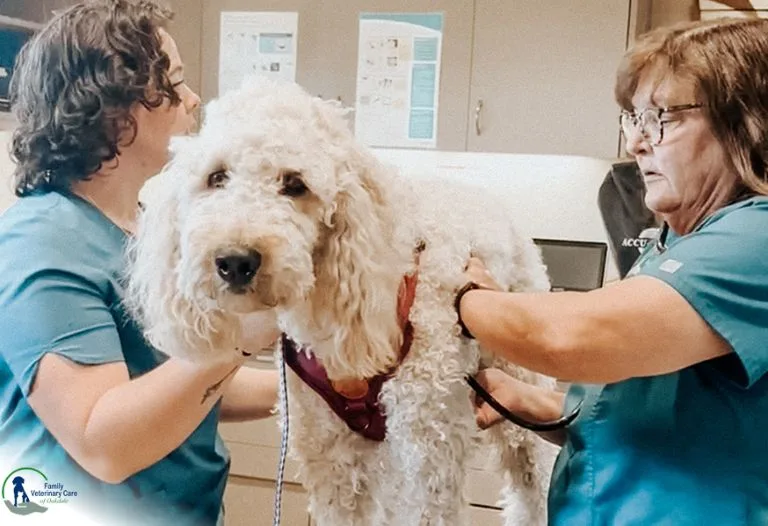
One of the most important things you can do for a senior pet is maintain regular veterinary examinations. Older pets can develop age-related health problems that may not be obvious at home.
Conditions involving the joints, heart, kidneys, liver, teeth, vision, hearing, or metabolism can develop gradually. Your pet may not show obvious signs until a condition has progressed.
Routine veterinary visits give your veterinarian an opportunity to monitor your pet's overall health and establish a baseline for comparison over time. Depending on your pet's age, breed, medical history, and individual needs, your veterinarian may also recommend bloodwork, urine testing, dental examinations, or other diagnostic tests.
Early detection can make a meaningful difference in managing many age-related conditions.
2. Adjust Your Senior Pet's Diet
Nutritional needs can change as pets age. Senior pets may have different calorie requirements and may benefit from diets formulated to support healthy aging.
Some older pets become less active, which can make weight gain easier. Others may lose muscle mass or experience changes in appetite. Maintaining a healthy body weight is particularly important because excess weight can place additional stress on aging joints and other body systems.
Talk with your veterinarian before making major dietary changes. They can help determine whether your pet needs a senior-specific food, changes in portion size, or nutritional adjustments based on their health.
Fresh water should always be readily available, especially for older pets.
3. Keep Them Moving With Gentle Exercise
Getting older does not mean your pet should stop exercising. In fact, appropriate physical activity can help support mobility, muscle strength, mental stimulation, and overall well-being.
The key is to match exercise to your senior pet's abilities.
Instead of long or strenuous activities, consider shorter walks, gentle play sessions, or low-impact activities. A senior dog may enjoy several short walks throughout the day rather than one long outing. Cats can benefit from gentle interactive play that encourages movement without putting excessive strain on their joints.
Pay attention to your pet's behavior. If they appear unusually tired, uncomfortable, or reluctant to move, stop the activity and speak with your veterinarian.
4. Make Your Home More Comfortable
Simple changes around the home can make a significant difference for an aging pet.
Senior dogs and cats may have difficulty navigating slippery floors, stairs, or elevated surfaces. Consider adding non-slip rugs or mats in areas where your pet frequently walks. A comfortable, supportive bed can also provide a cozy place to rest.
For pets experiencing reduced mobility, keeping food, water, and resting areas easily accessible can make daily routines less challenging.
Cats may appreciate a litter box with a lower entry point if climbing into a traditional box has become difficult. Dogs may benefit from ramps or steps when appropriate and when introduced safely.
Think about your home from your pet's perspective. Small environmental changes can help them remain independent and comfortable.
5. Pay Attention to Dental Health
Dental care remains important throughout a pet's life, but it becomes particularly valuable as pets age.
Dental disease can cause bad breath, discomfort, difficulty eating, inflamed gums, and other oral problems. Some pets continue eating normally even when they have significant dental issues, so changes may not always be obvious.
Watch for signs such as difficulty chewing, dropping food, excessive drooling, pawing at the mouth, facial swelling, or changes in appetite.
Regular veterinary dental examinations can help identify problems and determine whether professional dental cleaning or other treatment is needed.
At home, your veterinarian can also recommend appropriate dental care products and routines for your pet.
6. Monitor Changes in Behavior
Behavioral changes should not simply be dismissed as "old age."
An older pet may sleep more or become less energetic, but noticeable changes in behavior can sometimes indicate an underlying health problem.
For example, increased vocalization, confusion, house-soiling, restlessness, changes in sleep patterns, increased anxiety, or unusual irritability may deserve veterinary attention.
Keep an eye on your pet's daily habits. Changes in appetite, thirst, bathroom habits, activity levels, grooming, or interactions with family members can provide valuable information about their health.
If something seems different, tell your veterinarian. Even small observations can help with diagnosis and treatment.
7. Give Their Mental Health Extra Attention
Senior pets need mental stimulation and companionship just as much as younger animals.
Although an older pet may not have the same energy they once had, they can still enjoy activities that engage their senses and encourage interaction.
Try gentle puzzle toys, scent-based games, short training sessions, interactive toys, or calm play. For cats, food puzzles and controlled play can provide mental stimulation without requiring intense physical activity.
Most importantly, spend quality time together. Petting, grooming, talking to your pet, or simply sitting beside them can provide comfort and reassurance.
Maintaining familiar routines can also help older pets feel secure.
8. Watch for Changes and Act Early
Perhaps the most important part of caring for a senior pet is knowing your pet's normal behavior and recognizing when something changes.
Keep track of their eating habits, weight, mobility, sleep, bathroom routines, energy, and behavior. A simple journal can be useful, especially if changes happen gradually.
Some signs that deserve veterinary attention include:
- Significant weight loss or gain
- Increased thirst or urination
- Persistent coughing
- Difficulty breathing
- Trouble standing or walking
- Sudden behavioral changes
- Loss of appetite
- Repeated vomiting or diarrhea
- Difficulty eating
- New lumps or swelling
- Changes in vision or hearing
- Increased confusion or anxiety
You do not have to wait for a problem to become severe before seeking advice. If you are concerned about a change in your senior pet, contacting your veterinary team is a good first step.
Helping Your Senior Pet Enjoy Their Golden Years
Senior pets may slow down, but they still have plenty of love, personality, and companionship to offer. Their golden years can be a wonderful stage of life when their changing needs are recognized and supported.
Regular veterinary care, appropriate nutrition, gentle exercise, comfortable surroundings, dental care, mental stimulation, and close observation can all contribute to your pet's well-being.
Most importantly, give your senior pet patience and attention. They may need more rest, more help getting around, or a little extra reassurance than they did when they were younger. These small acts of care can make everyday life more comfortable.
If your dog or cat is entering their senior years, talk with your veterinarian about creating an individualized wellness plan. Every pet ages differently, and personalized veterinary guidance can help you make informed decisions as their needs evolve.
The golden years are not simply about getting older—they are about making every year count.