
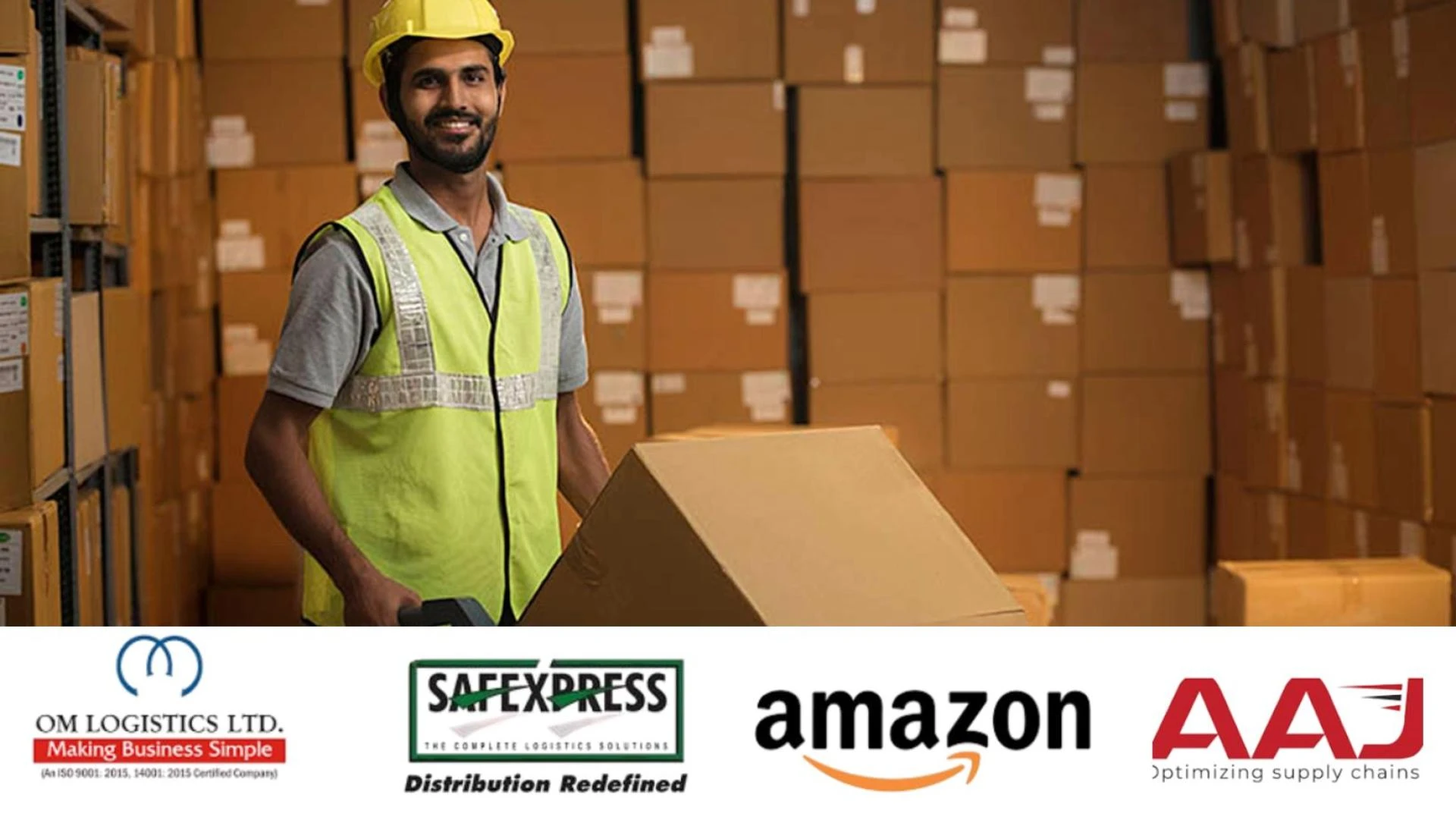
The logistics sector in India is changing dramatically. Small towns and semi-urban areas are becoming more and more important, especially in states like Bihar, Madhya Pradesh (M.P.), and Uttar Pradesh (U.P.), as e-commerce grows, infrastructure advances, and consumer demand expands outside of metropolitan areas. Once viewed as logistical obstacles, these areas are now showing great growth potential for industry leaders like Amazon Warehouse, Aaj Enterprises, Safexpress, and OM Logistics.
Expanding delivery networks is only one aspect of this change; it also offers a substantial economic opportunity, better connectivity, and a bright future for the next generation of workers. Let's examine how these small towns are developing their logistics services and why this industry is expected to grow into one of India's largest job creators.
1. Rising Demand from Rural and Semi-Urban Markets
Consumption is rising in small towns in Bihar, U.P., and M.P. Smartphone use, digital payments, and internet penetration have altered consumer purchasing patterns. Today's consumers demand the same level of ease, speed, and dependability from product delivery as do those in cities.
In response, logistics firms are reaching a wider audience. While OM Logistics and Aaj Enterprises are investing in tier-2 and tier-3 city infrastructure, Safexpress and Amazon are constructing regional distribution centers. For companies competing in the digital age, this guarantees quicker delivery, lower transportation costs, and higher customer satisfaction.
2. Growth of Micro-Warehousing and Local Distribution Hubs
The demand of smaller markets can no longer be satisfied by conventional large-scale warehouses situated close to metro areas. Logistics behemoths are implementing satellite warehouses and micro-fulfillment centers nearer to the clientele to solve last-mile delivery issues.
For example, Amazon can complete orders in even the most remote towns in 24 to 48 hours thanks to its "delivery station" model. In a similar vein, OM Logistics is expanding its supply chain network to include smaller storage facilities, allowing e-commerce sellers and neighborhood retailers to keep goods closer to customers.
In addition to increasing delivery efficiency, this change generates a large number of job opportunities, ranging from packaging and dispatch coordination to warehouse operations and inventory management.
3. Technology: The Backbone of Future Logistics
Small-town logistics are becoming more and more tech-driven. Logistics firms can now function more effectively, even in difficult situations, thanks to automation, route optimization, AI-based demand forecasting, and IoT-enabled tracking.
For instance, Safexpress uses IoT devices to track cargo in real time, while Aaj Enterprises uses data analytics to forecast shipment patterns. In addition to cutting expenses, these innovations guarantee dependability and transparency, two essential elements in establishing credibility in new markets.
The adoption of organized logistics solutions has also been accelerated by the ease with which small retailers and individual sellers can now schedule logistics services, track shipments, and handle returns thanks to mobile-based applications.
4. Skill Development and Local Employment Opportunities
Massive job opportunities are being made possible by the expansion of logistics services into smaller towns. The need for skilled workers is rising quickly due to the expansion of warehouses, distribution hubs, and delivery networks. These professionals include supply chain analysts, warehouse supervisors, logistics coordinators, and delivery executives.
But the logistics sector requires skilled talent, not just labor. Programs for certification and training are essential in this situation.
Consider signing up for specialized logistics and supply chain courses provided by websites such as The Learn Skills if you want to work in this rapidly expanding industry. Their programs are designed to prepare you for employment at top companies like Amazon, Safexpress, and OM Logistics by giving you hands-on experience in warehouse operations, inventory management, transportation planning, and supply chain analytics.
5. Policy Support and Infrastructure Development
India's logistics industry is changing as a result of government programs like Digital India, PM Gati Shakti, and Bharatmala. Businesses are more successfully entering rural and semi-urban areas thanks to improved road connectivity, multimodal transport corridors, and digital logistics platforms.
Additionally, states like Madhya Pradesh and Uttar Pradesh are providing incentives for the establishment of logistics parks and warehouses in smaller towns. These advancements facilitate business operations and provide both consumers and businesses with affordable logistics solutions.
6. Overcoming Challenges in Small-Town Logistics
Even though there are many opportunities, expanding logistics in smaller towns has drawbacks, including inadequate road infrastructure in rural areas, erratic weather patterns, a shortage of skilled labor, and a reliance on cash-on-delivery.
But businesses are surviving by inventing. Logistics companies are overcoming these obstacles and providing better service to remote areas by utilizing hybrid payment methods, weatherproof packaging, crowdsourced delivery models, and collaborations with local business owners.
Conclusion: The Road Ahead
Logistics services in Bihar, M.P., and U.P.'s small towns have a promising future. Businesses like OM Logistics, Aaj Enterprises, Safexpress, and Amazon Warehouse will keep making significant investments in these developing markets as consumer expectations change, digital adoption rises, and infrastructure advances.
This expansion offers a once-in-a-lifetime chance for entrepreneurs and young professionals. Developing the necessary skills now will pave the way for future opportunities, whether your goal is to work for a top logistics company, launch your own delivery company, or join the expanding e-commerce supply chain.
Enroll in The Learn Skills' industry-ready programs to start your journey toward a lucrative logistics career and join the next wave of India's logistics revolution.