
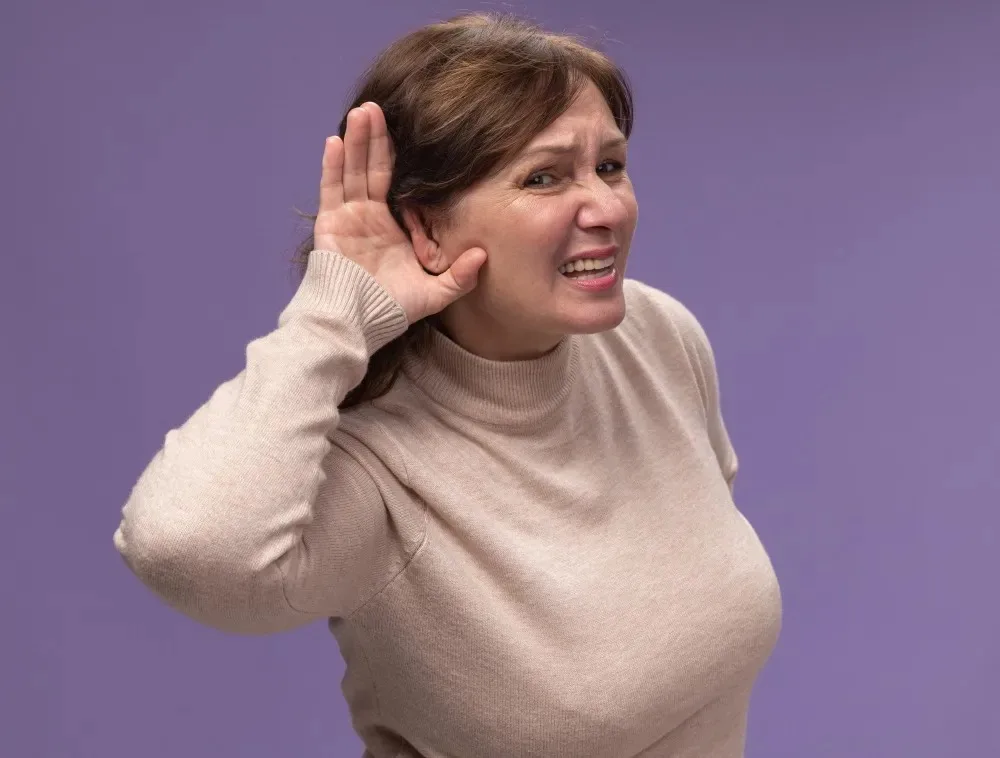
Hearing connects people with conversations, music, surroundings, and everyday experiences. When hearing declines, the impact can extend beyond difficulty understanding speech. Social interaction, confidence, concentration, and overall quality of life may also be affected. While hearing aids and cochlear implants remain important options for many patients, regenerative medicine is exploring whether damaged inner-ear structures could eventually be supported or repaired at a cellular level.
Hearing loss stem cell therapy is an emerging research area focused on understanding whether stem cells or their biological products could contribute to the repair of auditory tissues. Scientists are investigating how different cell types might interact with damaged structures inside the cochlea. The long-term goal is to understand whether biological regeneration could complement existing hearing-care strategies.
Tinnitus presents a different challenge. The perception of ringing, buzzing, humming, or other sounds without an external source can have multiple underlying causes. Researchers are exploring tinnitus stem cell treatment as part of broader investigations into cellular and regenerative approaches. However, tinnitus is complex, and there is currently no universally established stem-cell procedure that can guarantee its elimination.
Another promising research direction involves regenerative treatment for hearing loss. The inner ear contains highly specialized sensory cells that play a critical role in converting sound vibrations into electrical signals for the brain. When these cells are damaged, particularly through aging, excessive noise, certain medications, or other factors, natural replacement is limited. Regenerative medicine research is therefore examining methods that could potentially restore or protect these delicate structures.
Interest is also growing in stem cell therapy for inner ear damage, particularly because conventional treatments generally improve hearing function rather than regenerate destroyed sensory cells. Experimental research is examining several strategies, including cellular transplantation, molecular signals, and approaches designed to encourage surviving cells to repair themselves. These investigations are still developing, and outcomes may vary substantially depending on the cause and extent of hearing damage.
The concept of non surgical hearing restoration treatment is particularly appealing because patients naturally seek alternatives that avoid invasive procedures. Nevertheless, “non-surgical” does not automatically mean risk-free or clinically proven. Individuals considering regenerative therapies should determine whether a proposed treatment has undergone appropriate clinical testing and whether it is approved or being offered as part of a legitimate research study.
A responsible approach to hearing care begins with identifying the underlying cause of hearing difficulties. Audiological testing, medical evaluation, and appropriate imaging or examinations can help specialists understand whether the problem involves the outer ear, middle ear, inner ear, auditory nerve, or another part of the hearing pathway.
Regenerative medicine could eventually broaden the possibilities for people with hearing disorders, but scientific progress takes time. For now, established hearing assessments, hearing aids, cochlear implants when appropriate, tinnitus management, and preventive hearing care remain important. Anyone considering experimental cellular treatment should discuss the potential benefits, uncertainties, costs, and risks with a qualified hearing or medical specialist before making a decision.
Explore the complete guide at- https://ehtanseoservices.wordpress.com/2026/09/02/the-future-of-inner-ear-recovery/